First I’m going to say that most people underestimate the amount of sound that gets transmitted through the cabinet walls. It’s an eye opening experience if you cover the drivers andlisten to the cabinet.
Second, I’m recommending 1/4" recycled tire rubber sheeting between layers. Also I would use a mdf, rubber, baltic birch layering to further control sound/vibration transfer.
4 Likes
Hi Nick, got any link for the recycled rubber? What glue for sandwiching the sheets?
Ani, I get it from Home Depot. Just search for recycled rubber flooring there. When using it between layers foam board adhesive works well, it comes in caulk tubes, but I spread it with a notched tile trowel. If you just want to glue it to the inside, urethane caulk works well.
3 Likes
I am loving the feedback. Alot to think about.
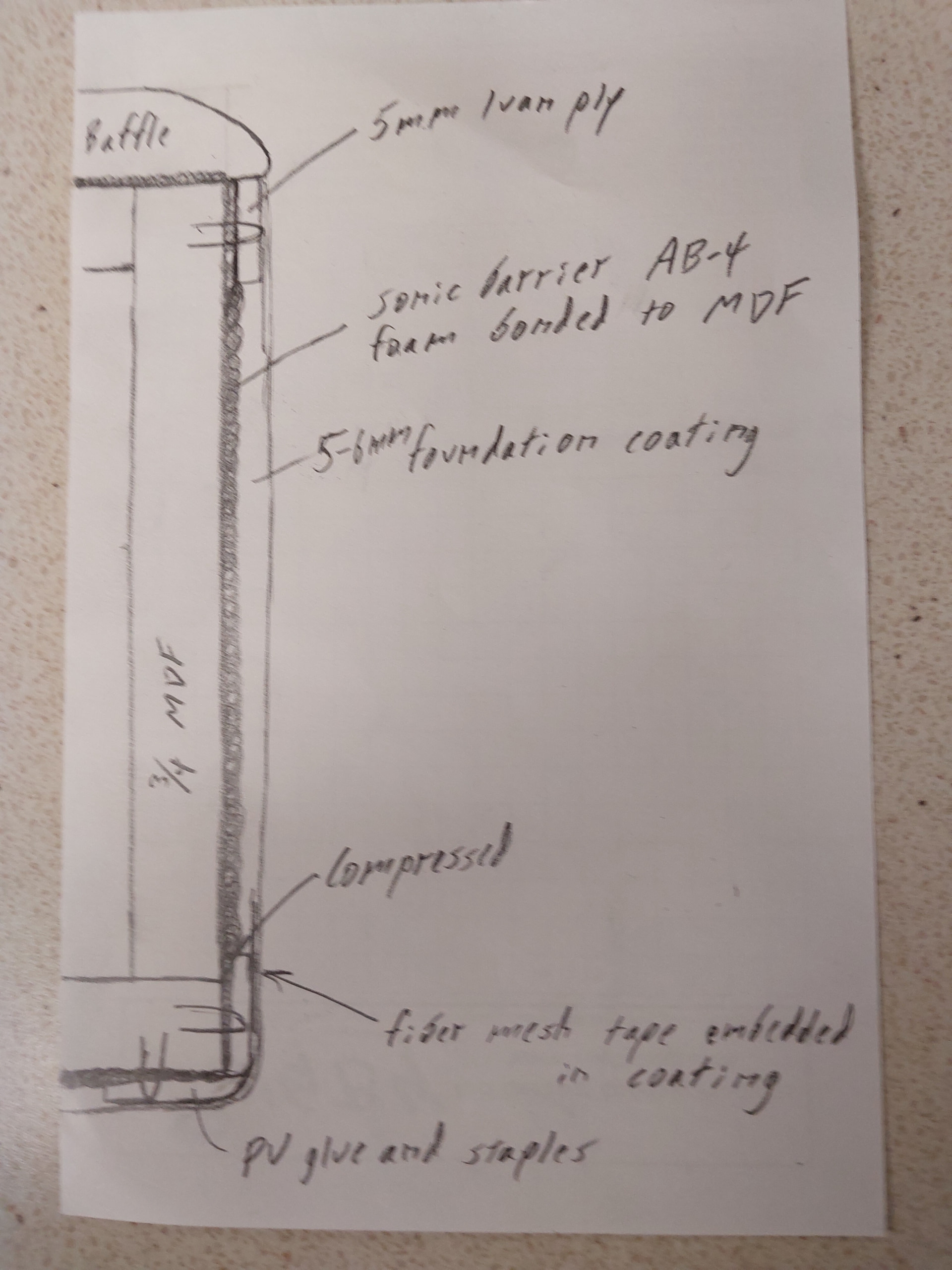
Hi Drew - don’t know how long you have been in the scene.
Some years ago on PE Techtalk, a master wood guy Dave Pellegrene, spent some months doing various laminations that he then cut into the carcass walls and such. IIRC, he said that you could make a “dead” light laminated board, but it was a lot of work.
1 Like
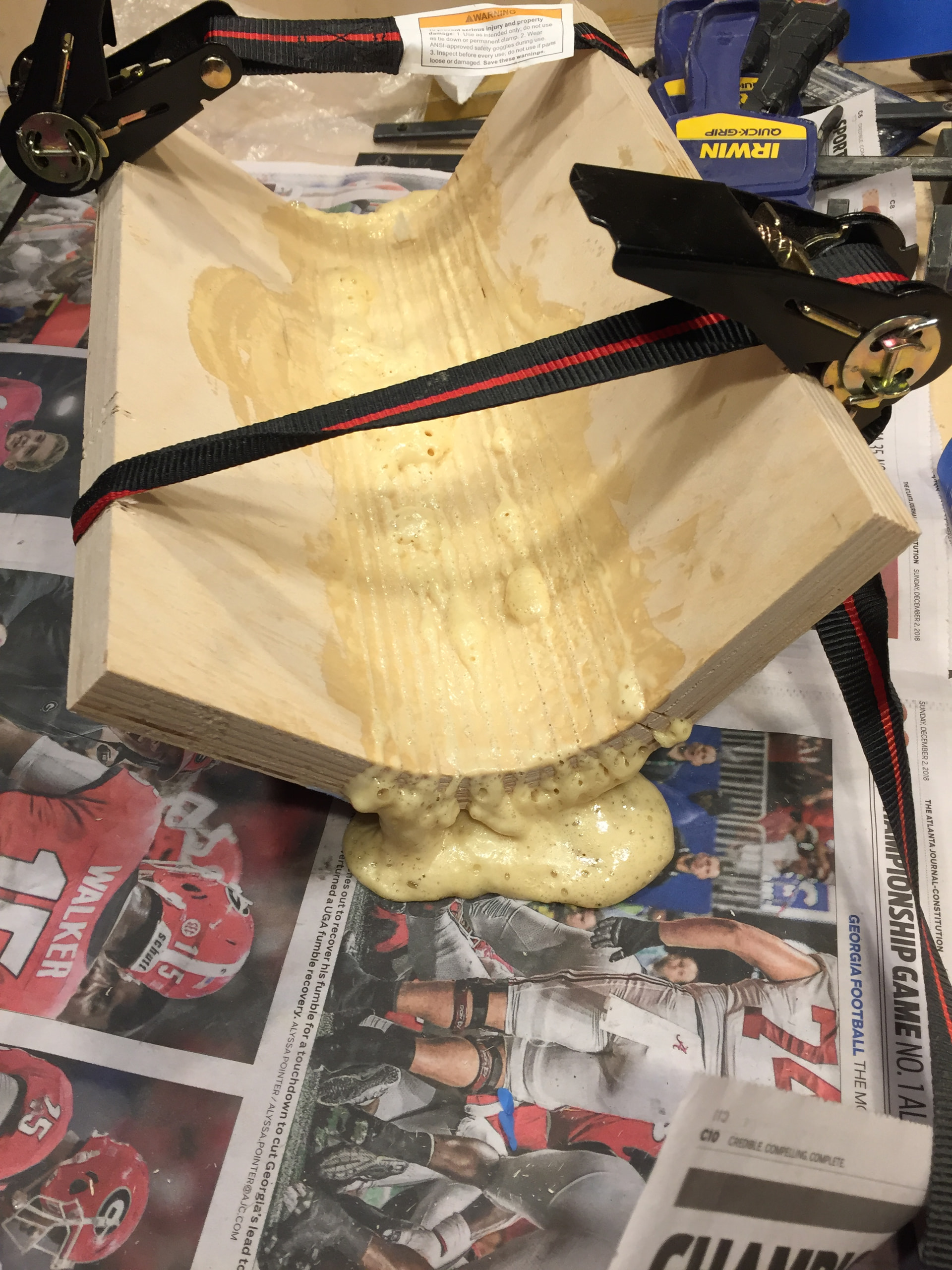
I made a curved cabinet out of 6 layers of 1/8” Baltic Birch plywood using Gorilla Glue between layers. Gorilla Glue is pretty weird stuff, it expands a LOT and cures as almost a soft styrofoam. I would consider mixing this up some 1/8” tempered hardboard (Masonite) and Loctite PL Roof Flashing (flexible construction adhesive).
1 Like
I would agree that at a particular curing stage, Gorilla Glue is like styrofoam. But when it cures completely, it holds wood like a mutha.
I used Gorilla Glue for this kerfed build. Very strong and dead.
2 Likes
So many options!
Much less than you think.
First principles.
If you want a true constrained layer you need rigid glues. Polyurethane liquid will give you a fairly rigid glue bond. Your familiarity with Fibreglass is a polyester glue bond. More rigid.
The posters have described mass loading, and compliant layer bonding.
Again if you have fiberglass experience you may have vacuum forming experience, that is the best way to bond layers. uniform pressure and as high as you wish. For boxes I generally never go above 15 inches of Hg.
There are other ways. You do not need battleship thickness if you do proper layer constraint.
And finally all this is for naught if you don’t use effective acoustical damping of the interior.
A few things to ponder.
1 Like
Thank you for the added info. I am still debating on how to do the panels but have a better idea than before. Still have some time until the weather decides to get nice enough to do this.
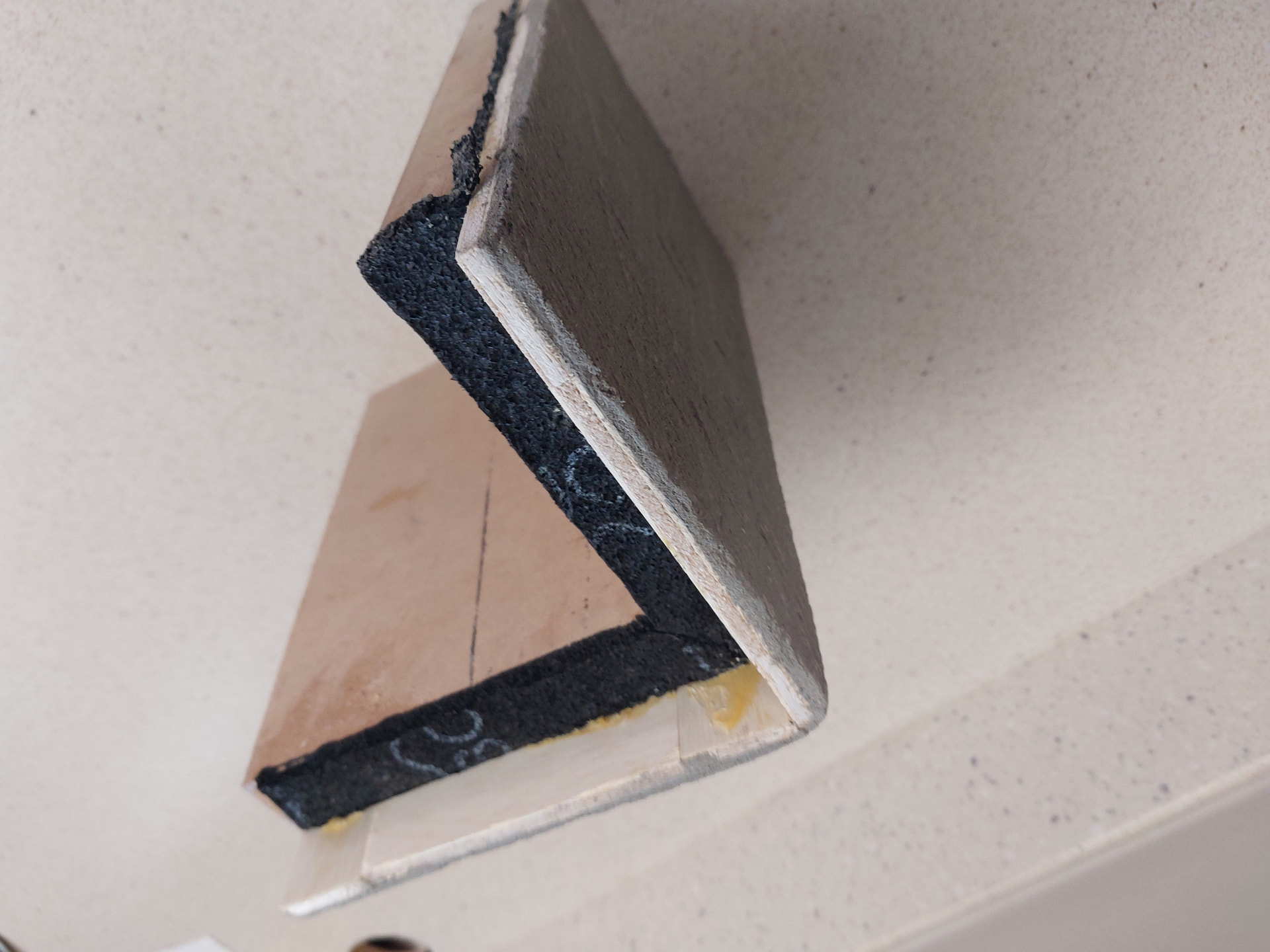
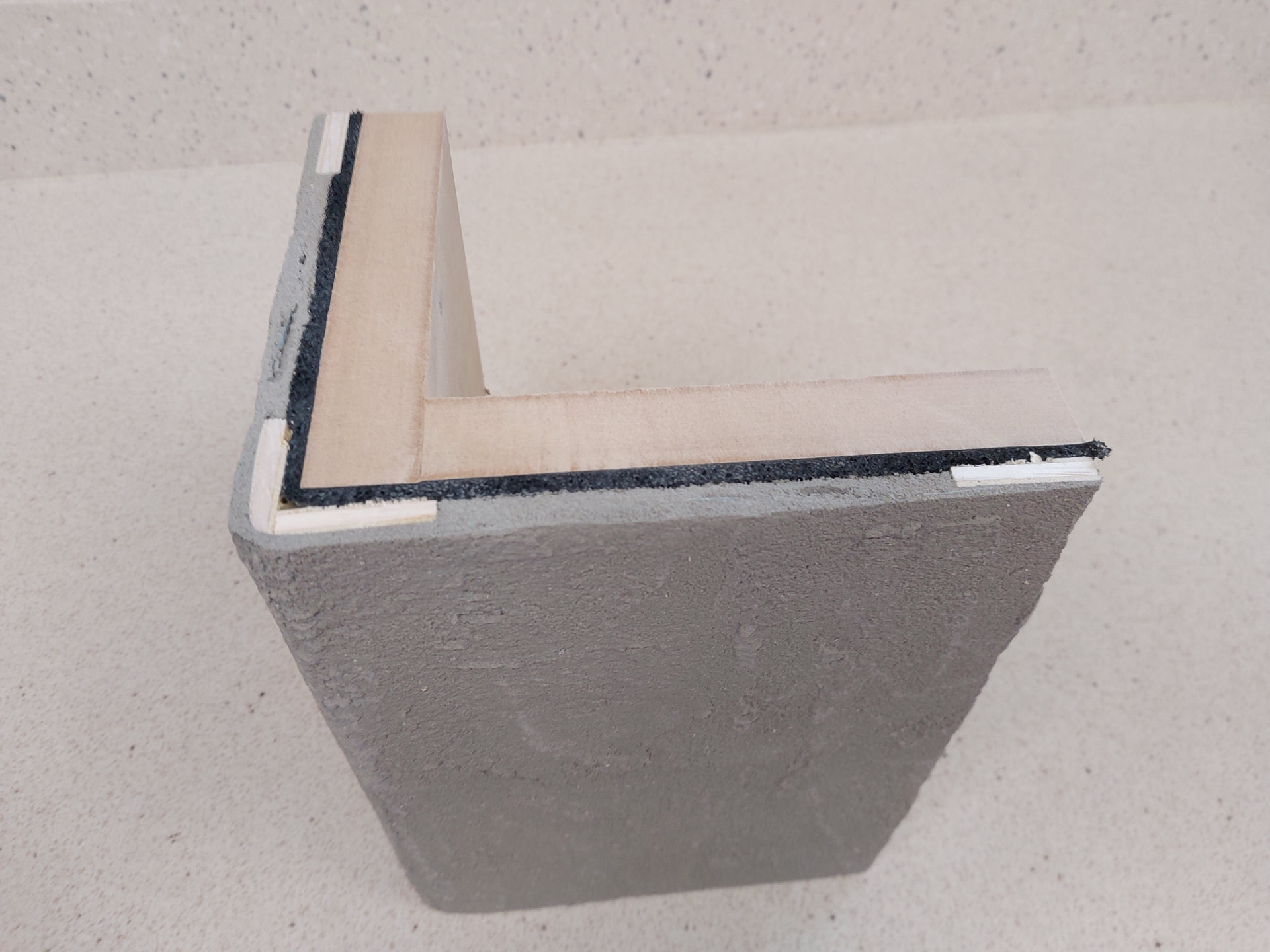
I decided to make a small mock-up of my constrained layer Idea. The first picture is what would be the underside, designed to accept a removeable bottom panel.
2 Likes
What did you use in your layers?