Haven’t seen the specs yet but this is looking pretty good to me . . .
It uses two different DSP processors and here are the comparisons:
The ADSP-21479 is a high-performance SHARC processor featuring 32-bit floating-point capabilities and 266 MHz speed, designed for complex, low-power applications like automotive audio and industrial control. In contrast, the ADAU1701 is a lower-cost SigmaDSP chip that integrates ADCs, DACs, and a DSP core, primarily targeted at simpler, stand-alone audio processing tasks.
Programming and configuration differ significantly between the two: ADSP-21479 typically requires C/C++ development using VisualDSP, whereas ADAU1701 is programmed via the graphical SigmaStudio tool, allowing for drag-and-drop filter design without low-level coding. While SigmaStudio supports SHARC processors, its functionality for SHARC is a newer addition and is less mature than its native support for SigmaDSP chips like the ADAU1701.
-
Performance: ADSP-21479 offers significantly higher processing power (1596 MFLOPs) compared to the ADAU1701, making it suitable for heavy algorithmic loads.
-
Ease of Use: ADAU1701 is preferred for rapid prototyping and simple audio chains due to its graphical SigmaStudio interface and integrated audio peripherals.
-
Flexibility: ADSP-21479 provides greater flexibility for custom firmware and complex signal processing but demands advanced programming skills in C and assembly.

This looks similar to some of the car DSP boxes I’ve seen on Amazon.
No mention of SigmaStudio or Biquad support. Not sure I trust it after the problems with their DSP-408 units, but if it was half that price I would be pulling the trigger.
Looking through the manual, I think the ADAU1701 is just for the SuperBass & DynamicBass. That makes sense since that chip doesn’t have enough memory to support 8 outs and all the other features.
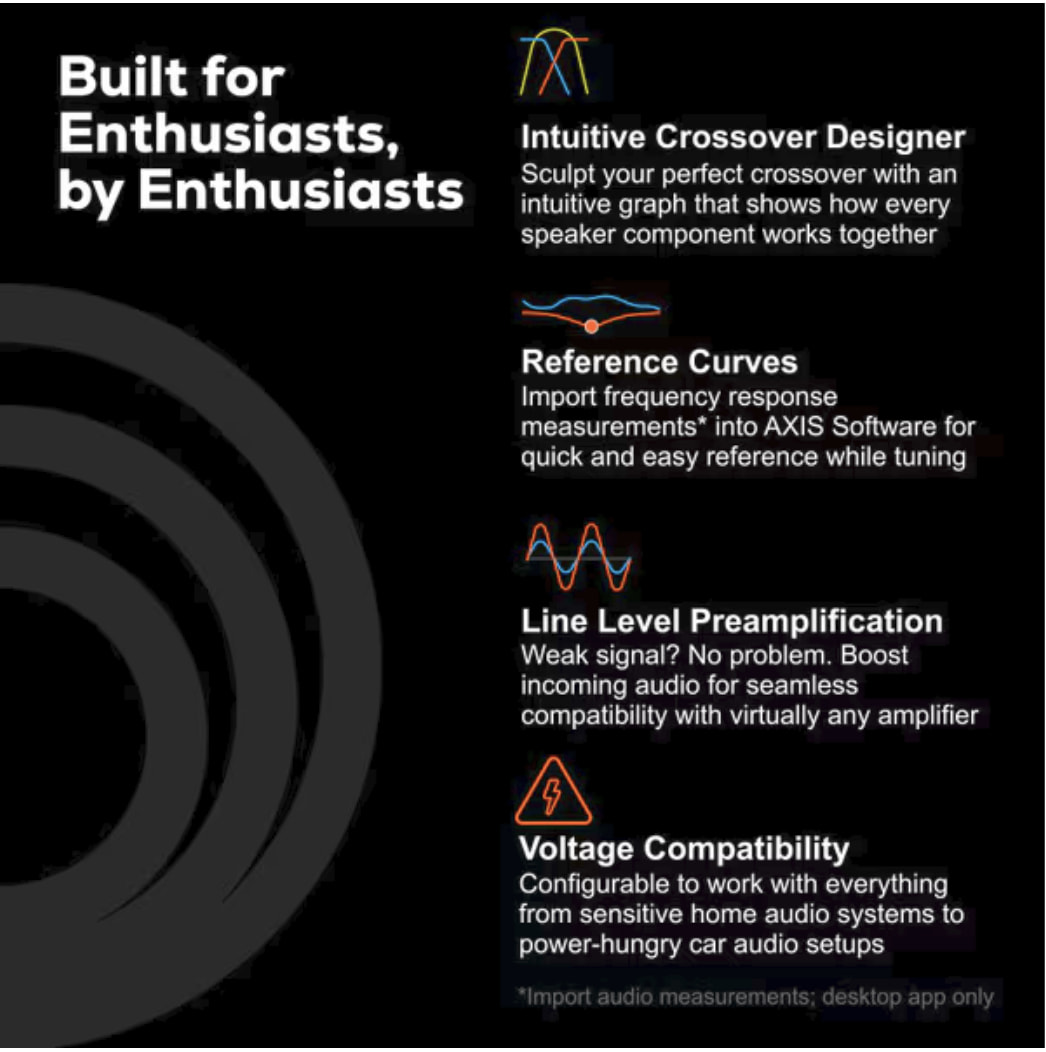
There is a mention of being able to import measurements (target curves) into the desktop software. There’s no mention of this in the manual, which only covers the hardware.
Was not a fan of the dsp-408 after two bricked units and the audible noise on the one that did work. Maybe ok in an automotive environment, but not on a main home system.
I remember that. That’s exactly why I’m waiting to see how the early adopters fare with this one.
2 Likes
Yeah, no one liked the DSP-408, Seems like PE is really focusing on Auto sound systems
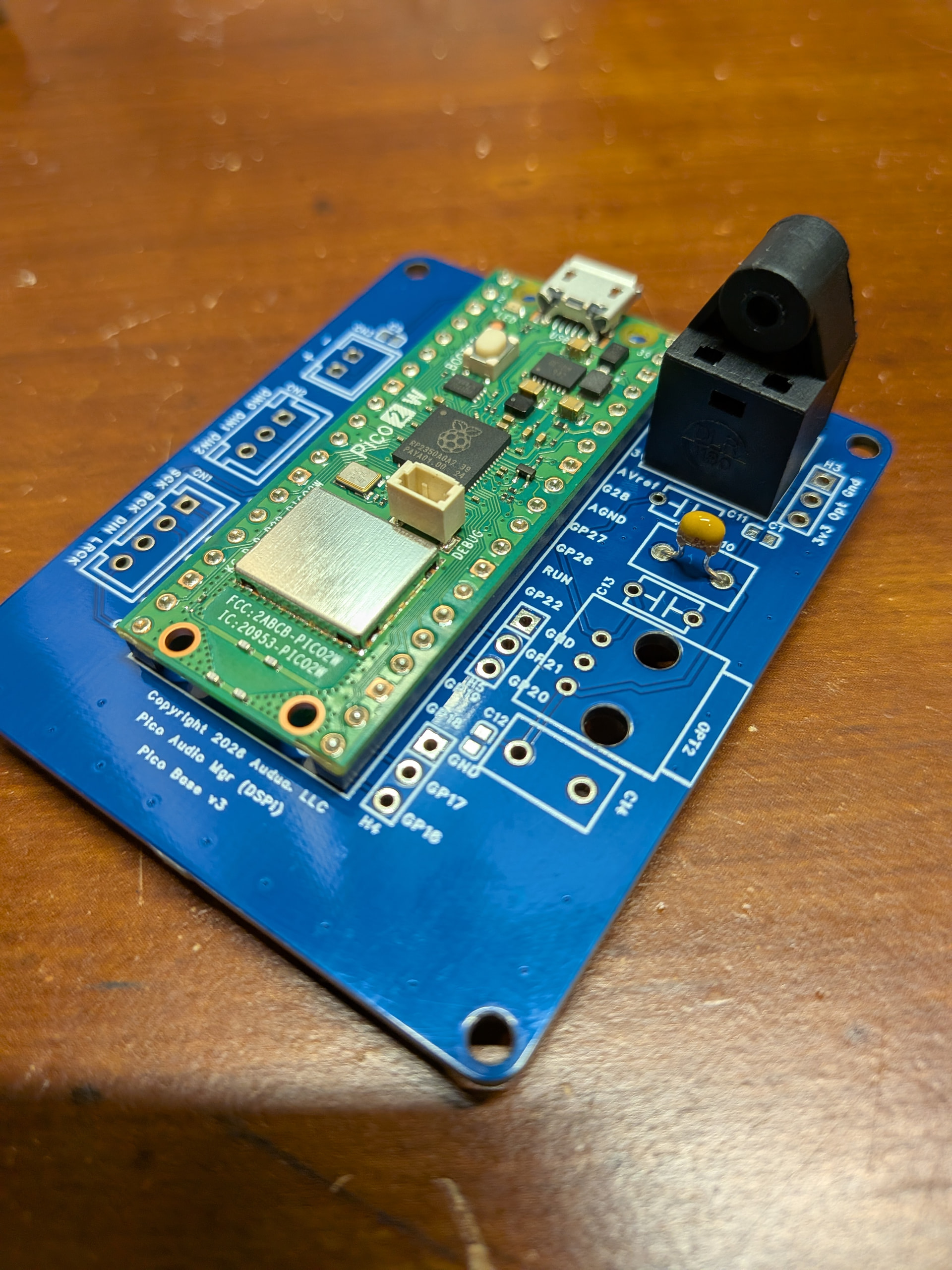
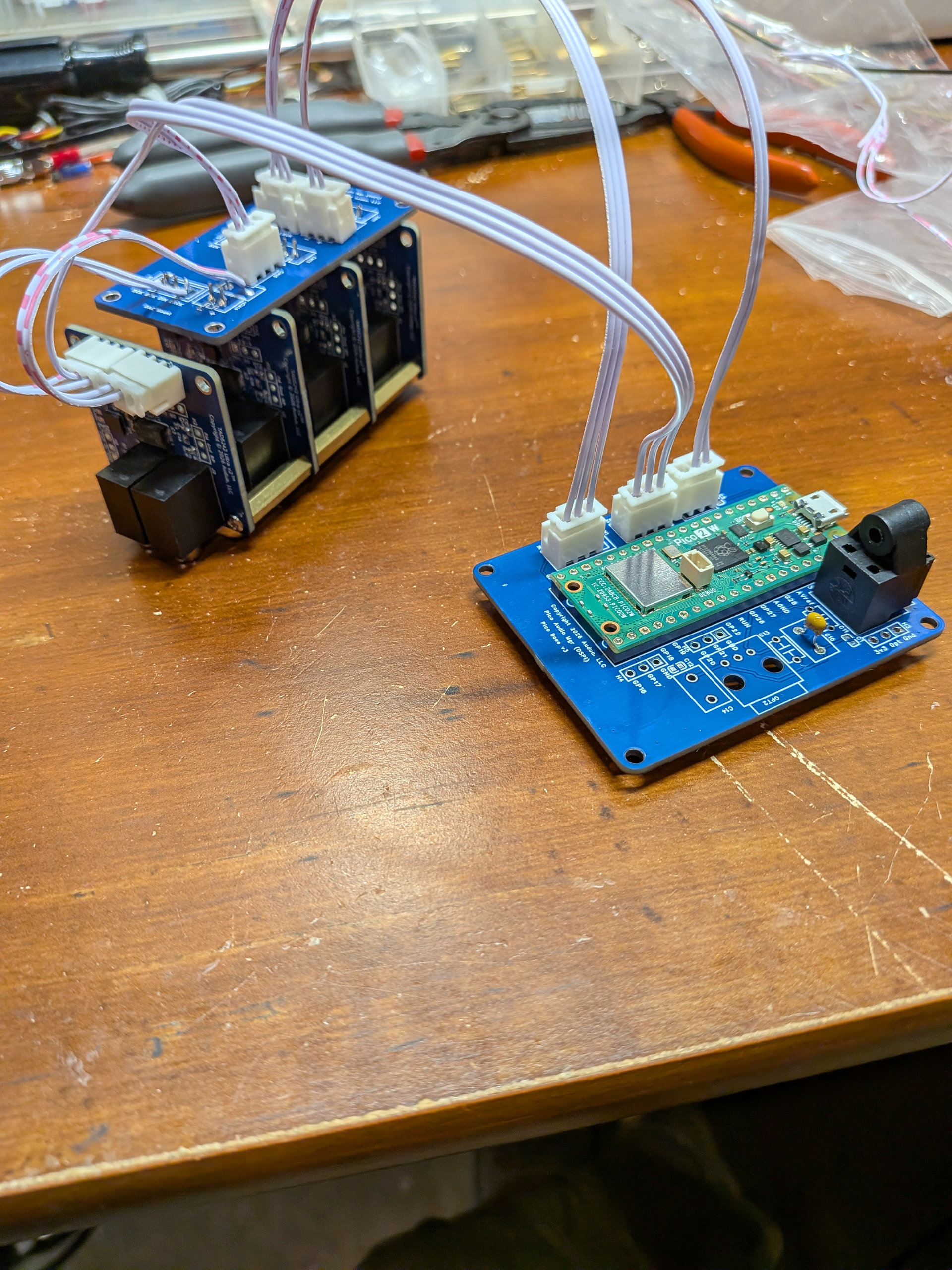
I too had a DSP-408 that I was not overly impressed with when I got started with DSP. I quickly moved to CamillaDSP and have utilized it in several set ups over the years including the audio rack I installed in the new house. It’s described in my Quarters build (page 4). While I really enjoyed the web interface of CamillaDSP, the setup and configuration was more involved that many would like. I also found myself having to reboot the pi when it didn’t play music after a period of inactivity. To top it off, CamillaDSP doesn’t have an Asynchronous Sample Rate Converter (ASRC), so I had to set the Wiim at a fixed bitrate. I bring all this up because I’m now utilizing DSPi. Instead of a software based system comprised of a digital capture device, Raspberry Pi 5, and a Hifiberry Dac8x (8 channels) that will set you back a few hundred dollars while also requiring some linux/pi and networking knowledge…I now have a $7 microcontroller that I flash a firmware to and control via USB with a much better UI. It accepts USB, i2s, and digital audio in and provides multi channel digital or i2s out. No SD card flashing, linux commands, or networking needed, but some soldering skills are needed to add the input and output interfaces. For those with several Dacs on hand, configured with toslink input and outputs, it’s more or less a miniDSP miniDIGI. I added a toslink input for the Wiim Pro and 4 balanced i2s TAD5242 dacs and I have yet to have stability problems like that of CamillaDSP. Troy the developer has been working at a ludicrous pace adding all kinds of features. I can’t recommend enough that you check out the full DSPi thread on ASR: Introducing DSPi | A powerful, user friendly and open source DSP for less than a cup of coffee | Audio Science Review (ASR) Forum .
I’m happy to answer questions you may have.
Nate
6 Likes