And unlike most of the scratched up LPs from Goodwill, this one is in really good condition.
2 Likes
Decided to spend a few bucks on my old truck, so I bought a Jeg’s carburetor and new fuel filters - 20 micron.
Here is the poop… I have never been able to get it to come out of idle quickly without it falling on its face. Well, fast-forward to a couple years ago I discovered the tank, pickup, and sending unit were all rusted out. I drained the gas, filtered it through cheese cloth, replaced tank and innards and put the gas back in. Turns out that was a mistake, because the carb that was on there exhibits the same symptoms.
The fuel filter I currently have is only a 100 micron, so I’m hoping whatever is left gets caught in the new filter. I plan on running it dry, swapping the carb out with the Jeg’s model, and throwing a few gallons of premium at it. Hopefully this solves my WOT issue.
FWIW, if I ease out of idle and get some momentum it does just fine stabbing the pedal. It is only when I stab it coming out of idle that it stalls. What sucks is, my cheap starter suffers heat soak from the headers and if I kill it, I can be stuck for half hour or so. I wrapped said starter in a heat shield but didn’t seem to help much. It generates lots of power, gets squirrelly as a matter of fact so I want to be able to stab that pedal and lay rubber lol.
I am thinking one of those gear reduction starters might be the fix, I really do not want to wrap the ceramic coated headers, they are too pretty. Also needs a battery. Rear end started making some minor noise and there is a transmission leak I have not looked into yet. Freshly rebuilt TH-350, so I am surprised it sprung a leak. Rear end I planned on rebuilding/re-gearing anyways. Currently has 3.08 ratio in it, I can step up to 3.42 without changing the carrier so will likely go that route. If I figure out the idle to WOT issue and couple that with the 3.42 gears I should be able to smoke the tired pretty good. The only thing factory is the block and the crank.
1 Like
Back in the day…hesitation on acceleration was often cured with a new accelerator pump in the carb. I don’t know what you are working with, but since you have a new Jegs carb (whatever that is) the pump shouldn’t be bad.
Timing seem ok on that ol girl JR ?
Timing is nuts on, so is idle air mixture.
I’ve always had to set the base timing just a few degrees advanced in order for the engine to perform at its most responsive but that was an L6 chevy engine not a V8.
As mentioned by Marvin - the baffle in the accelerator pump in the carb tank bowl is suspect - parts are easily replaceable.
Need to flush the jets or replace them as well but since you have replaced the whole carb it shouldn’t be an issue.
Are you sticking with Non-ethanol fuel or trying to use E85?
Ethanol will destroy the non-metallic components of the older fuel systems and those original accelerator pump baffles were made of rubber or leather.
Some areas put ethanol in every grade of gas. If you are in a region that does, and the vehicle sets for extended periods of time, that small amount of ethanol turns into, what I can best describe as frog snot. Normal carb cleaner has a tough time cutting the stuff. The best carb cleaner I’ve found for cutting the frog snot was the cheapest spray can autozone had, and it wasn’t great at cutting it, just better than the other stuff. If it sets long enough after turning to frog snot, it can actually start etching the carb. Somewhere around here I have an old mikuni carb with a bowl that was heavily etched from the snot.
After watching Antiques Roadshow a while back I got curious about a poster I bough in the early 80’s that resides in my listening room.
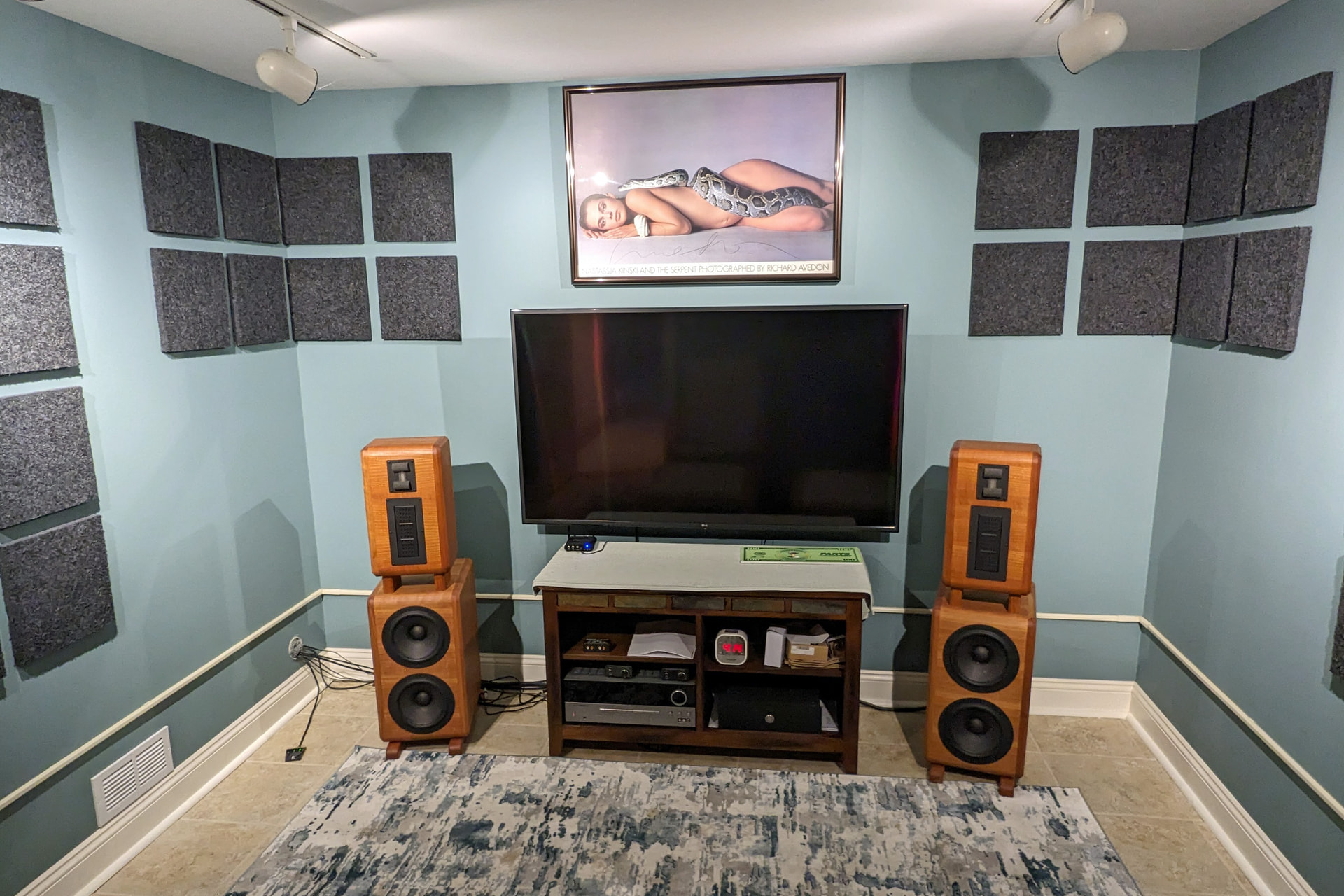
It’s a poster titled Nastassja Kinski and the Serpent with Richard Avadon’s signature. An unsigned poster recently sold for $395 on Ebay and this is what Goggle AI says about a signed copies value.
“A signed Richard Avedon “Nastassja Kinski and the Serpent” poster (1981) is generally worth between $200 and $900+, depending on the framing and authenticity of the signature. Hand-signed original posters, particularly those with a verified Richard Avedon signature, can reach higher prices (up to $2,500 for framed examples) at specialized auctions and galleries.”
4 Likes
If I remember my school chemistry, ethanol absorbs water, which probably contributes to the ‘frog snot’. We don’t use E10 in our MX-5 (Miata) as it’s known to adversely affect the fuel pump and lines.
Our new Lexus UX - when we get it - has to use 95 octane, which doesn’t contain ethanol.
1 Like
For decades 93 octane was only 20 cents/gal more expensive than 87 in Ohio. Then something happened within the last 10 years and it is $1+ more per gallon.
That was one reason I was OK buying a forced induction car back in the late '00s. Sure gas was near $4/gal, so what is another 20cents?
I totally remember when each upgrade in octane was 10¢ more 87,89,93. I’m sure Mr gas was like wait… I can make way more money… for doing nothing???
2 Likes
… and when alcohol absorbs water, it generally turns acidic, hence why it tends to etch carb bowls. At least motorcycle carbs, but IIRC, mikuni may have some magnesium in those old carb bowls that may, or may not be more susceptible to etching.
Funny thing, when doing a lot of data logging of the old sti, I could see timing increase when adding incremental amounts of ethanol to the fuel, until injector duty cycle got too high. If you run anything forced induction, give e85 a try. It works!
1 Like
I changed up my Mustang from running VP C16 (leaded 116 octane race fuel / $16 per gallon) to E85 pump gas. Everything you said is correct. The ethanol wants to absorb any water from anywhere. No big deal for a daily driver that goes through a few tanks of it a month. Race cars… not so great. So I started a procedure in the fall where I run the Mustang out of the E85 and put a couple gallons of 93 with an oz of Stabil in there and let it cough and choke for a few minutes. So far so good.
2 Likes
A bloke I used to work for used 130 octane AVGAS in his Ford Escort BDA twin cam rally car, great power but very short engine life!
1 Like
I was told years ago aviation fuel was only 109 octane.
In the 1940s there was 130 octane AVGAS, I’m not sure where my friend got it from and of course he could have been exaggerating. It was the early 70s so there may have been some sort of octane boost additive around? His engines only lasted about 1,000 miles.
1 Like
Around here it’s 100octane low lead formula.
Yeah, just did a Google search, seems like 100 is the norm now.
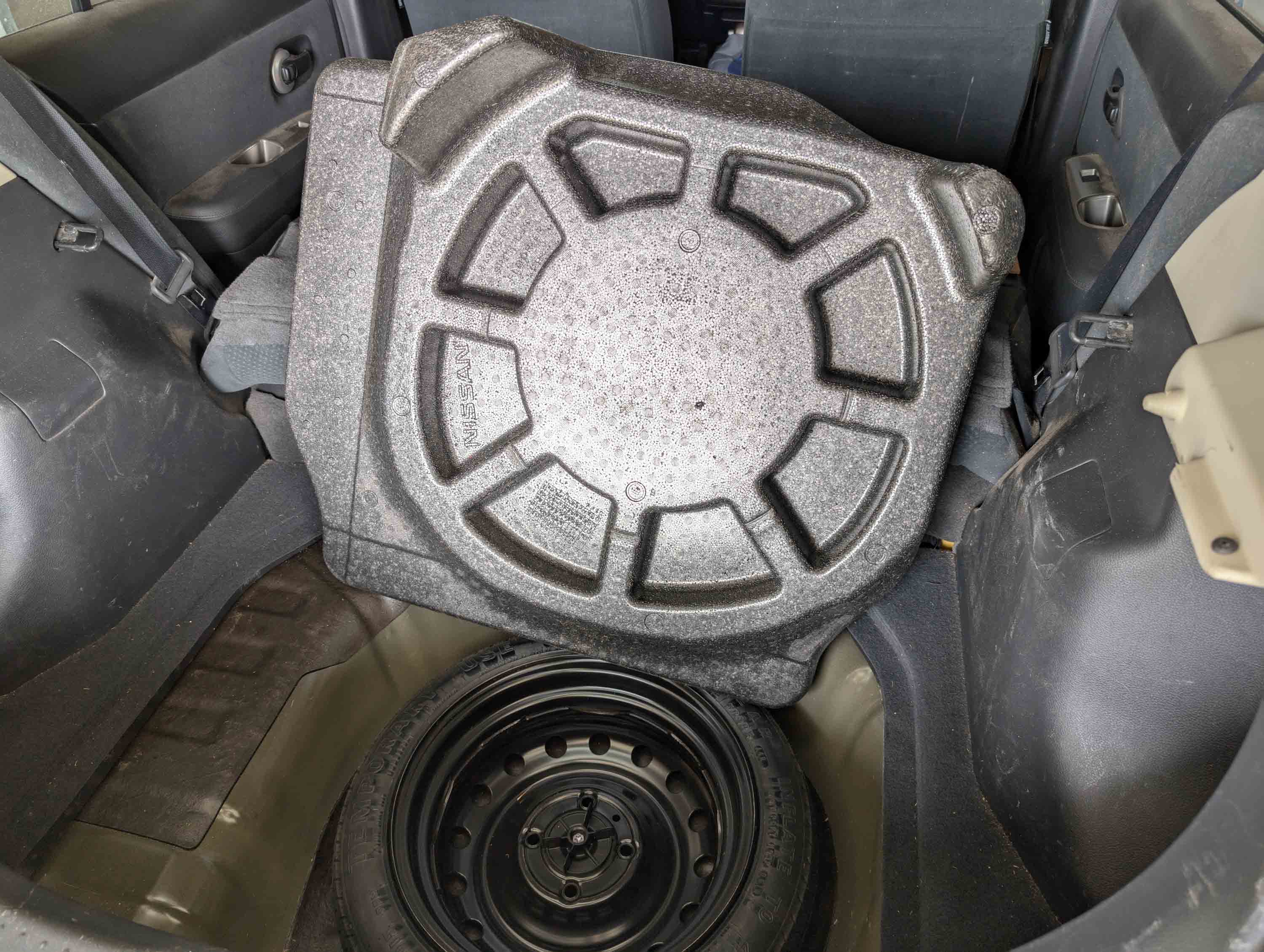
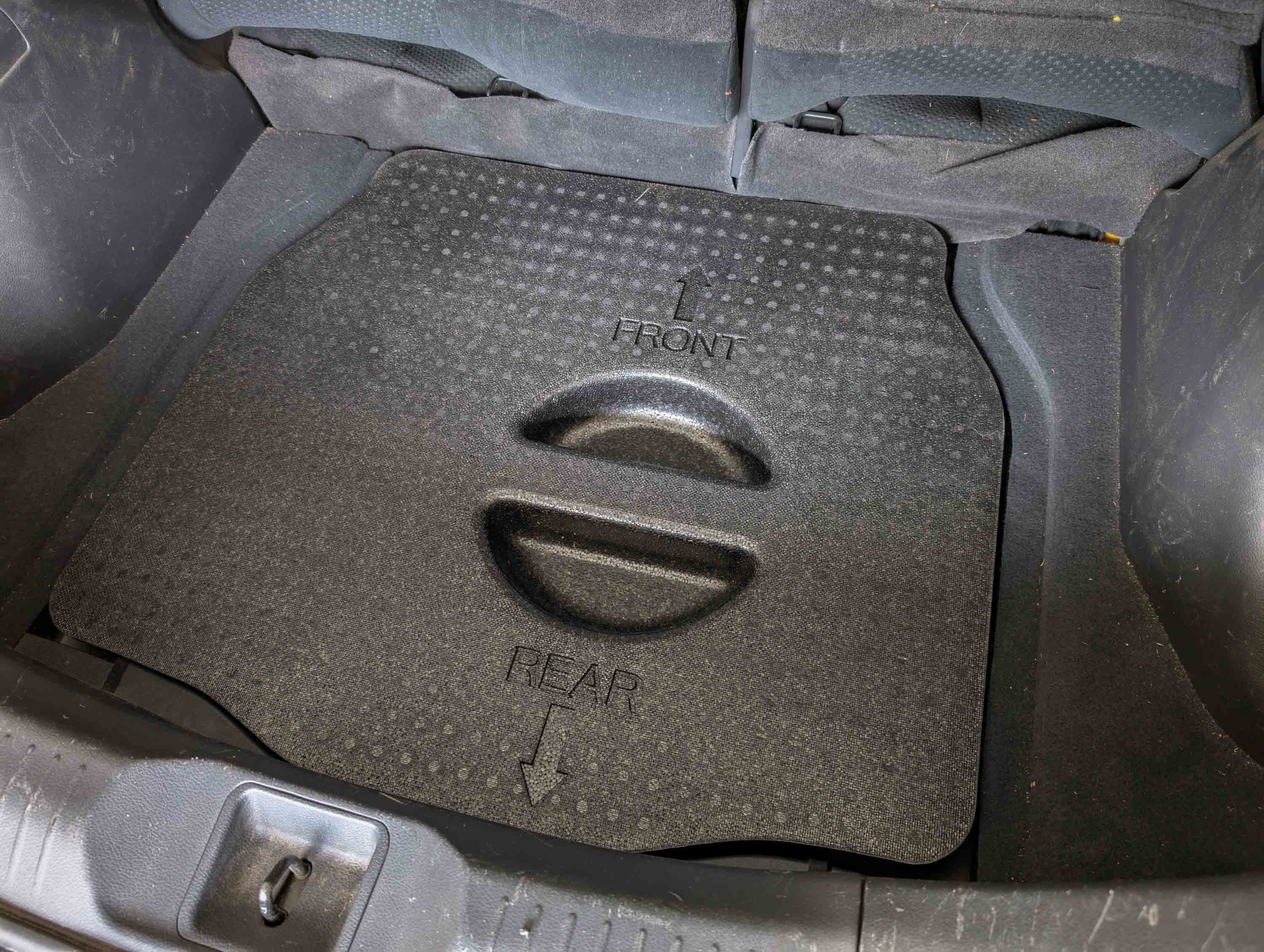
Replaced the space saver in my Versa with a full sized spare. Fits in like a glove, with lots of room for the jack and lug wrench as well. With the space saver installed, the dead space was filled in with a gigantic styro filler plug, so I replaced this plug with a thin board as a filler. I can’t figure out why they would stamp the body this big when using a space saver? Makes no sense to me.
Space saver:
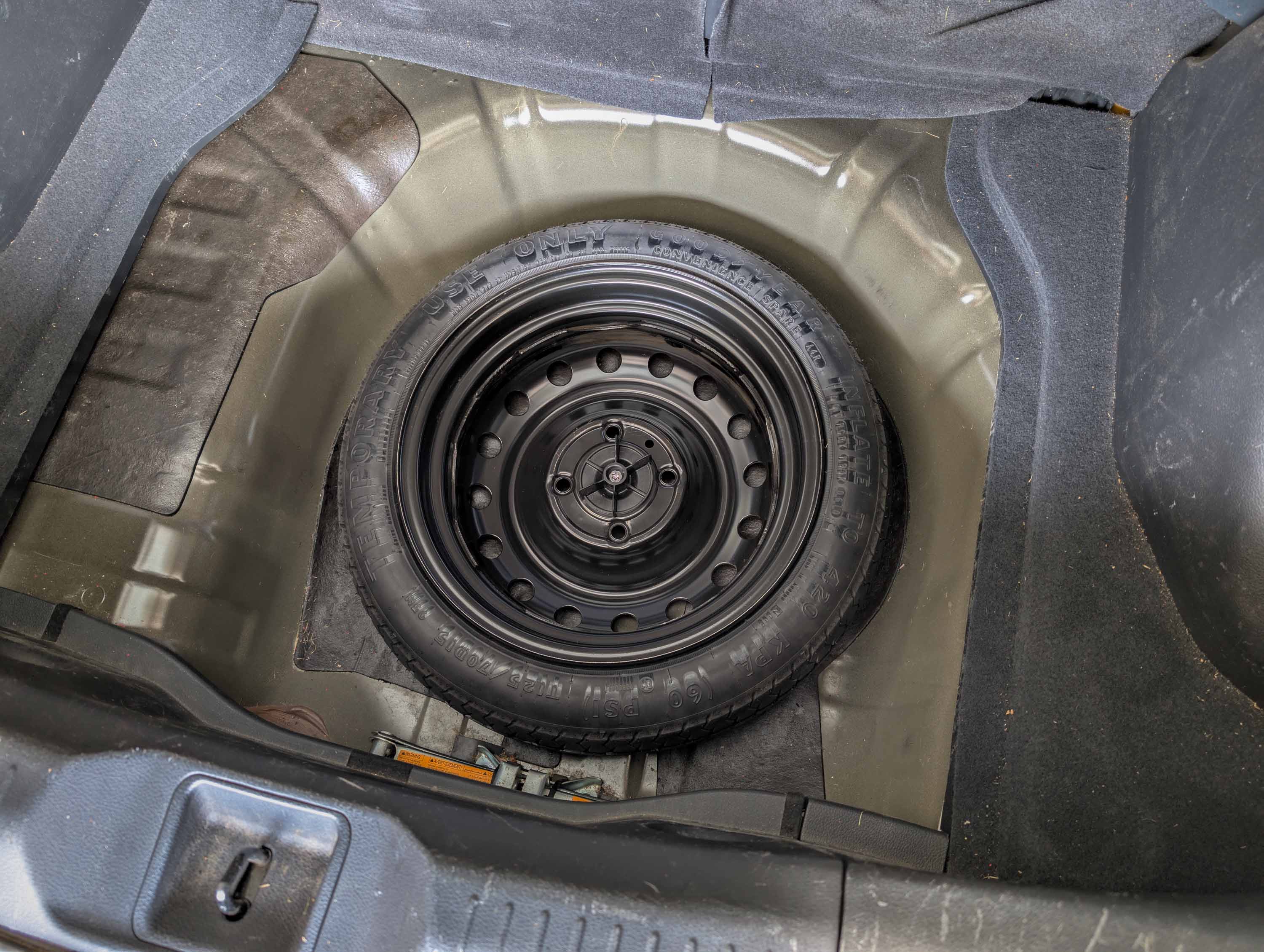
Full sized spare tire:
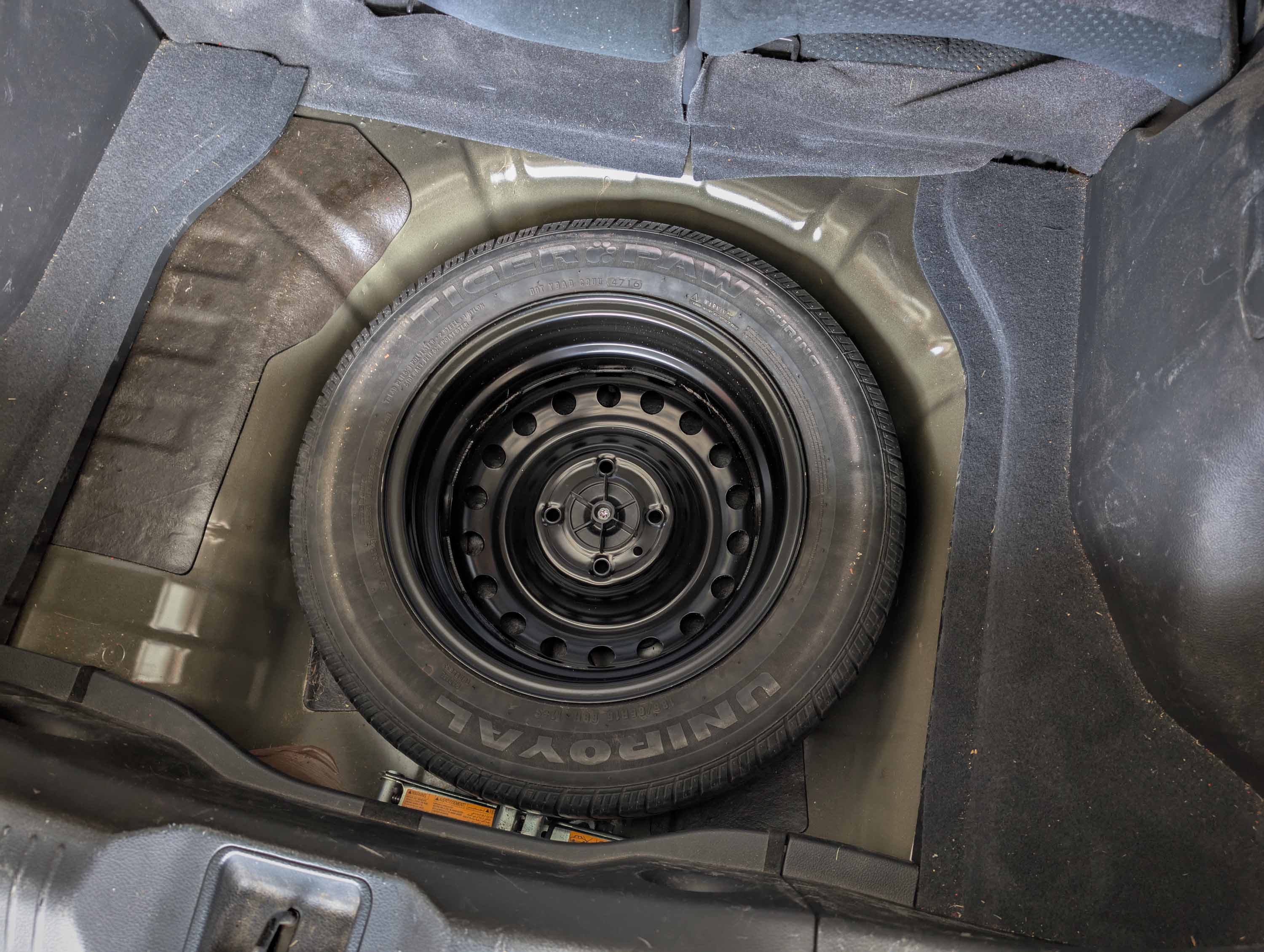
Gigantic Styro plug: