So, I’ve gone on a bit of a housing journey the last two years. The place we were renting was taken for eminent domain reasons. Not for space bypasses sadly, but for a roundabout. We downsized as much as we could and everything else went in storage while we rented something small and threw ourselves into the housing market. We’re moved into our new house, and there’s LOTS to do. In a good way, with millwork and cabinetry.
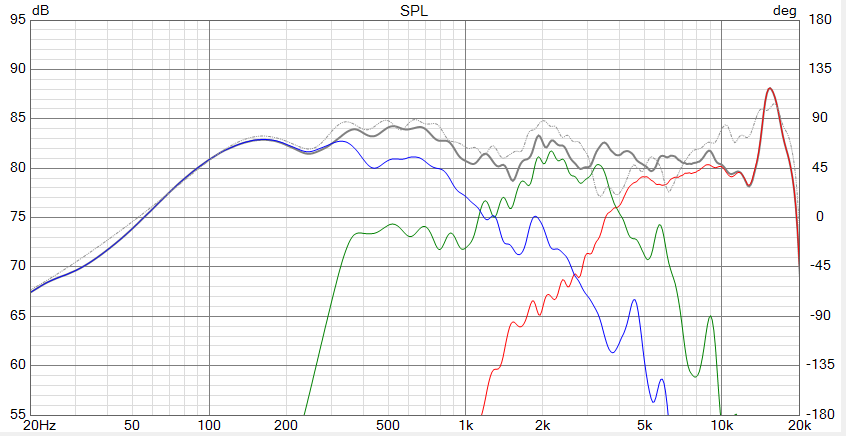
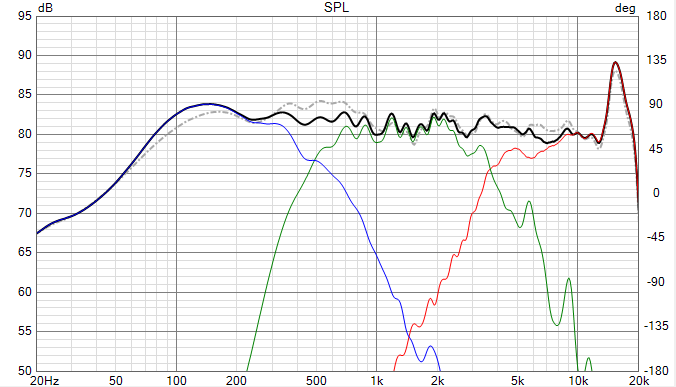
But now it’s time for tunes, and so out come my wife’s trusty JBL L96. They may fit the aesthetic of that room and are period for the rest of my gear. So I’m giving them an overhaul. Bypassing the L-Pads at the very least, and quite possibly whole new crossovers. Generous cab buffing. And fixing the tweeters.
Something didn’t sound right with one of them. I had always blamed the L-Pads being dumb, but I came to learn that the little foam pad that sits behind the dome is urethane, and we know how that gets with time. It sloughs off little bits of itself that get into the VC gap. Maybe this is it.
So I purchased an aftermarket kit that replaces the foam with felt.
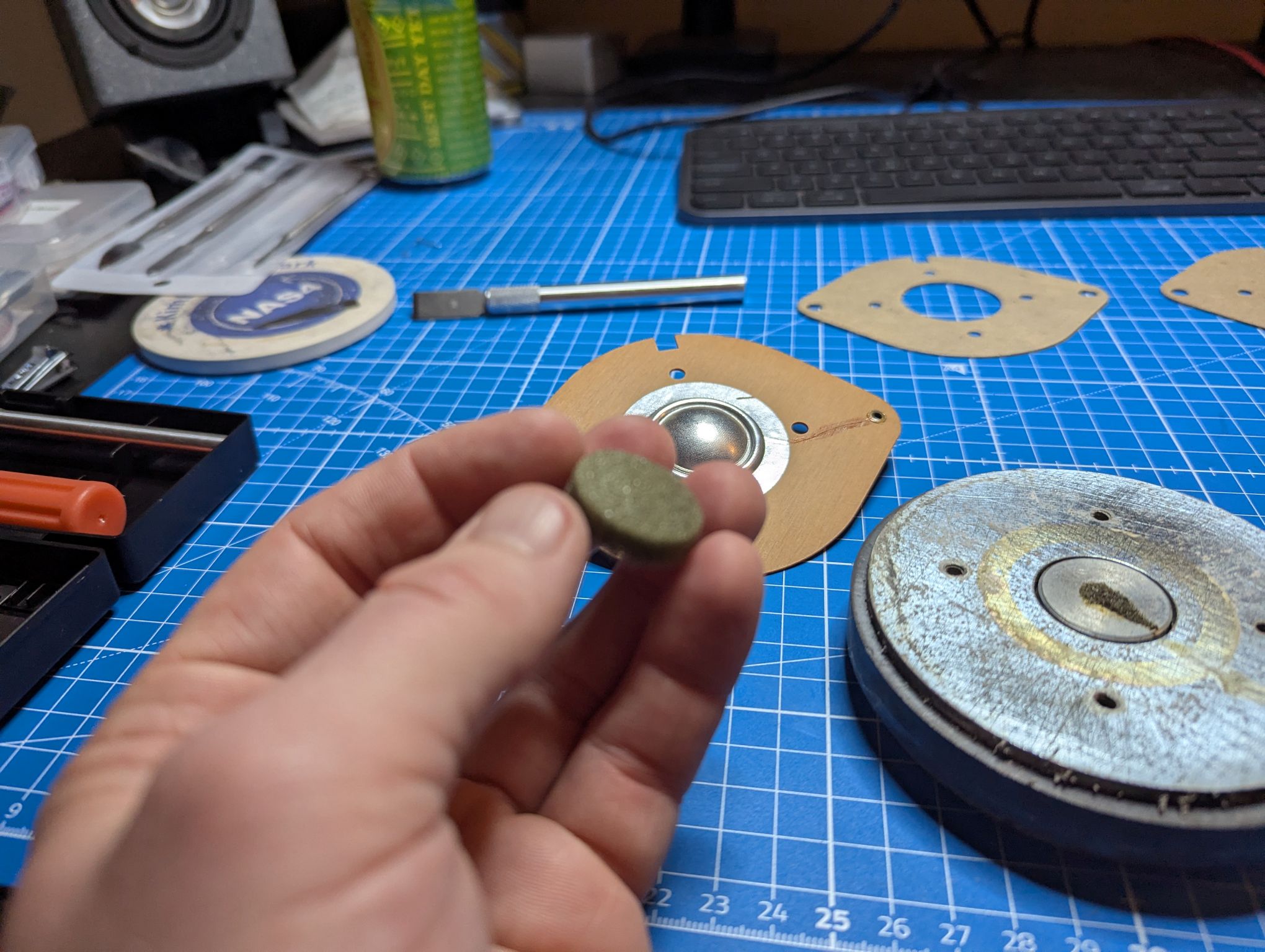

Trying to separate the dome’s thin bakelite board from the magnet was harrowing. I had no clue how much force was OK and how much was not OK. But I managed not to screw things up. Cleaned some oxide whiskers out of one of the tweeters and shot them both with compressed air. Put on the felt pads and started buttoning things up.
There’s a lot of slop to the mounting holes in this assembly. But the DATS turned out to be super useful in getting the voice coil aligned. I just adjusted the placement until I got the best possible curve. Here’s the overlay of the two tweeters. There’s still something “not great” about one of them. We’ll see what the other measurements look like.

PS: Can anybody out there recommend a good tool demagnetizer?