I just spent the last 10 days in a fever dream doing coding in python and C++ while I repeatedly goosed AI for help, and now…
I NEED TO TEST THE SOFTWARE AND NEED YOUR HELP
So, what does it do? In the past I used ARTA to obtain measurements on my loudspeakers. ARTA was not really designed for loudspeaker measurements per se but it does a very good job at making them. Unfortunately it is no longer supported. I recently needed to make multiple repeated measurement runs in a large space, and found that the room echo/reverberation was not easy to circumvent using ARTA. I started to think about writing my own code, and then a fantastic opportunity arose: my wife left on a 1-week vacation! So I brewed a lot of coffee, spun up some AI models and started to chat with them. Now I have some cool tools that I am starting to test, and need a few good men to help me with this effort. This is and will always be open source freeware, so the feedback you can give me now will make these tools better for everyone.
OVERVIEW:
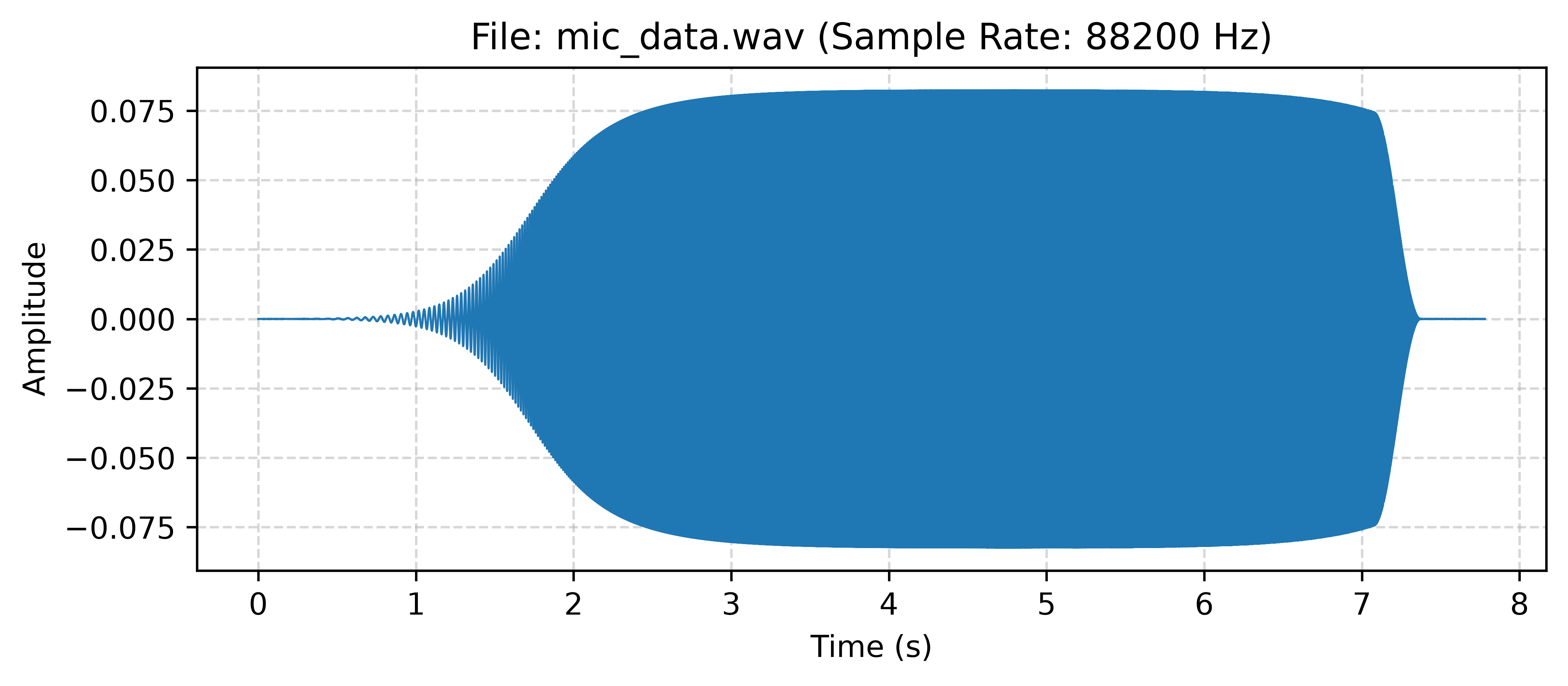
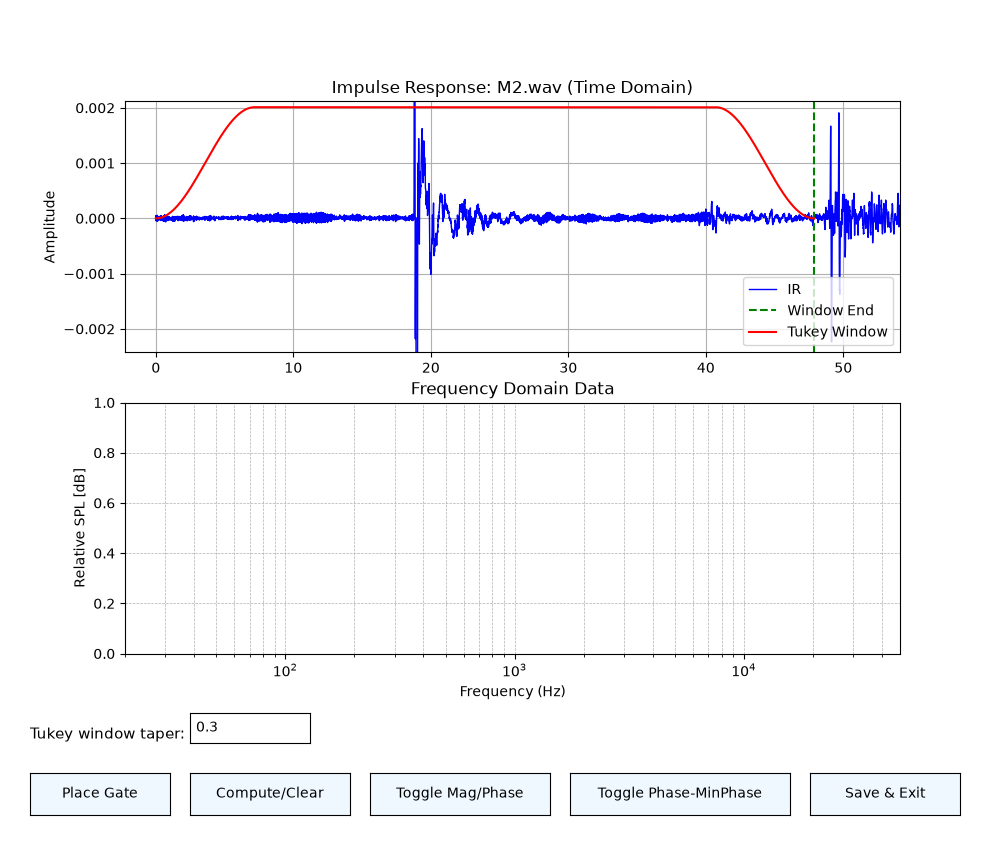
There are three main tools: A MEASUREMENT tool for playing and recording repeated chirp type signals from a computer and audio interface in 2-channel mode, an IMPULSE RESPONSE tool that takes the raw measurement data collected from the first tool and converts that into the system impulse response, and an IMPULSE TO FREQUENCY conversion tool, where you window the impulse and generate the SPL and phase frequency responses from that. This tool spits out FRD files that you can use in the usual way. The data generated by the first two tools is saved as WAV files. This makes is possible to import the data into other programs like ARTA or REW if you prefer to process them there. I also created a plotting tool for WAV files so that you can check them for problems, e.g. after the measurement run has completed.
WHAT YOU NEED: The tools are designed ONLY for 2-channel measurements where one channel is a loopback or is measuring the loudspeaker (post amplifier) drive voltage directly. You cannot use a USB microphone or single-channel measurments, and no one should be using those for serious loudspeaker measurements anyway… The programs will run under Windows and Linux, and some are run with Python. Python and the necessary modules can be installed easily under both OSes. I have been testing in Ubuntu Linux, Windows 11, and also in WSL2 under Windows 11. If you have a computer (a laptop is great) and a USB audio interface with two or more input, and two or more output channels, you are ready to go.
The full project is hosted on GitHub. If you want to participate I will send you the info so you can download the software.
This is my personal effort to try and improve my own loudspeaker measurements, and get control over all of the important parameters for measurements and post-processing into an FRD file. I am happy that I can share this with the community, and I hope you will consider taking part in this effort.
Drop me a PM here, via my Facebook page, or at DIYaudio anytime.