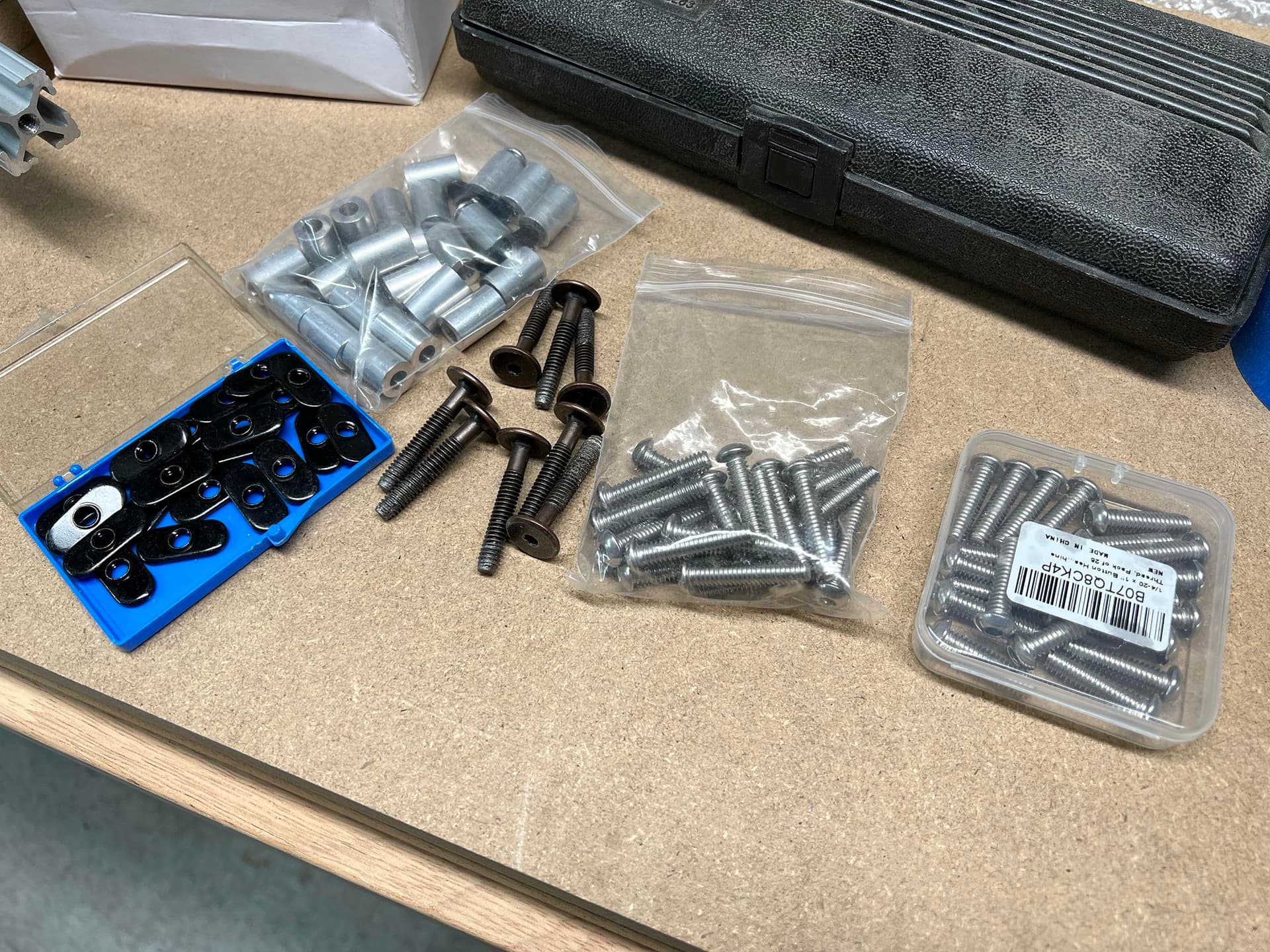
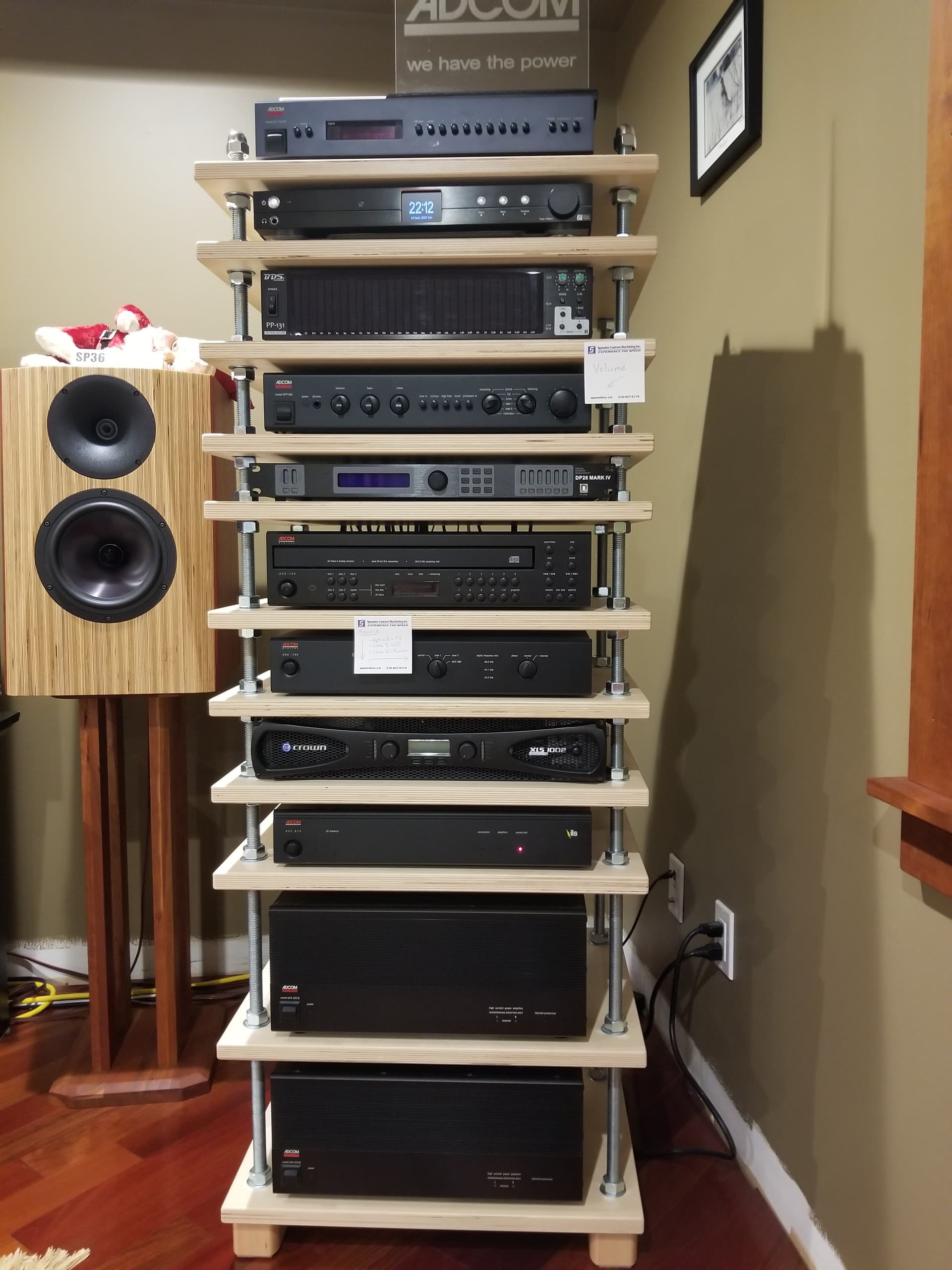
You could go the 80/20 aluminum route like I did.
Here’s the thread from the old forum - Rack 'em up! — MAC/DIY
You could go the 80/20 aluminum route like I did.
Here’s the thread from the old forum - Rack 'em up! — MAC/DIY
didn’t quite understand how you got the shelves mounted on to the 8020 tracks. that looks good, tom
Spike speaker feet? The fancy ones PE sells.
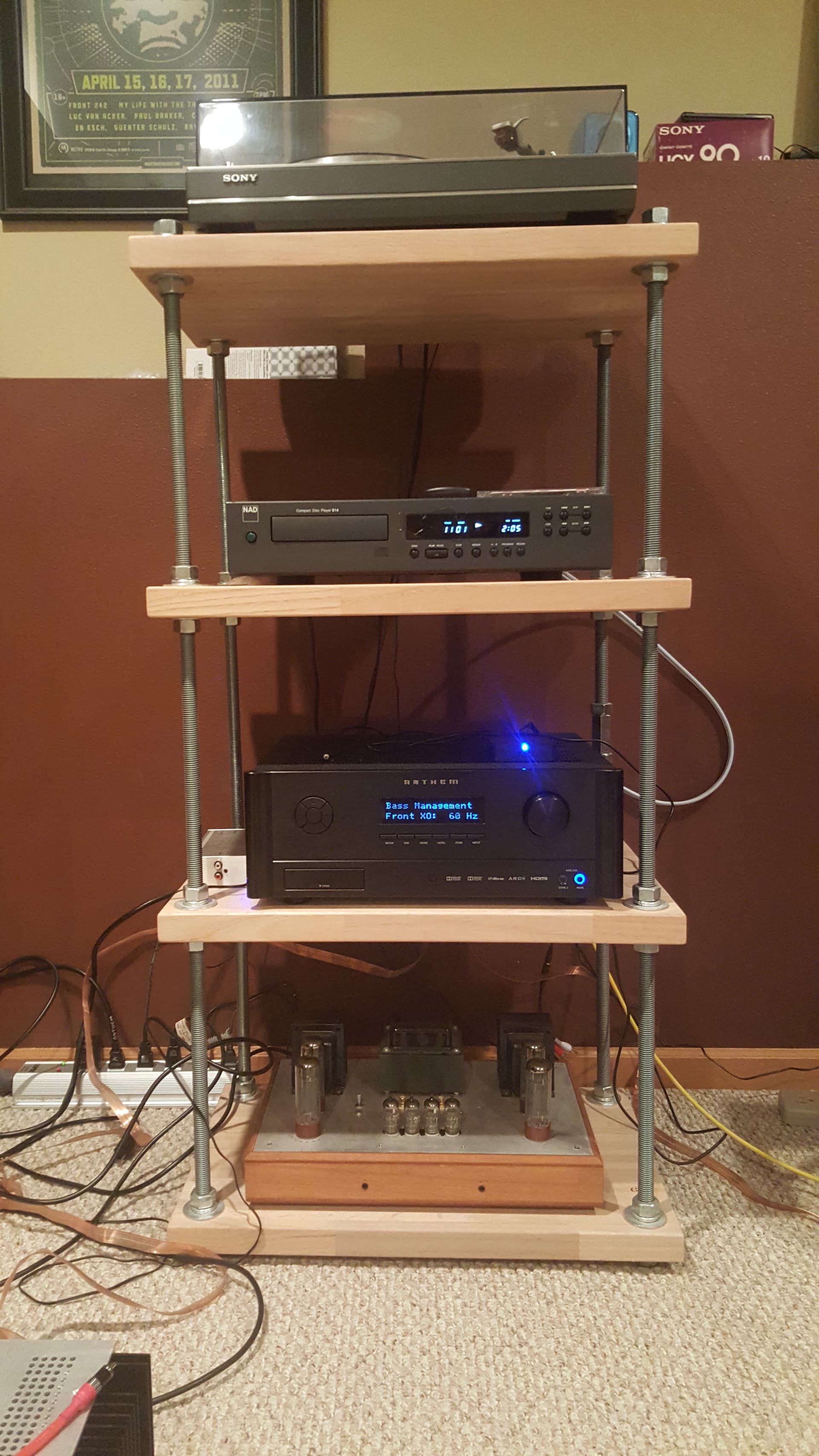
Also you can get any color/finish under the sun of vinyl wrap to cover the conduit.
You could also use rubber hose over the threaded rod.
There are alot of options on amazon for vinyl wrap (any color paint, matte, carbon fiber, chrome, color shifts etc. you could easily wrap pvc conduit with the vinyl. I’ve had vinyl wrap on my CSS 12” sub build for like 8-10 years now, its not even peeled yet and I didn’t try very hard when applying it (not did I clean the dust off as well as i should have).
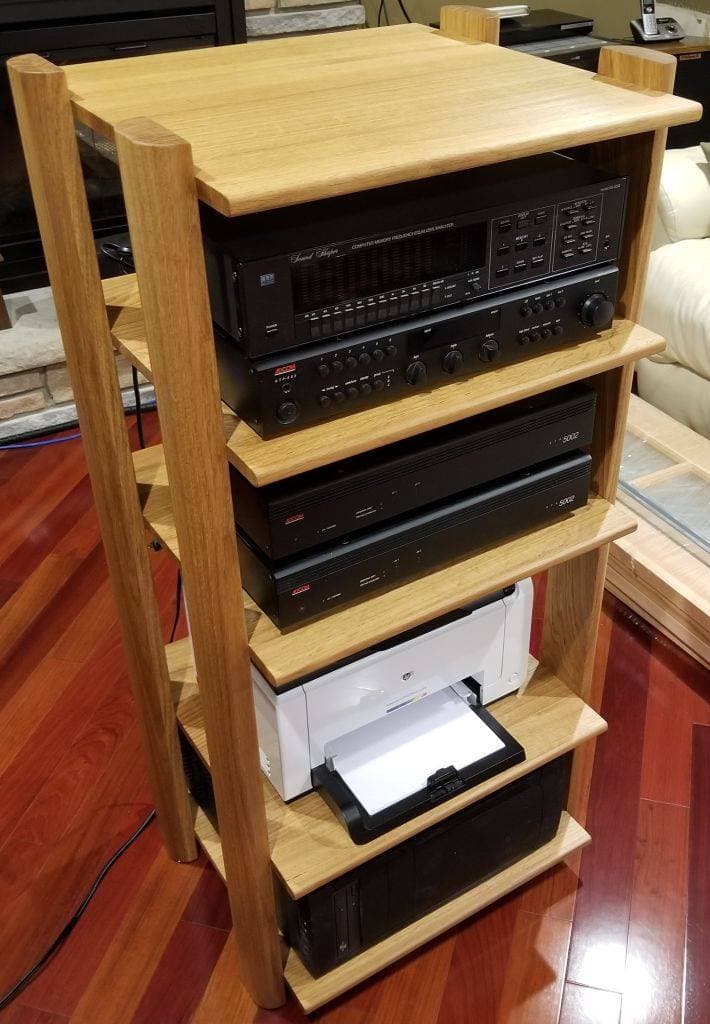
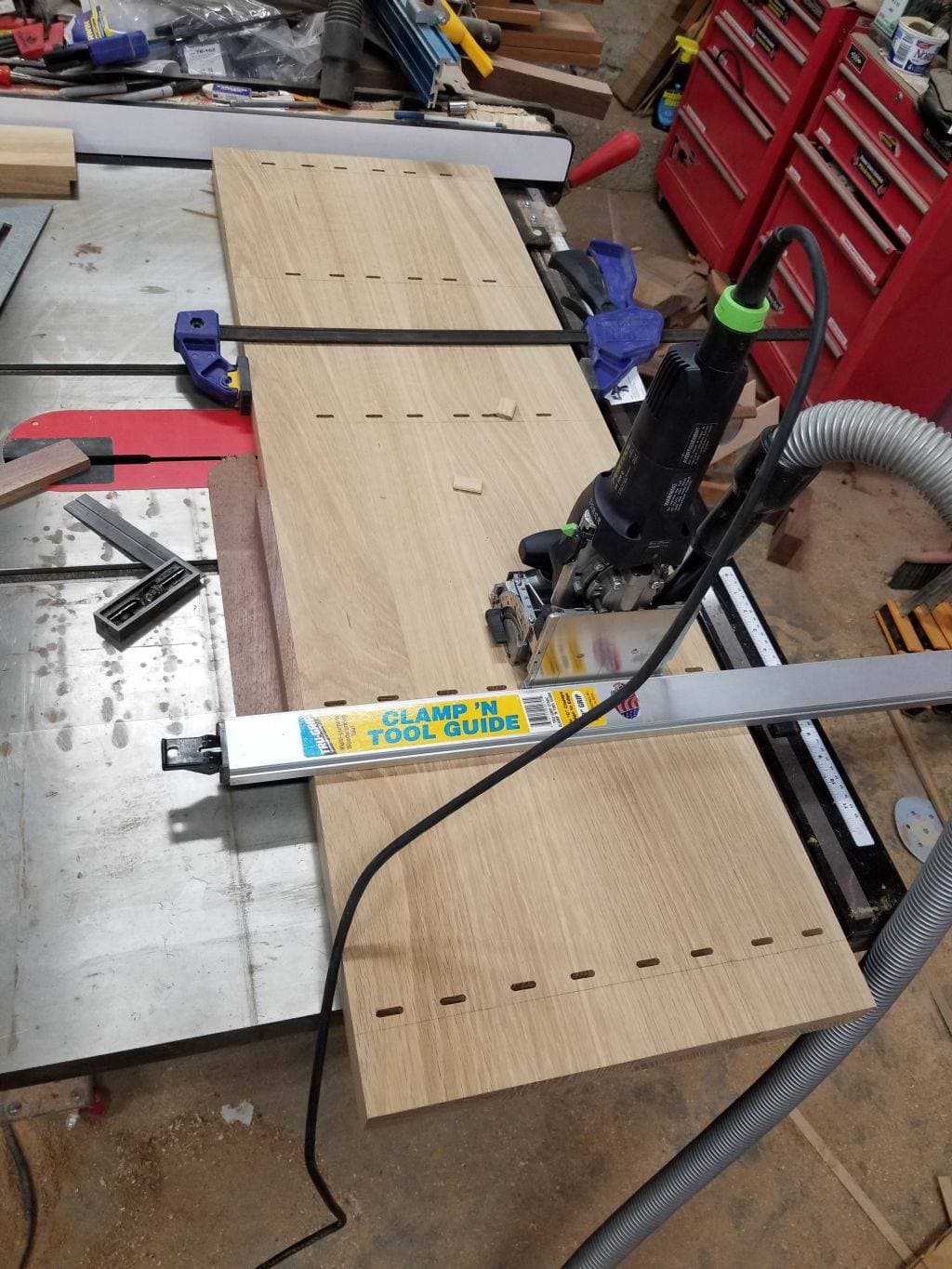
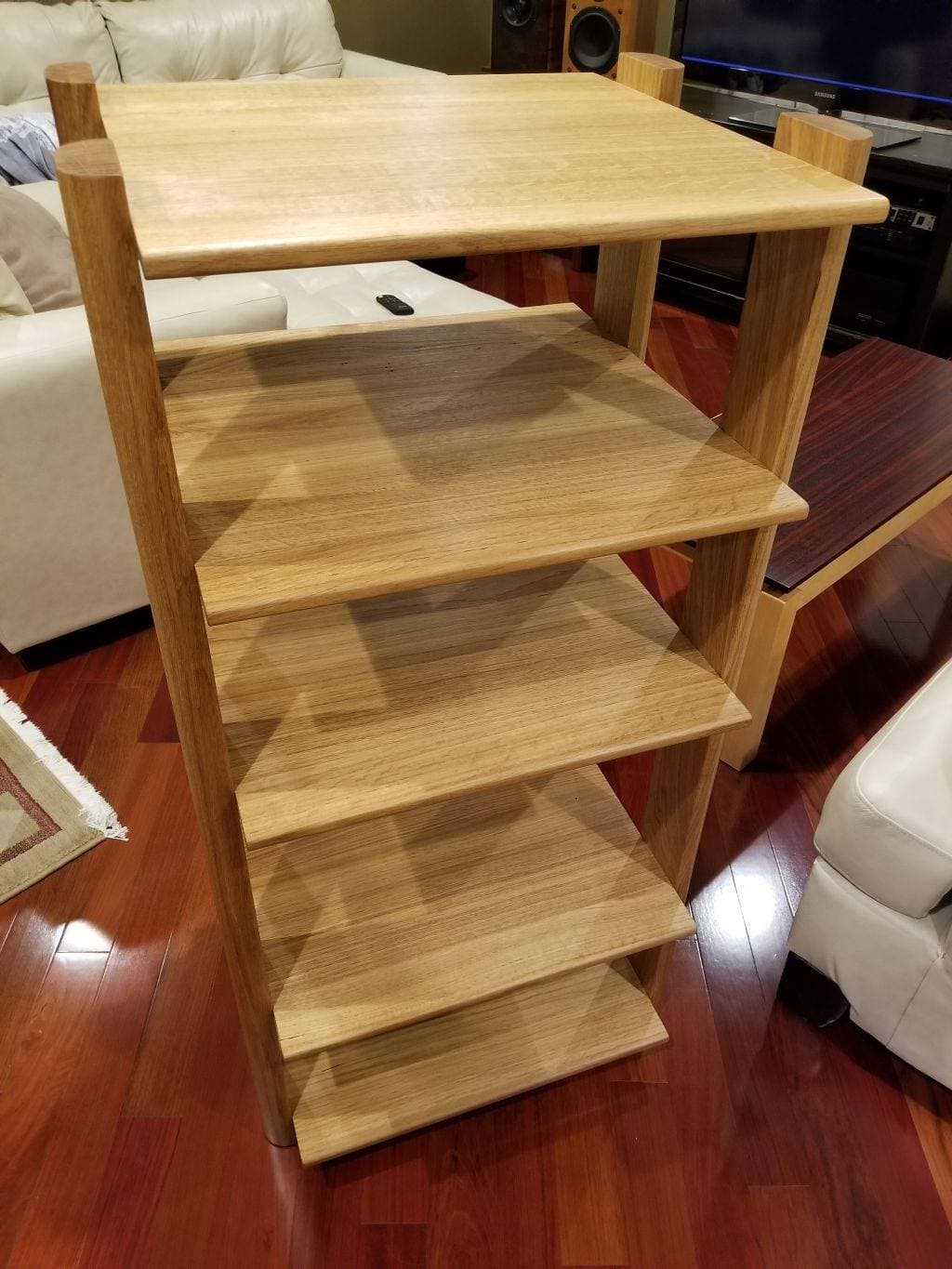
I have made a couple of racks, this one is solid white oak,
And one made from 3/4” rod and 1” Baltic Birch.
David.
Looks great. What’s the attachment mechanism for the one with wooden sides?
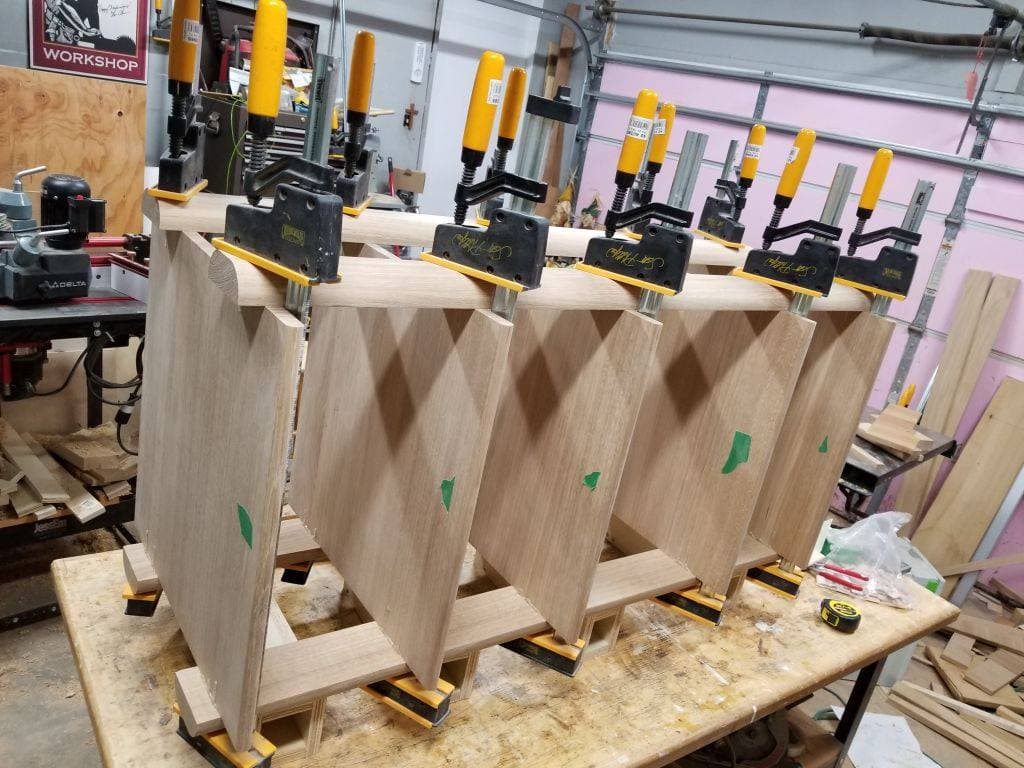
Here are the four verticals all getting two domino loose tennons each, did this before making them semi circle
Geez, that was 7 years ago, time flies…
Thanks. Looks great. May I ask how did you turn them into semi circles? Looks much better than leaving them as thick strips.
Used a 1-1/2” large roundover bit on two edges.
Or could go more enclosed to keep little fingers out. If you’ve got any equipment that has ears for rack mount… You can get rail pieces to screw to wood:
Doesn’t even need to be full height rails. Could have a few “U”s, and make the rest shelves.
Some of the stuff have ears, others not and some are not standard width.
How are the components supported from bottom? Rack ears won’t be enough to support the weight by themselves
I really only have experience with rack mount server/networking stuff. You’d be surprised what those little ears can hold up. If it is indeed too heavy they would usually supply bars to link to rear rails.
I use a decent amout of rack equient and try to put the heaviest on the bottom of the rack and lighter stuff at the top. Thankfully this is normaly pretty ergonomic as well as amplifiers end up on the bottom and mixer, eq, cd player on the top.
Having hefted the racks Matt populated several years back, I would agree with both of the above. Matt went so far as to separate source and amp racks. The Macrotech 5000VZ were 80 pounds each, and he had 2 in that rack. He definitely used rear rails for those. For the newer Class D models, I don’t know that I’d worry about the ears not supporting them, but avoid rack-rash and use the plastic-backed rack screws.
Thanks, that’s helpful, having never put anything on a rack. I do have some lighter components such as DACs, 8ch USB balaced interface, 8ch single to balanced, etc, which are quite light and pretty shallow - maybe 6-8 inched, but i do have some class AB amps too which are pushing 40-50 pounds or more and quite deep - rack rails for those.
how do the components breathe in the racks? Esp the AB amps - the other items i suppose don’t get very hot. any rule of thumb for spacing - most racks i see are components stacked on each other .
Most pro amps have fan forced ventilation front to rear or vice versa. There are gaps between sides of amps and rack panels, but it’s minimal. The Macrotech vented out the sides and worked, but again, fan forced. Home hifi amps may want a fan forced volume if enclosed, so I would leave open and an inch or 2 between those and others above it.
Some pro-audio brands vent front to back - some are the opposite. At least that’s how it was in the 90s.
In our rack at Church we had rear supports for the heavy Crest Audio amps (~45 pounds each). All of the Crown amps and dBX crossovers were just mounted using their front brackets. Never any issues. It was a very stationary rack though, unlike some road gear I suppose.