Cool, and some impre$$ive parts (including your ‘rolled’ inductor - nice). Thinking, just don’t take it through an airport- try explaining the ‘trigger’ switch - ha.
1 Like
Jantzen 0.15(8) foils and Audyn True Copper were clearance sale plus discount cheap at end of 2025. 0.68mH(0.7) were from a personal buyout from Rich Jura when he left the hobby. Chuck and I bought and split those quite a while back now. Audyn TriRef came one free from Mark, one at Tent Sale. Audyn Silver came one free from Mark, and another at new old stock price at PCX (All these Audyn parts have gone up immensely in price.). The Bevenbi Silvers were fairly inexpensive.
I really like winding my own coils. I rarely have to order them.
Oh, and the fact of no voltage supply would fix that.
1 Like
Received the WA22 Graphene units today. The domes on these are visually black and opaque, whereas the WA10 are transparent to a degree. A touch of the dome shows it is indeed still soft and flexible, so the graphene does not really stiffen it heavily. More later….
I don’t understand. Why go through all the work of finding the best components and then add multiple peices of ferris metal to the circuit path and have inductors touching eachother? Get anything inductive out of the flux of the inductors. Even non-ferris metals will affect the flux of the inductors. Use some space and get rid of any ferris metals in the signal path.
If you want the best performance you can’t ignore best practices.
We talk about all the things we can hear but can’t measure then we ignore things we can measure and hear?
2 Likes
The inductors are at right angles. They are fine. We have been through this already.
The only thing ferrous on the board in the connection path are the temporary secondary capacitor screws I used for connections. They will be removed in finale, as well as the switch. The alligators are not there any longer, but all of us use alligators in voicing process, so it can’t really be that big of a deal.
The bolts inside the MP80 caps are for mounting only and not in the circuit where the signal runs through them. Do you know how much money brass bolts are? They are about $2-3 a piece, and are still ferrous to a degree. Nylon bolts might be my best bet in finale. This is not the final mockup.
That is all that is there. The bolts are a couple inches from the coils, so no big deal.
You don’t have to like what I do, Ken, but I don’t see anything I did as being questionable in practice. Think what you want on caps, andi will do the same.
“We have been through this already”
Yes, I showed with measurements why this is not best practice. Why spend so much time swapping components when you could easily make verifiable improvements by implementing best practice?
“all of us use alligators in voicing process”
No “all of us” don’t, for this very reason, it has been known for years that aligators are inconsistant at best and influance the voicing process.
The only thing I mentioned about capacitors was when you were talking about how the caps you are using had better properties, even according to the manufacturer that is only when compaired to other IGBT capacitors. I agree that capacitors make a difference, I just feel you missrepresented those igbt capacitors by leaving out essential information.
Everything I have mentioned can be measured or verified. So why not do it the best way?
1 Like
Can I say ‘good points’ presented by both… current through a coil creates magnetic fields, and take care with placing inductors closely to driver magnets- best to measure placement and rotations.
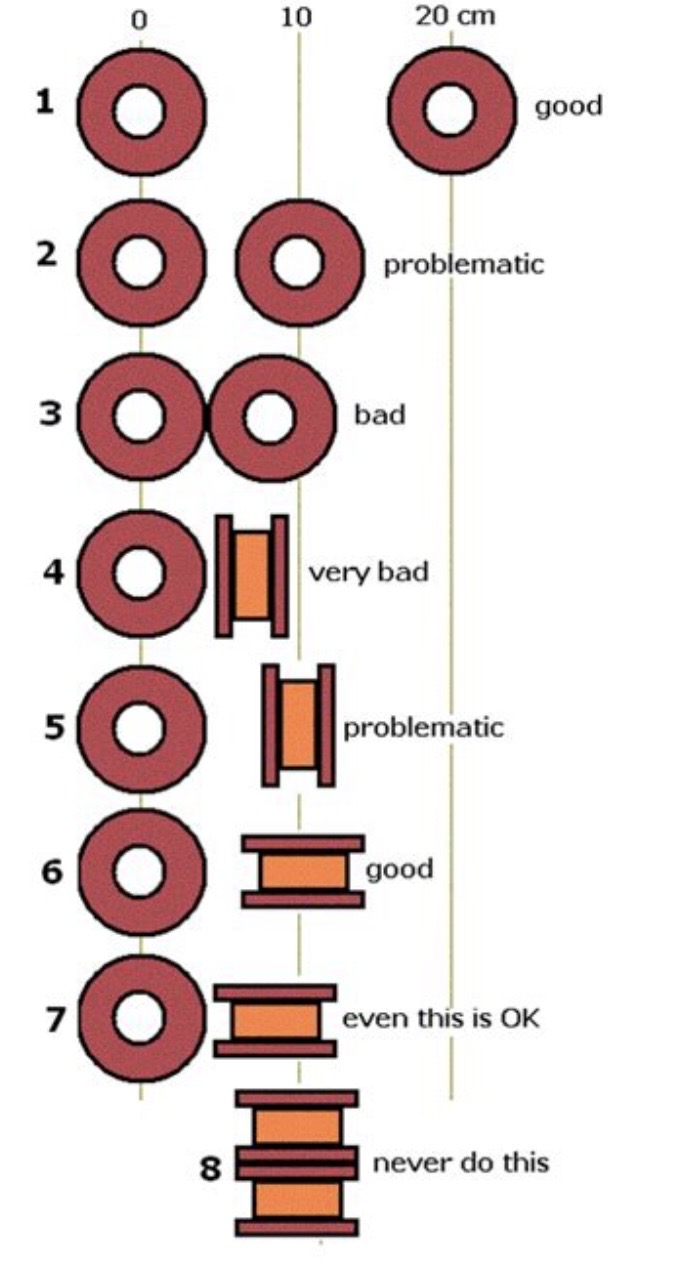
1 Like
I like this diagram but it is incomplete as it places 2 examples in the “good” section. In reality 1 is better than the other I would ague it is omiting the most logical (and verifibly the best) conclusion of 90* and 20cm.
Also this chart does not give any of the test parameters used.
2 Likes
I stated what the caps datasheet and info stated on the website for the MP80 caps, and was not implying that those criteria were why they were better. It was just for informational purposes. I have no idea why they sound different to me.
I am glad you acknowledge that their are differences in sound from capacitors. I just wish I knew what to measure to show it.
Okay, I did make an overly general blanket statement for the alligator clips. Many of us do use them in tandem with wago clips. I do not use store bought leads and use what I made myself. Not to say that them being steel has no bearing on anything. There should likely be some small effects, albeit minimal.
I also posted this graphic the last discussion in the Pangolins thread.
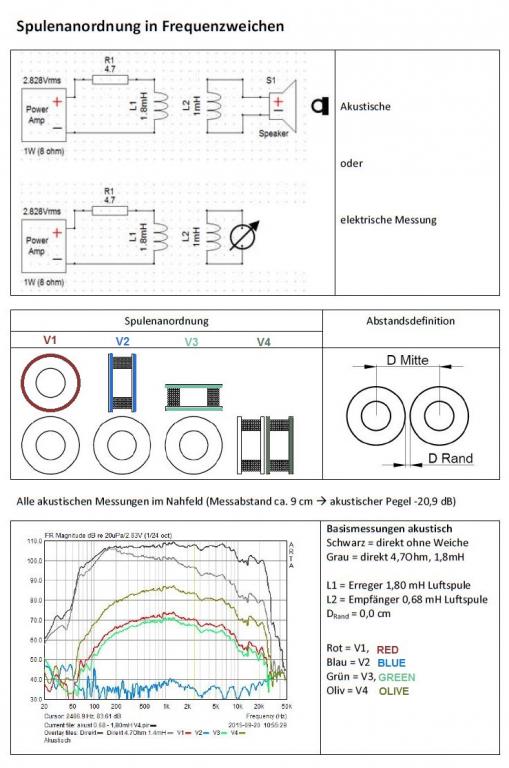
An FFT under load would probably show us why capacitors sound different. This is not a simple measurement.
It all seems a little pointless if we are going to ignore a 40db@2.83v distortion that is 100% avoidable.
You said “The EC is a patented extended metallized polypropylene IGBT snubber capacitor, built differently to minimize inductance. They are a potted black block style with through holes for direct mounting.” When you make this statement in a conversation involving audio capacitors without stating that those statements are only true in comparison to other IGBT mounted-igbt snubber capacitors, it is misleading.
Why do you fight it so much? If a capacitor offered measurable improvement over another capacitor, you would try that…yet you ignore the data you post.
Because it is a hobby not a job?
1 Like
Fight what exactly, Ken?
This is the woofer alone in the cab:
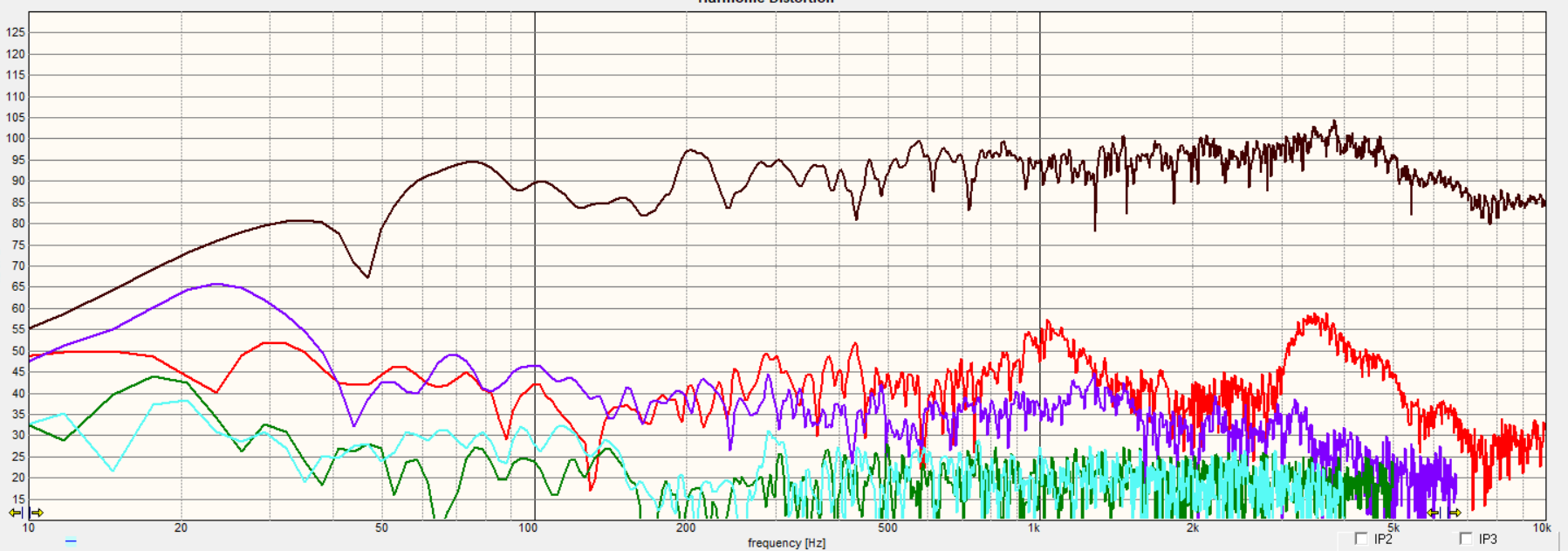
This is the full design as it sits after xover and spectral tilt is applied, as well as being at a higher output.
The Bevenbi/Audyn Ag combo:
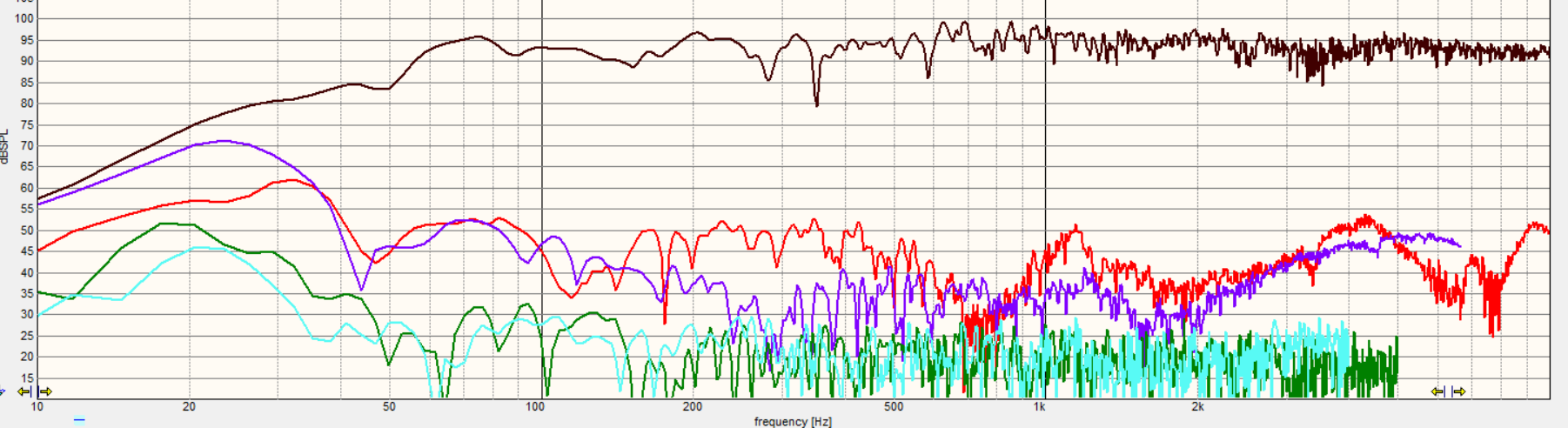
The woofer HD2 measurements are still at -45dB from reference, just like the initial woofer measurement.
And since we are sidestepping to the topic of low HD related to my methods, here is the HD measurement of the Cecropia Supremes project. The midband has very very low HD while also using my methods.
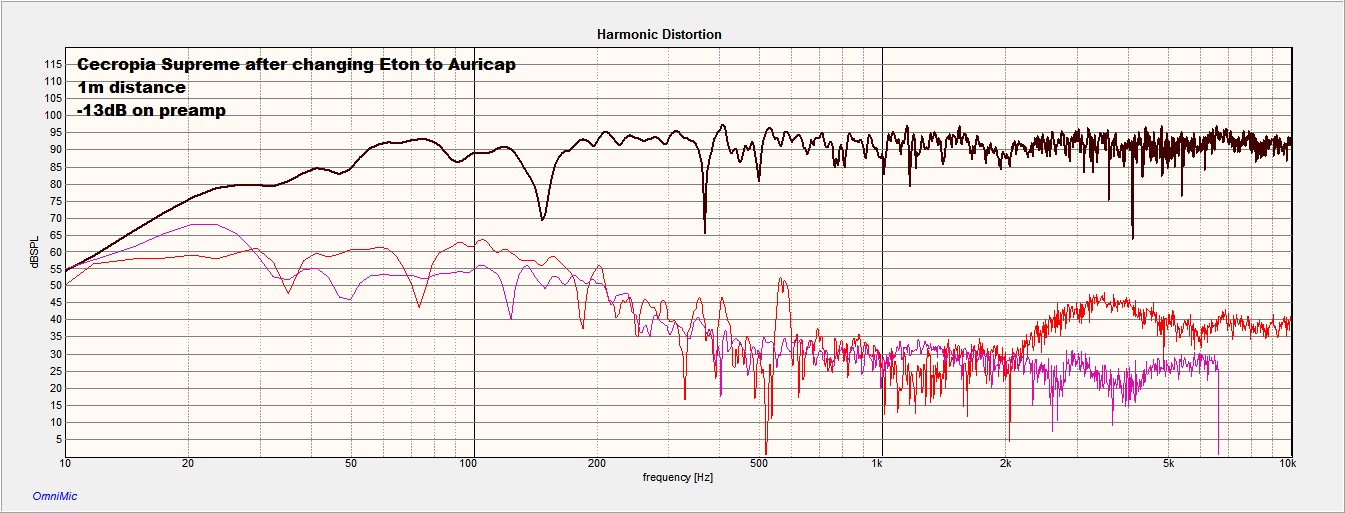
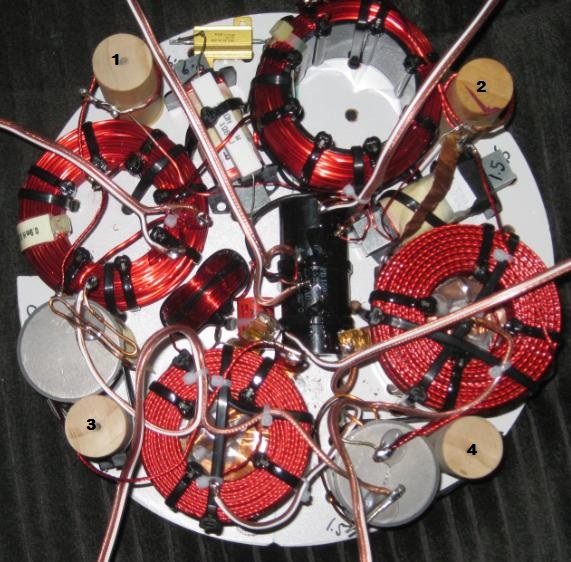
The HD measurement was taken with the Litz coils in use, and they are only a couple inches apart and in the same physical orientation. They are not far enough apart by proposed standards shown above, nor are they positioned the best way possible according to both proposed graphics. They are also strapped into place atop the Foils I was in tandem experimenting with, right next to the Ferrous P-Core between them as another option. With the xover at roughly 2k, you can see this is not adding much HD into the lowpassed midrange bandwidth. This was also the best placement I could do under the circumstances with regards to positioning and distance in that build. I came out okay, and it is likely still the build with the lowest HD in the midrange that I have completed.
In the current Wanlu build, one VersaBox project of 3 this current thread is actually about, I don’t even have the coils in the same plane and orientation like the Cecropia Supreme build shows. If I’m getting HD levels this low with these kinds of implementations, I see no reason to do it differently.
No, I am not doing this for a living as Drew stated, and enjoy how I do this. It works. It’s fun. I learn stuff. Bonus; the xover physically fits in my VersaBox cabs. I’m not getting higher HD with my methods of implementation, now shown additionally by the previous build mentioned above.
After listening to the WA22 plopped in this evening, I believe they are likely better at the same job than the previous WA10 units were. I will measure them singly in cab and after as-is xover soon to verify if anything will need adjusted.
Ben, you have stated that you can hear sibilance caused by Lynk MOX resistors.
You said that you were “absolutely blown away by the performance they provide I’m absolutely blown away by the performance they provide. It consists of an Electronic Concepts (EC) MP80 6uF 600VDC and a 2.7uF IMB chaser for value. The EC is a patented extended metallized polypropylene IGBT snubber capacitor, built differently to minimize inductance. They are a potted black block style with through holes for direct mounting.”
You are expecting us to believe you can hear a significant difference in things that cannot be measured but you also want us to believe your inductor placement is insignificant compared to brands of resistors and capacitors.
It’s your build, do whatever you wan’t but understand why you get pushback on your claims.
1 Like
The actual component or part brand has nothing to do with it. I don’t care if Joe made them in his garage as long they sound good and perform as expected. I link my observations to the components that are causing the issues or making me more or less hhapy.
I have no stake in the component manufacturers and am not trying to focus on a favorite or one that pays me or has given me stuff. The mention of caps and their methods of construction is only just that. They just sounded better to me over whatever else I tried. That is all.
Just because I can’t measure it or know how, does not mean the measurement doesn’t exist or won’t be invented. I just hope it is discovered or used in the future where it can benefit others. I’m just glad you agree differences do indeed exist.
FWIW, I don’t typically get rebuttals quite like this. More often than not, my statements are accepted or denied at face value, followed by eventually agreeing to disagree. Those that challenge it usually are blatant naysayers that say it can’t be possible at all, but that isn’t the case here. I know my Nephila build holds a special place for you, and it was also built with woofer coils positioned like Wanlu above.
The proof is in the pudding, and my end results reflect my endeavors for a better sounding project.
1 Like
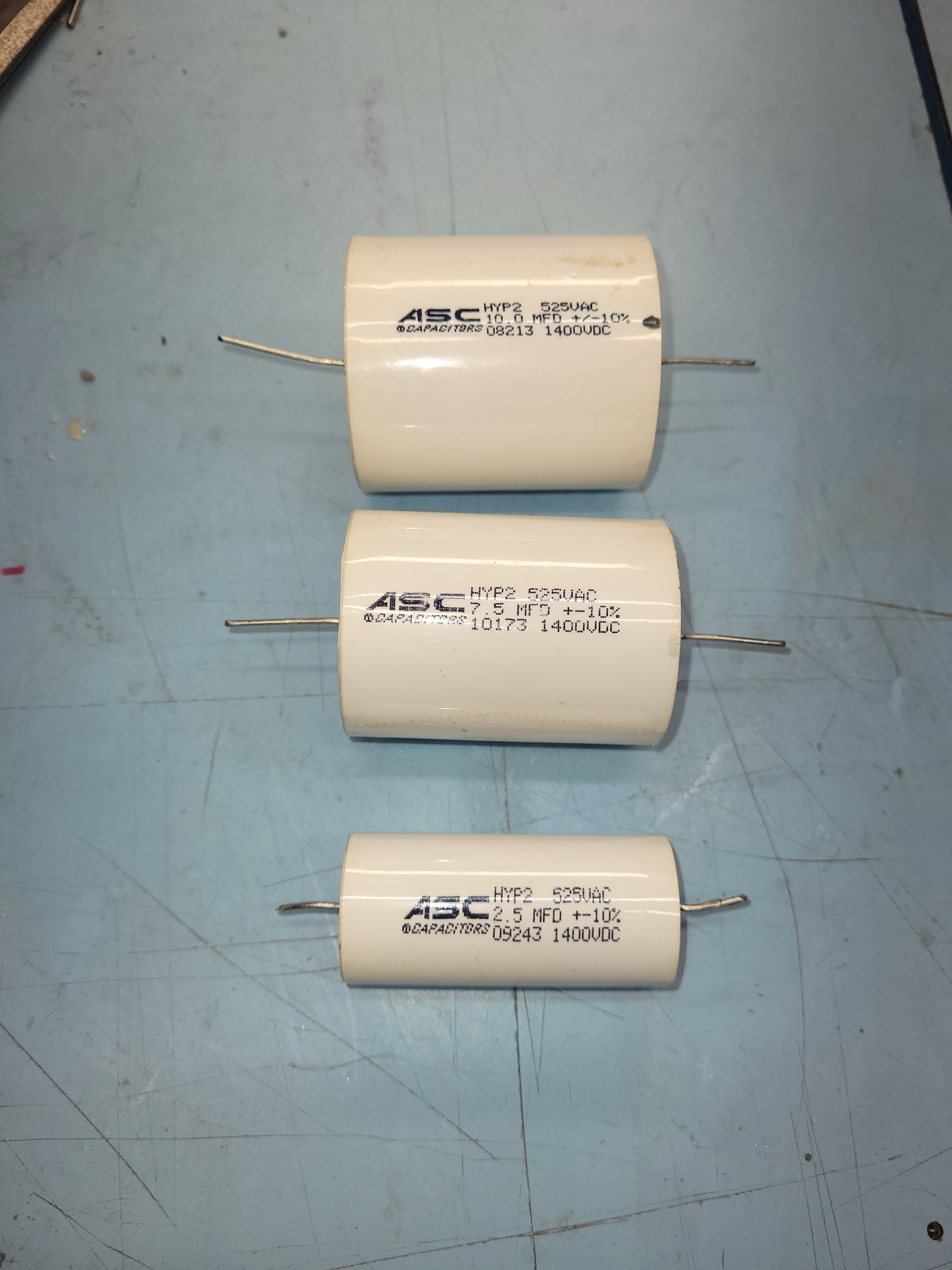
Anyone interested in buying these ASC caps from me? I have four of each size. They were snubber caps for some IGBT’s. They all measure within less than 1% of rated uF. Notice the AC and DC voltage ratings. $500 for the lot.
2 Likes
Joke or not, this is not a for sale thread, Craig.
Please repost in the Classifieds. 
Funny related additional note:
I did try some ASC 5uF 800V caps in the triple with the Audyns, but the Arcotronics sounded better this time around. I’ve used lots of ASC caps in the past.
“I just hope it is discovered or used in the future where it can benefit others.” If there was a way to show what and why would you use that information?
I think everyone would want to know how they affect the sound differently, because they really do.
Not that everyone would believe it- that is the issue.
Back to the build…
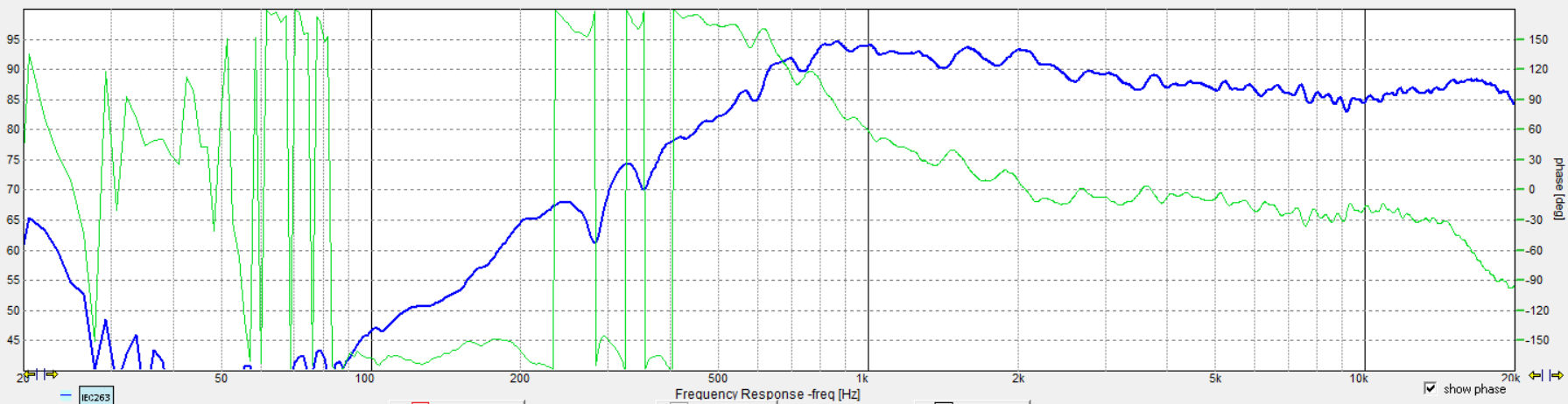
Here is the Wanlü (2nd version) set of data I just took with my Omnimic V1.
Cab#1
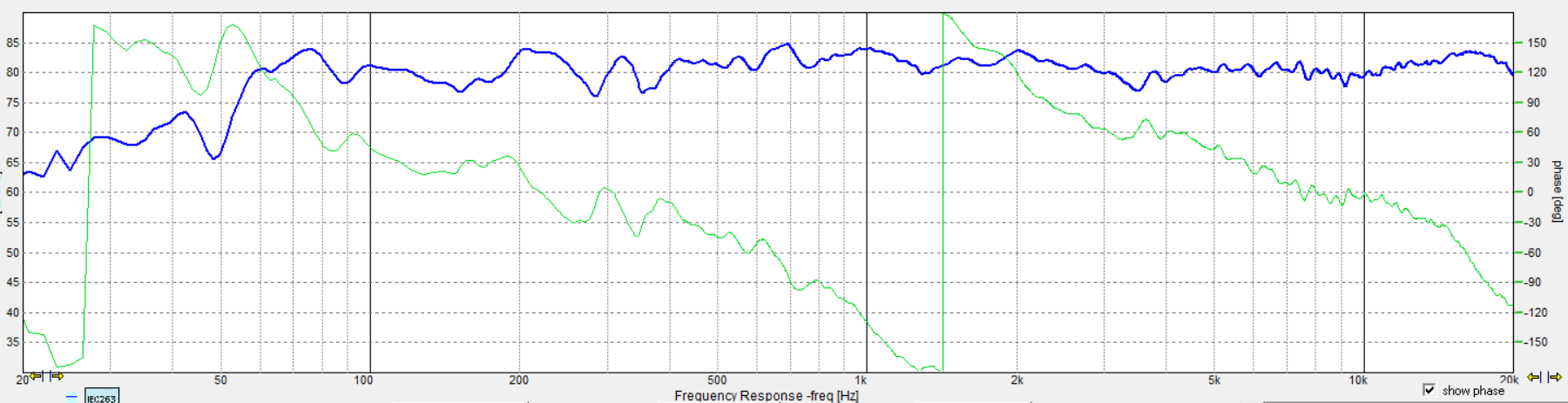
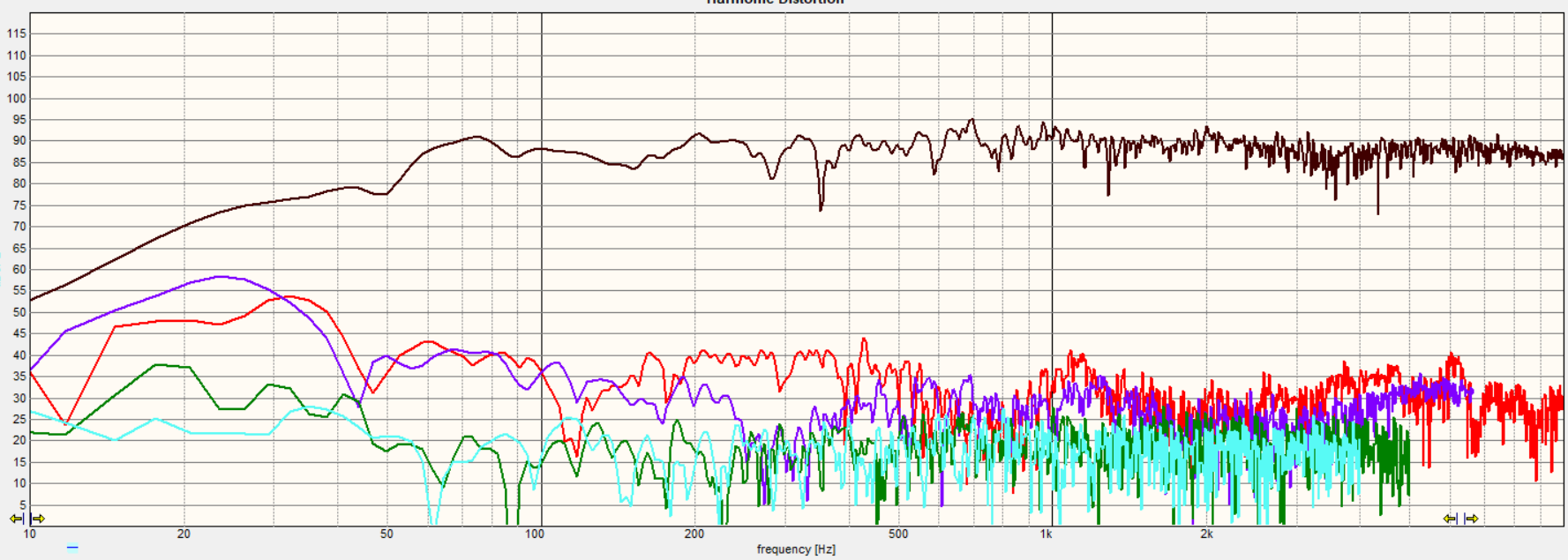
TW030WA22 Sample1:
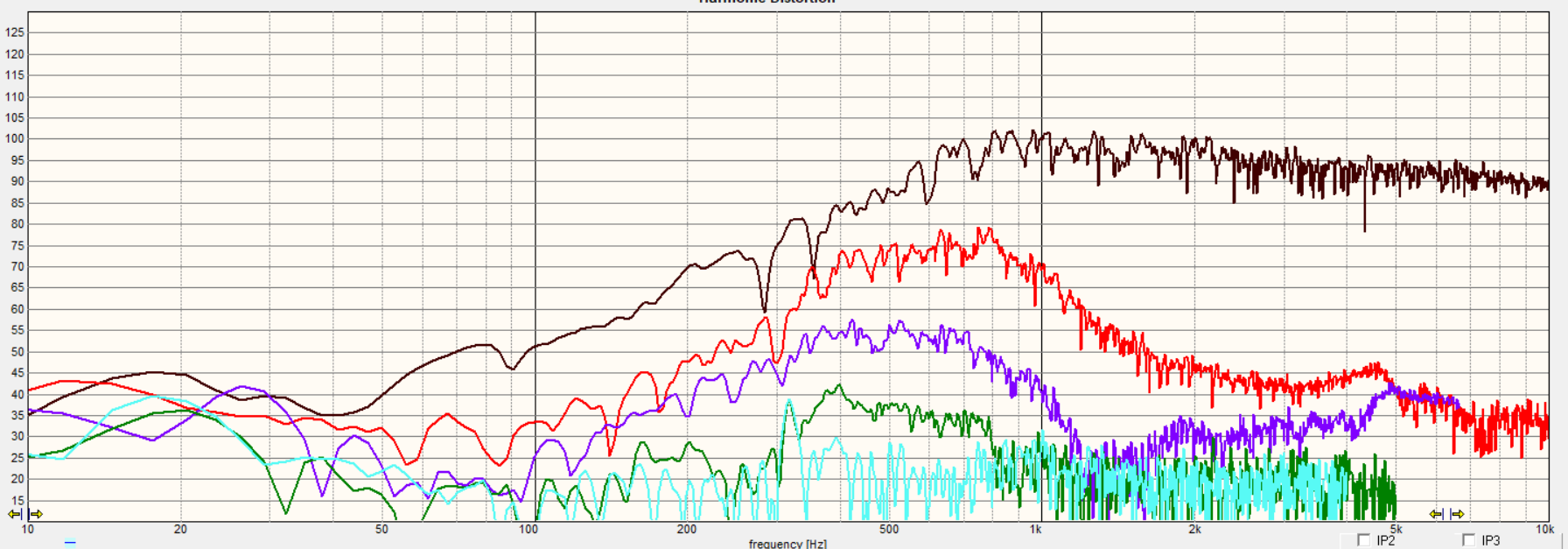
Cab#2:
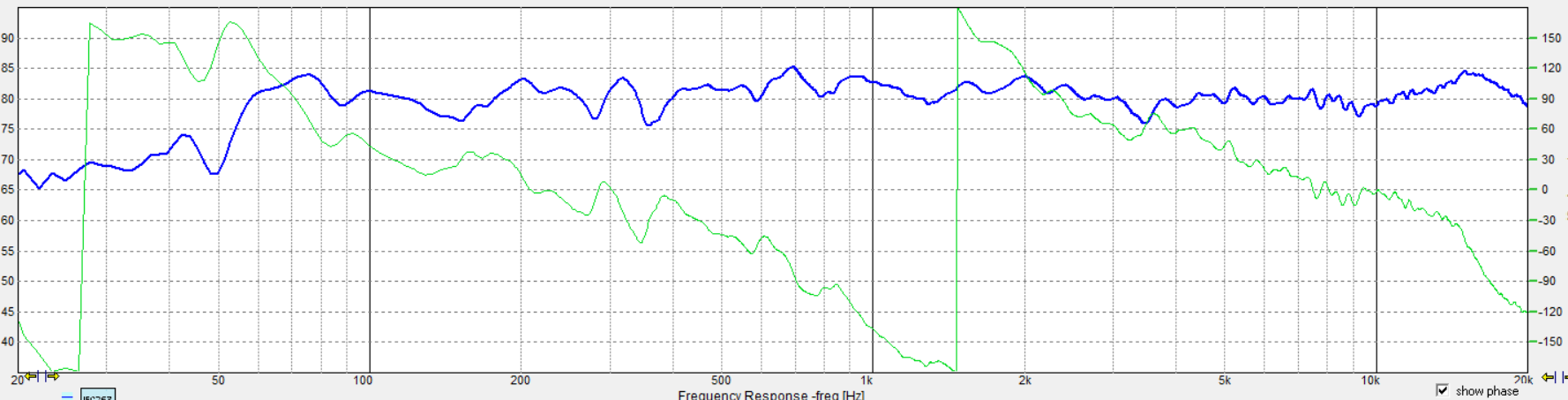
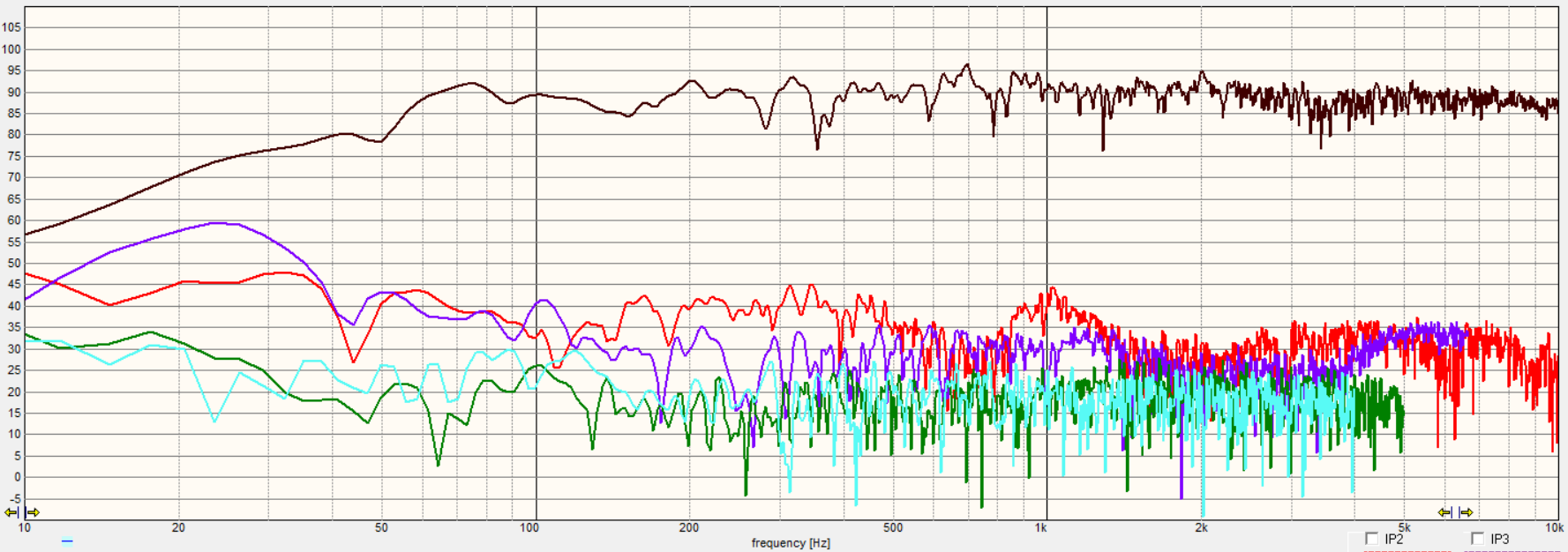
TW030WA22 Sample2:
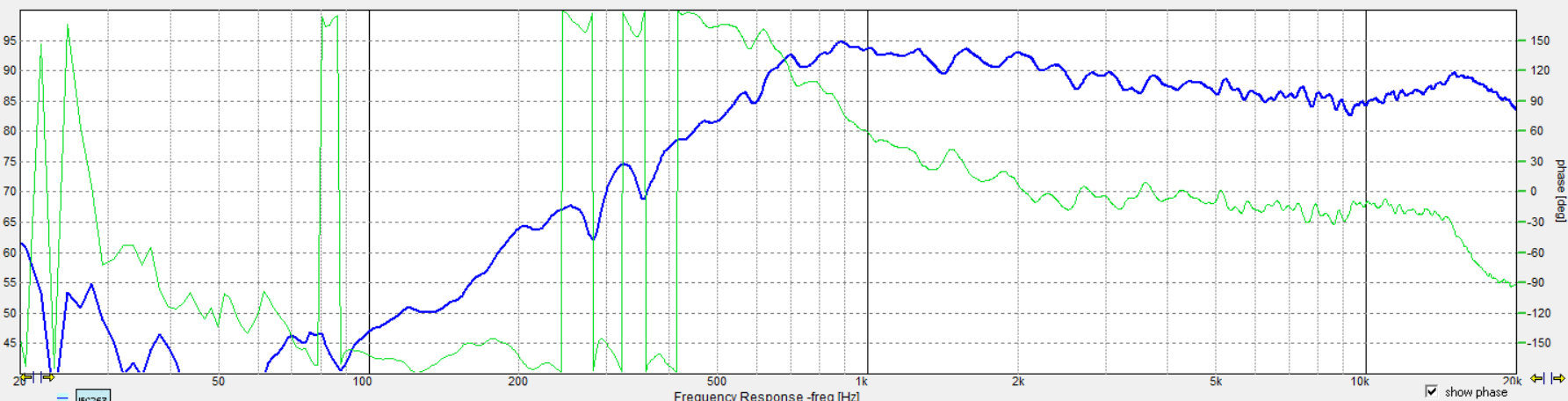
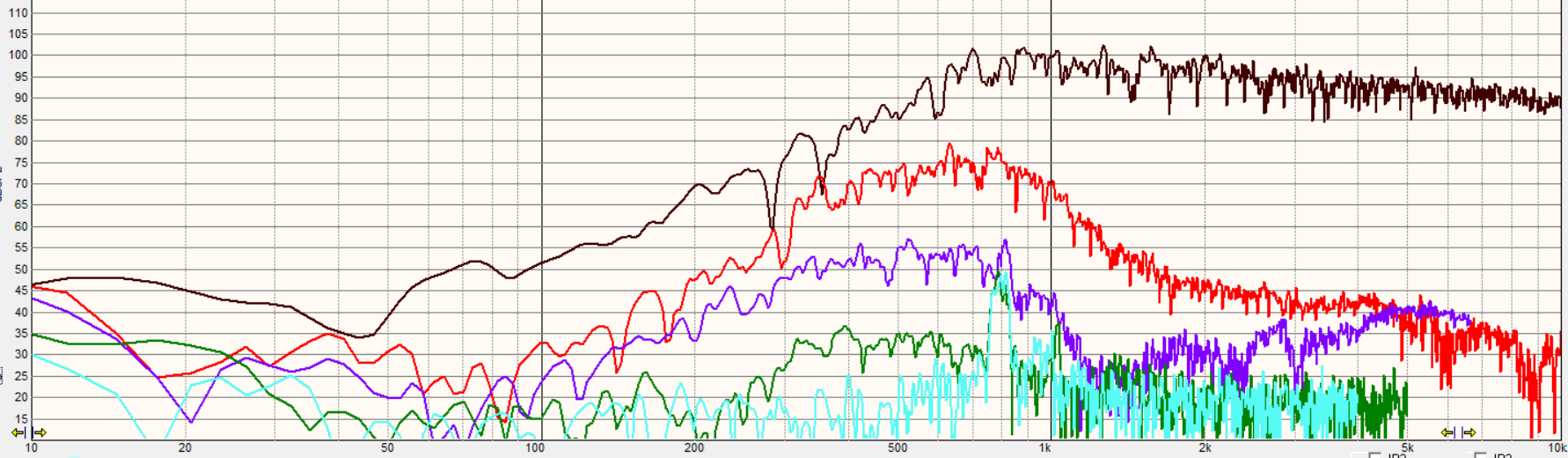
I have to say I can see the HD is lower on the Graphene version of this tweeter. It sounds cleaner too.
1 Like
Looks like you measured what you heard?
Yes, I would say that occurred. 
1 Like