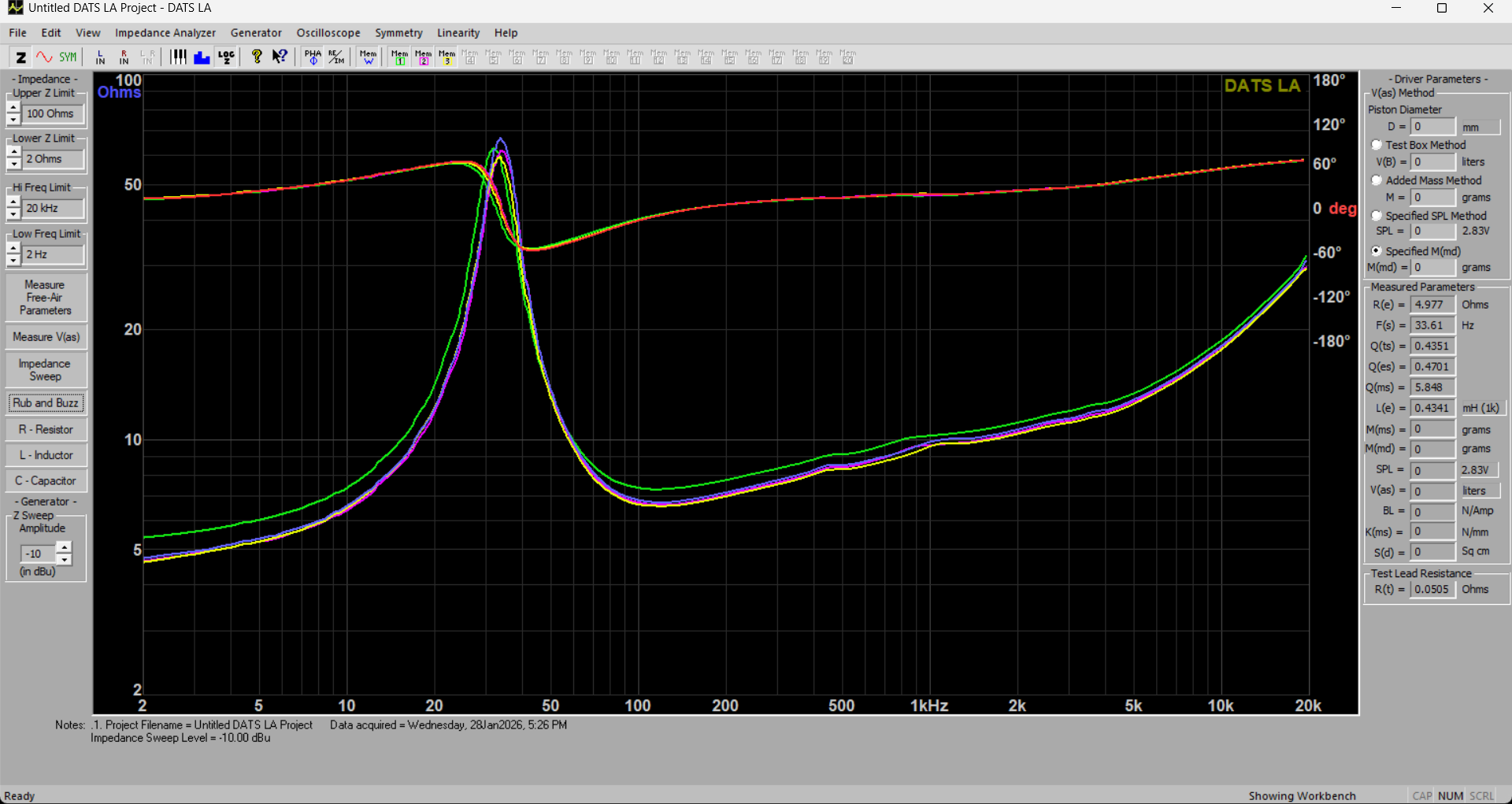
It’s consistant, ideal-no. I have found that I get different readings with different material under the driver. So driver sitting on raw countertop will measure different than sitting on a mouse pad.
Mounted in the box is probably the correct way but that can introduce artifacts as well. An inert infinite baffle would be perfect but not practical.
Speakers have certain ‘fundamental’ parameters that combine to produce the ‘derived’ parameters we often interact with.
Woofers don’t have a Qts, they don’t have a Vas, they don’t have an Fs that you can directly adjust as a driver designer, because they don’t directly correlate to physical quantities of stuff that make up the speaker. What they do have is a cone area Sd, a DC resistance Re that comes from wire size and number of turns, a moving mass Mms, and a spring suspended system with a spring constant Kms and mechanical loss Rms. Then they have a motor assembly with a rest BL product, which comes from a gap height and number of turns. Those are the things you can adjust - the knobs you can turn, which result in a Fs, a Qes/Qms/Qts value, a Vas, and modeled SPL, each of which are calculated from the ‘fundamental’ parameters so they are properly understood as ‘derived’.
The result of this is that many of the ‘derived’ parameters can vary by larger amounts than any of the constituent physical quantities and dimensions of the speaker. Production tolerances for Fs on an assembly line are closer to +/-15%, and the Q values can vary up to +/-20%, with Qes usually varying less than Qms which is connected to Rms, and Qts varying as a function of Qes and Rms. Then Vas is a function of spring compliance and Sd. It’s the spring compliance Kms that varies the most, creating that 15-20% of variation, because the rubber components vary the most within a single batch and even being subject to ‘break-in’ settling over the life of the speaker, as well as being affected by component placement and centering, which can introduce bias in the spider or the surround at rest. Fs is controlled by Kms and by the Mms, which is usually pretty well controlled to within 5-10% between components but depends on how well the glue dispensing amounts and component centering are controlled on the line, so it is an aggregate of those mass tolerances for every single moving component of the speaker, and the placement of ‘flexible’ elements like the inner and outer surround flanges that like to move around and even be deformed in the bulk packaging.
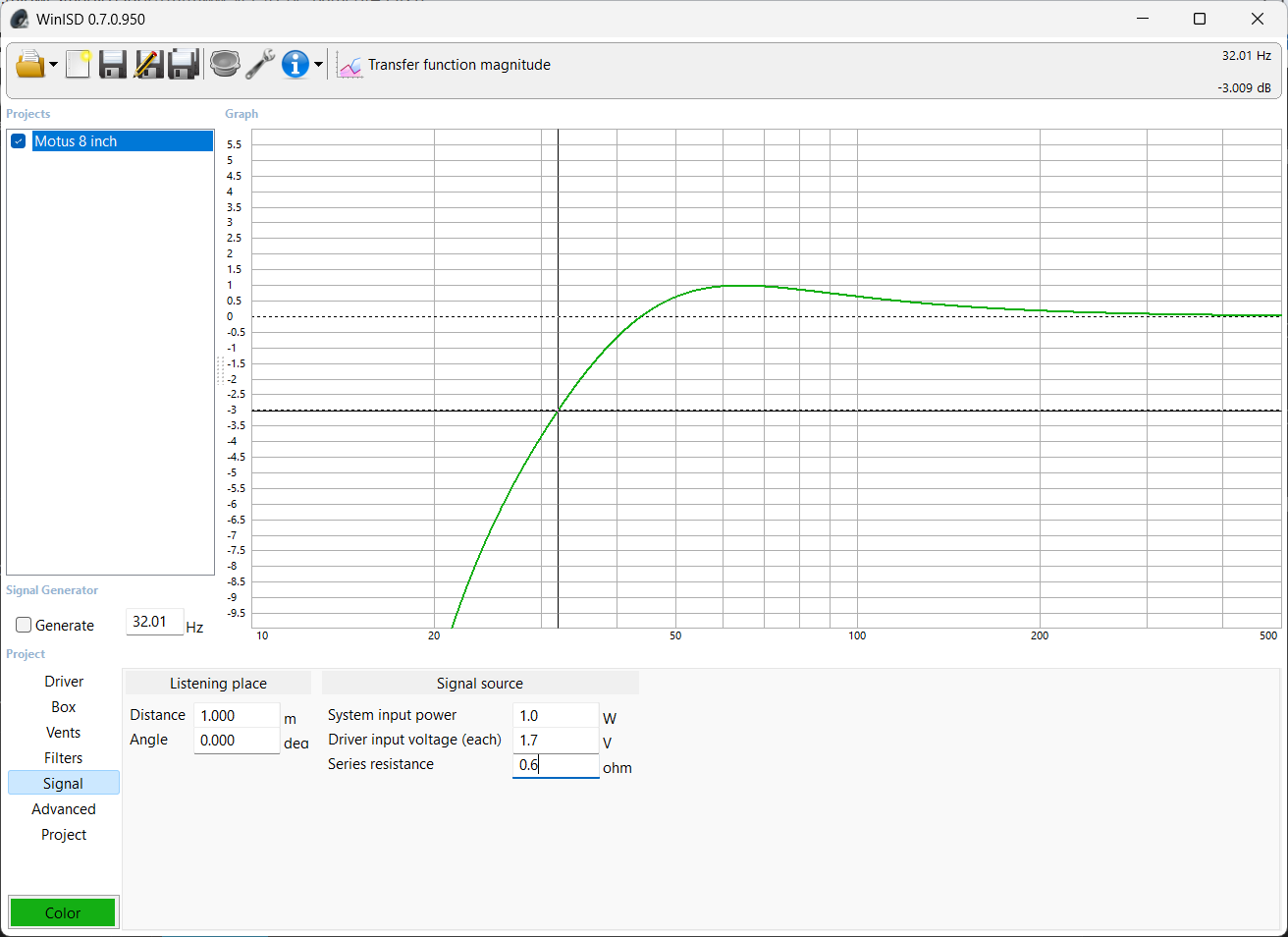
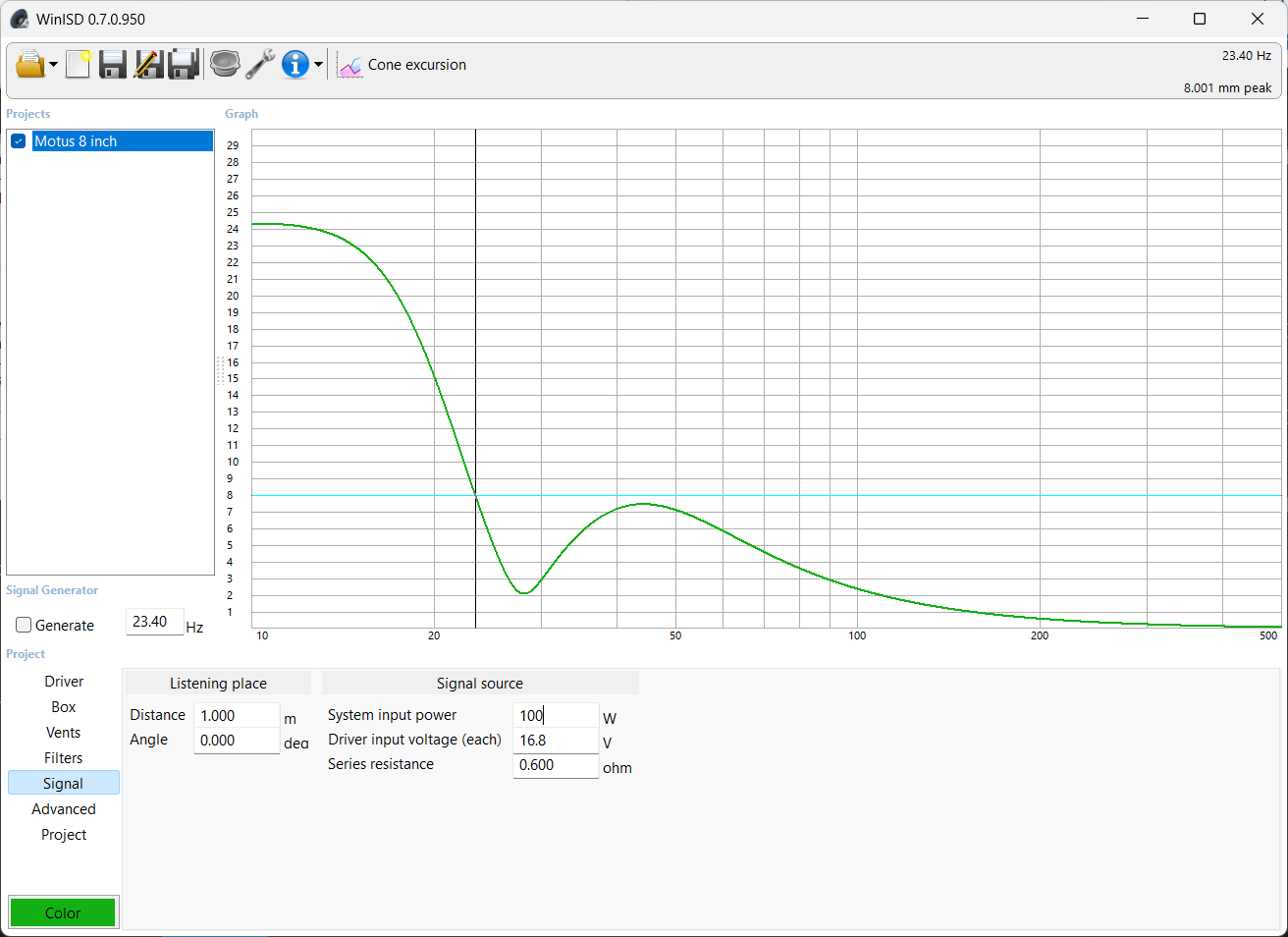
The bottom line is that yes, speaker parameters vary by quite a bit and there are physical reasons for why this is. If you didn’t see that much variation from unit to unit, or from batch to batch, then congratulations, you’re getting very lucky and your vendors are being careful. But often when the fundamental parameters shift, the derived parameters shift in complementary ways that result in very similar predicted acoustic response, so the impact to measured performance of the speaker is small. The best way to understand the severity of variation is determine how many dB of gain/loss your design will experience based on an enclosure simulation using the parameters of each unit, then overlaying those SPL curves instead of the impedance curve.
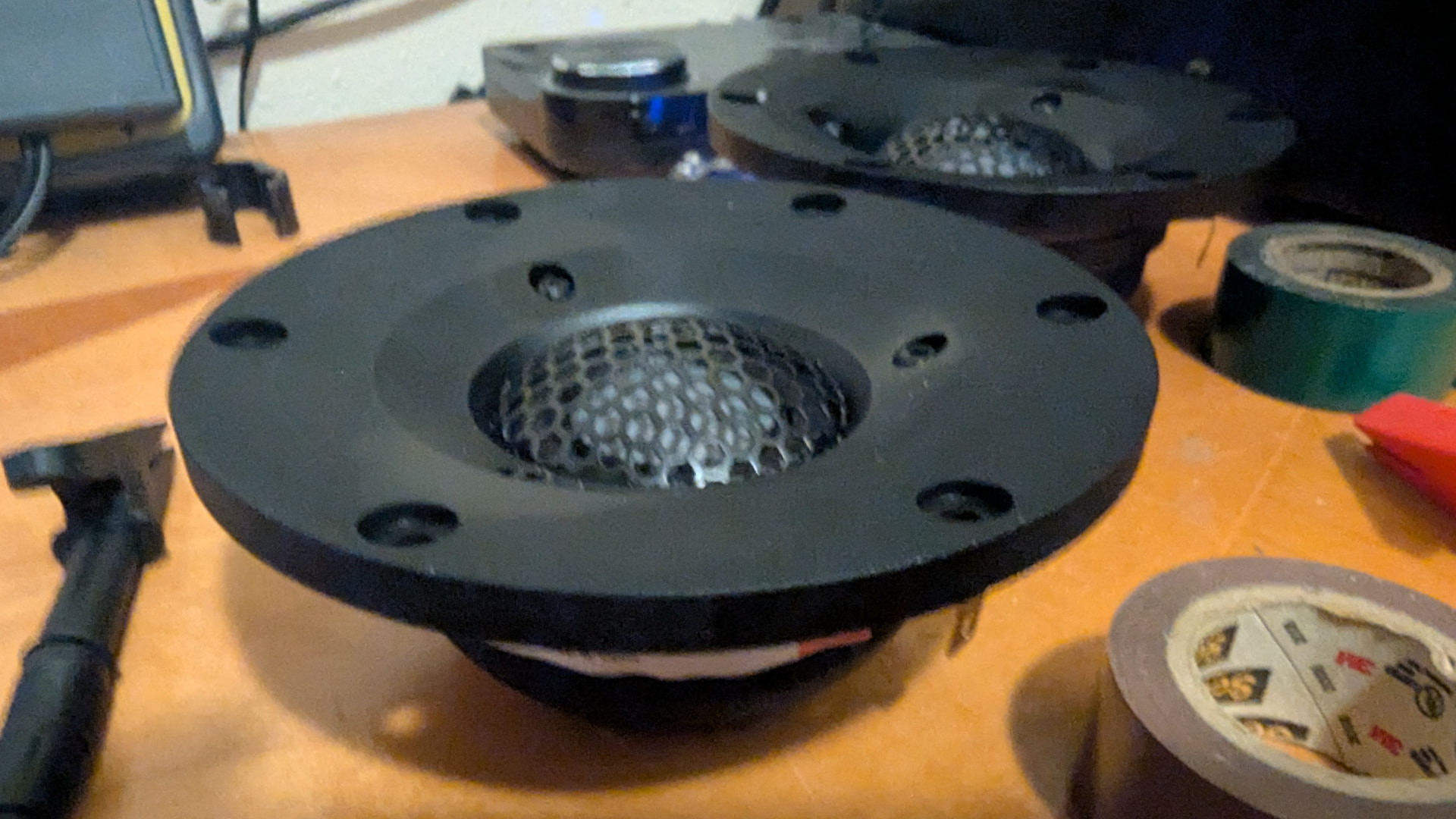
I ordered a pair of the $80 beryllium CB25ND. Another 10 days and I’ll find out how they sound. Ticked several boxes for me - high-end “multiple Neo magnet slugs”, “apparent” BE/CU diaphragm - cons: “no 37Khz breakup like true BE tweeters (I’ll tell my dog)
Also looked closer at the MOTUS 5.5 inch mid woofer. Little monster in a 10L box.
Funny you said BeCu tweeter and 5.5” Motus. Psycoacoustics and I collaborated on a project with the TB BeCu 25-1743 tweeter called Prazise about 10 years ago now. I think we used 10 or 15 ltrs for the box volume, but the suspension is really compliant to where a vented box might want a highpass. I can look it up when I get home if you’d like. Xover was LR2 alignment, but slope was 6dB through the xover and 3rd after. A very rare combo of drivers.