That almost sounds dirty! 
2 Likes
Not to derail thread, but had to scroll up to see what reply was too, Eggguy’s symmetrical, oops. For a moment I tried to figure how to relates to JR’s comment above about ‘…differences channel to channel…few db’, and while not my thing, it made me think 
Though am curious about the center point of the tweet notch - heard things about always something funky to deal with on waveguide effects.
Me too. @jr-mac can you post the simmed tweeter response with and without the notch so we can see the issue you were addressing?
The raw responce on the data sheet has a big rise 8-900hz. I have not simmed it but assume that the LCR compensates for the hump and lets the driver behave more like a textbook driver with a textbook rolloff.
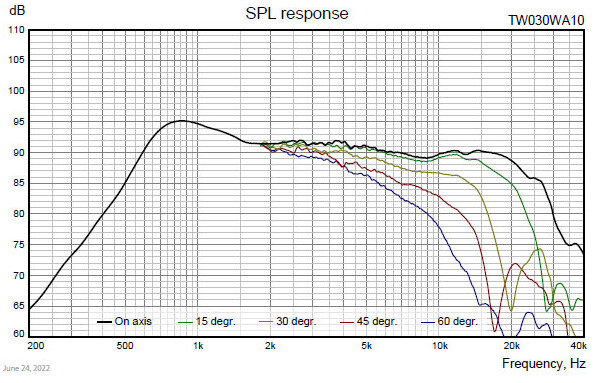
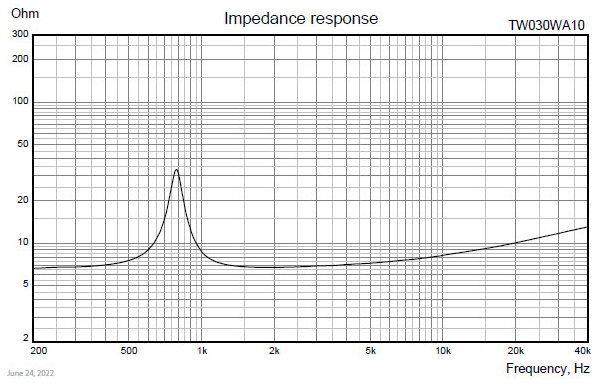
If I were to wager a guess, the notch is for the Fs being high in magnitude and underdamped. This means the FR rise in that range 800-900 is likely resulting from the z magnitude, and getting the rolloff to comply is futile without suppression.
Ahhh…that is the part I was missing. I was just thinking, why not just throw more components at it.
Yep, passive filtering is relative to impedance. From what I can tell the sensitivity to impedance shoots up closer to the knee point. Try to roll off too close to a large magnitude resonance peak and it will take the response through a rollercoaster ride.
Sorry I meant to say null, reverse null. Rookie mistake.
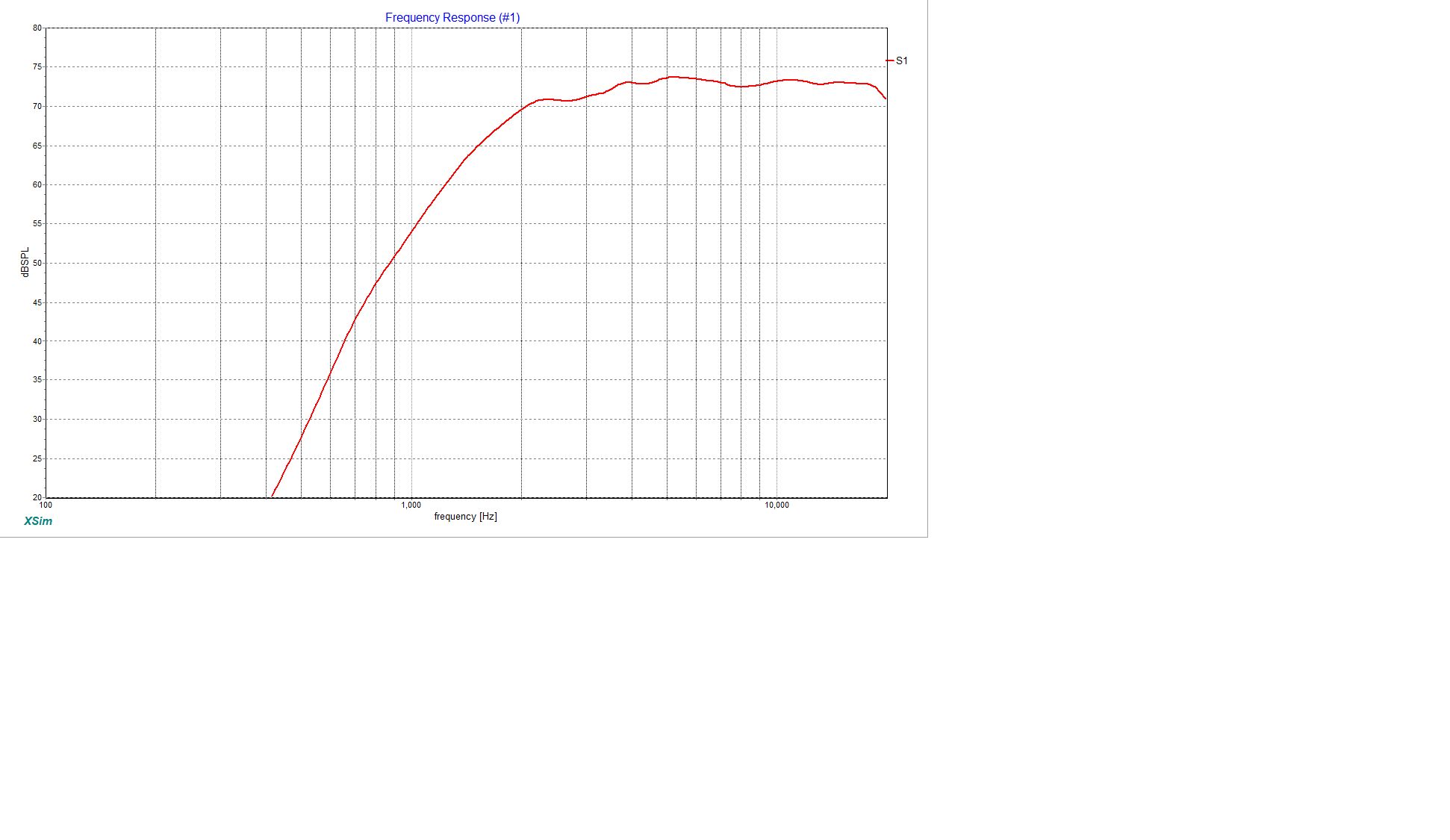
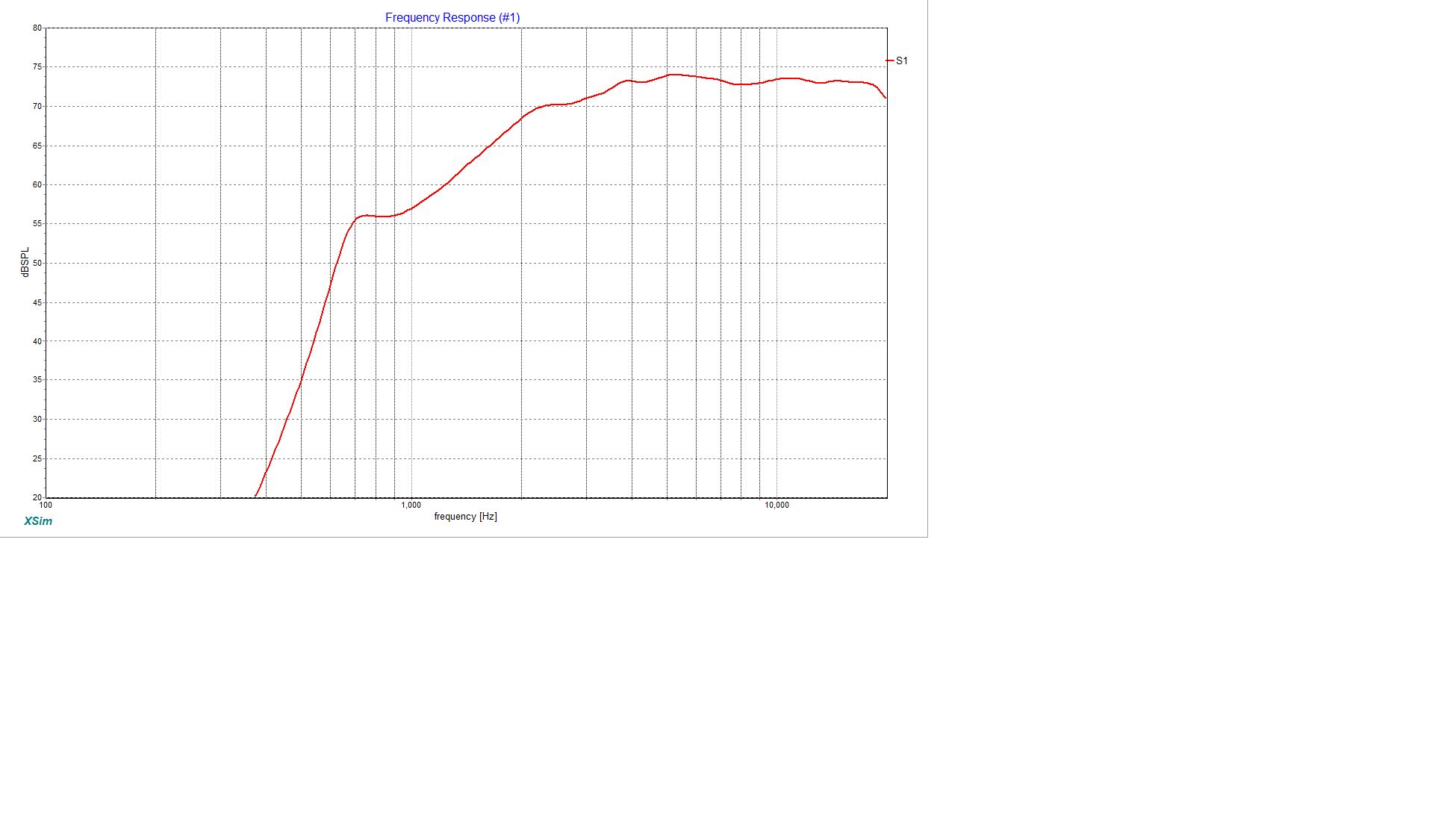
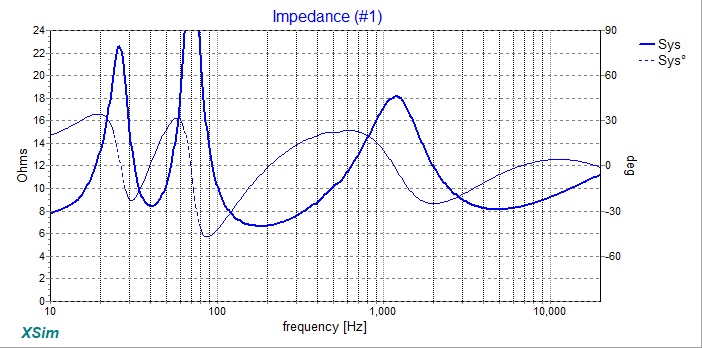
That’s interesting. The difference is quite striking, the LCR made the roll-off quite smooth.
What made you put in the LCR, was it just the roll-off or somehting in the impedance that made you go - huh, a LCR would be nice here!
Just experience at this point, Ani.
1 Like
Thanks, still lots to learn! Would have looked at the roll-off and asid good enough and that would have been the end of it, though that knee would have pushed up the woofer response and the overall response with a bump.
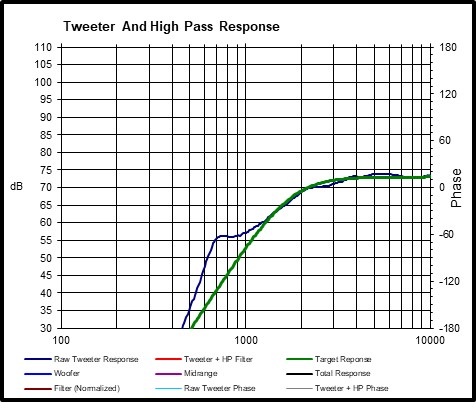
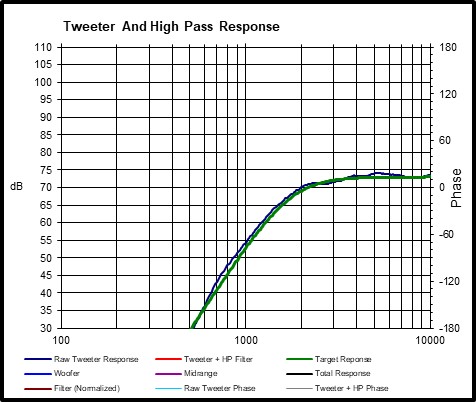
Ani - I don’t know if you (or JR) design to specific targets slopes, but for giggles let’s assume JR was targeting for a 4th order LR response at 1750 Hz. The 1st graph shows the LR target vs the response without the LCR. The 2nd graph shows the LR response vs the response with the LCR. Just about a perfect match. That hump at Fs is saying flatten me out. 
2 Likes
I’ve had to use a LRC notch on midranges’ impedance peaks before for the exact same reason. But not a tweeter yet. The XT25 probably would have benefitted from it but I knocked it down far enough with just a parallel resistor I didn’t feel it was totally necessary to go further.
Thanks Craig. I do start out with a target curve, but then it falls off somewhere down the line. Still not there where I understand all the interactions to make the response behave as I would like it to!
I’ve built a bunch of speakers with super cheap buyout drivers, $0.60 Madisound caps, and zero finishes on the cabinets just to learn how to measure speakers and design crossovers. A majority of those builds never made it to any DIY event or were ever posted on any forum. That said everyone has a different path and goals. My point is sometimes the little “Ah ha!” moments are better than the project’s end results.
5 Likes
This  is a beautiful statement and one I completely relate too . . . happens a lot and I get a shot of accomplishment from the experience.
Additionally, I can’t think of many tweeters who like any amount of energy sent to their resonance. At 700 hz that response shows more than a 10 db reduction.
Decided to name these “Maidin mhaith” (approximately pronounced ‘mayjin wah’) which is Irish for Good Morning. As good a name as any, I reckon.