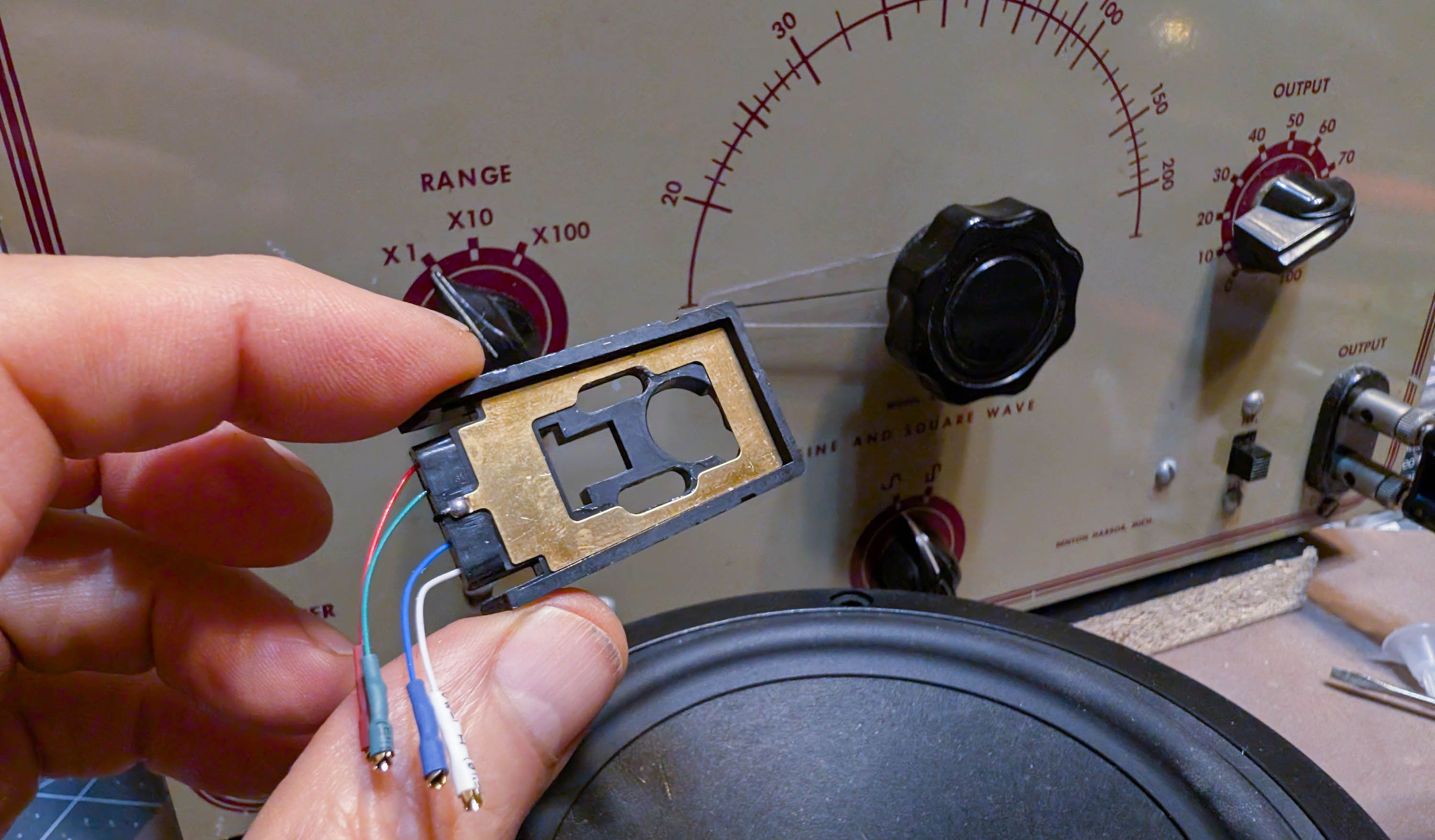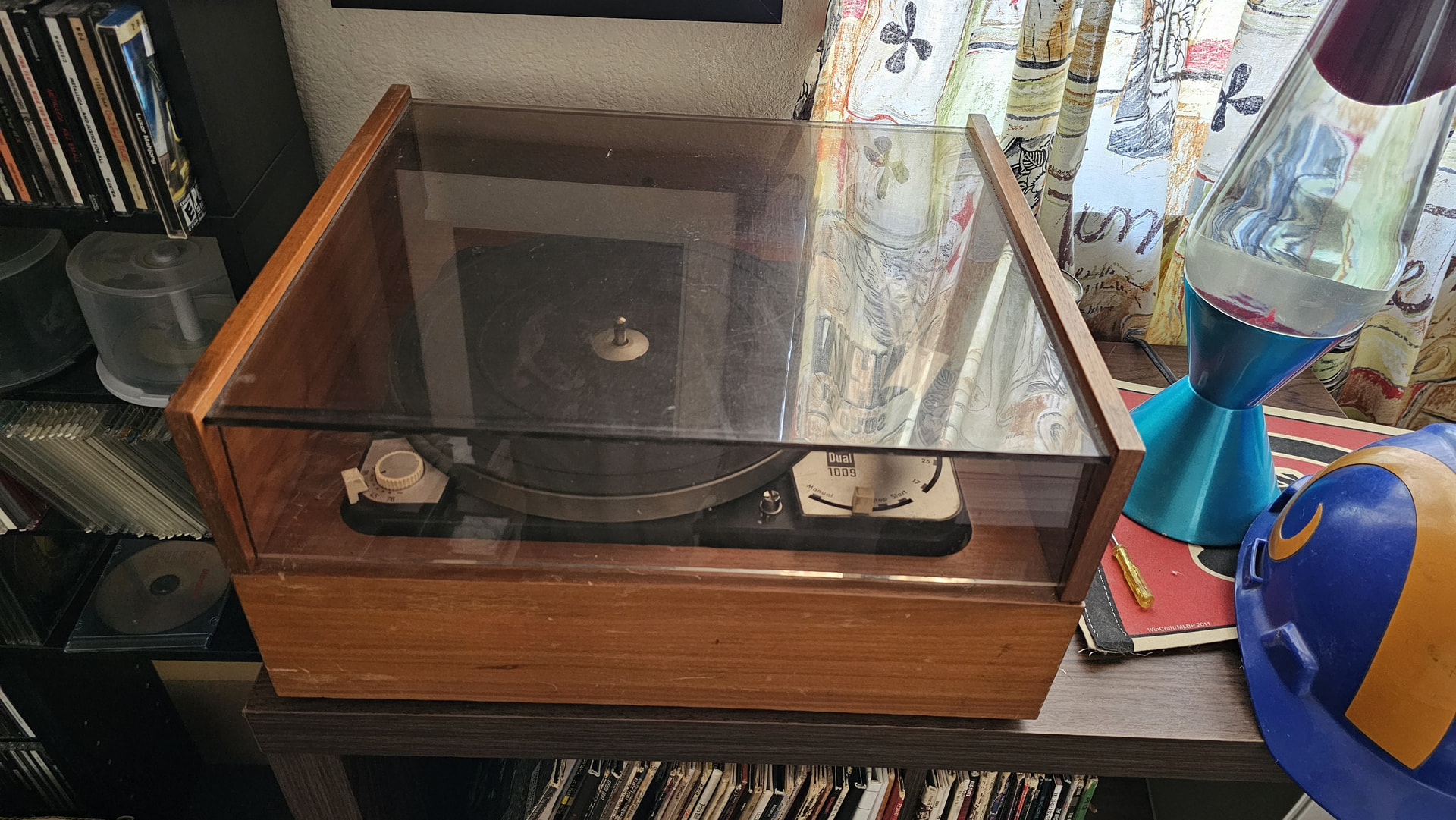
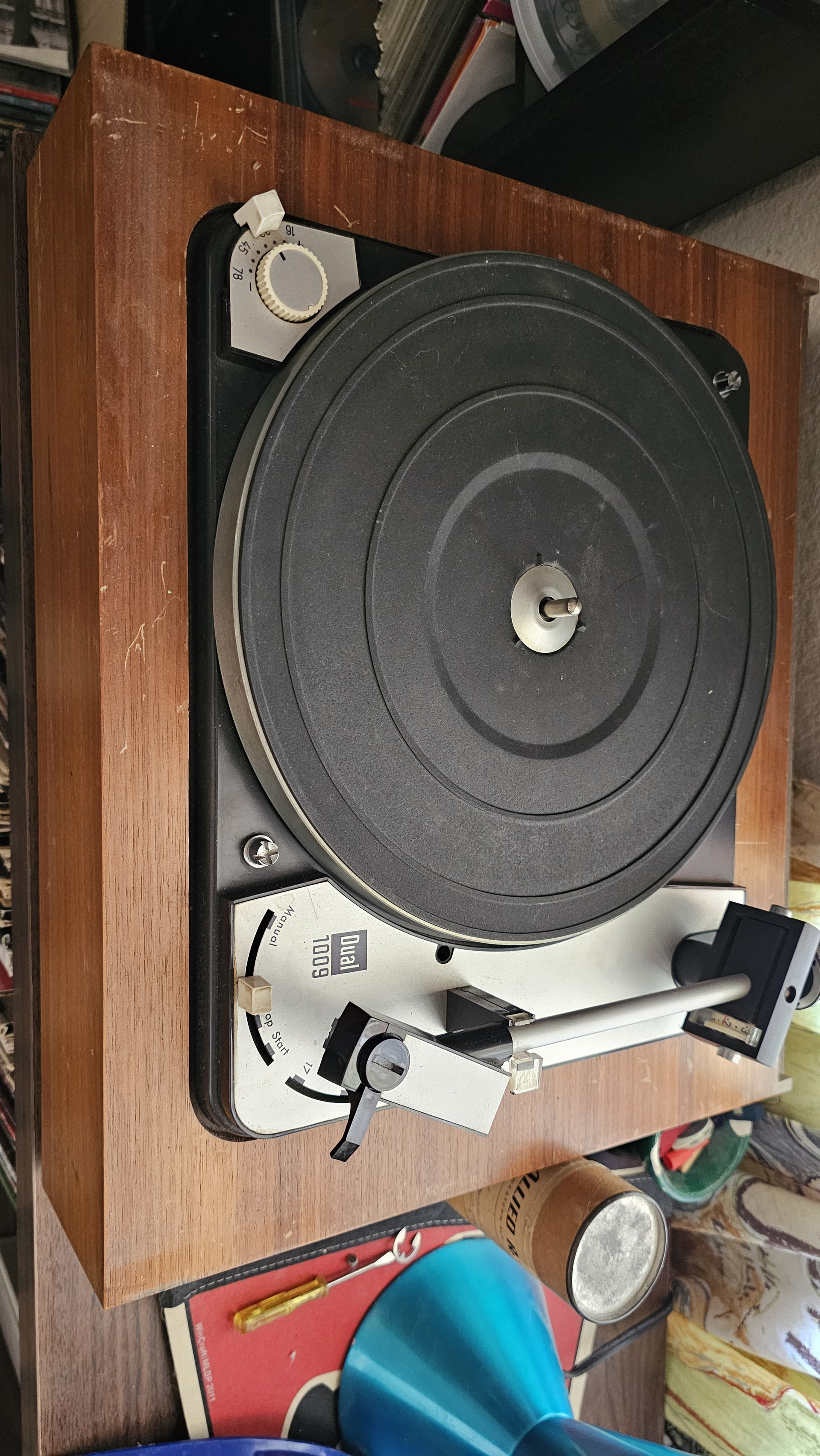
Turns out mine is actually a 1009. Don’t know why I said 1010, aside from my first real receiver being a Sansui 1010. But 100% original, aside from the cartridge. And maybe the tonearm, as my Dad says that I broke the hell out of it when I was two. Cannot (will not) confirm nor deny that assertion.
3 Likes
For anyone interested, here is a link to the dual-reference website, which shows complete listings, specs, dates, etc., of all Dual turntables manufactured over the years. The 1019 was sold by Dual from 1965 to 1971. The 1009 was sold from 1964-66. These two models have very similar specs.
1 Like
Funny, I’ve only knew of Dual as entry level Chinese junk. Which a lot of the old great brands are now that the names have been bought up.
yep, same. I had realy only heard of it in the car audio market and was always synonymous with Pyle to me.
1 Like
Looking at the edge of that idler, it looks a little crazed. You could try something like MG Chemicals Rubber Renue. Amazon even carries it.
My dad had one of those Dual turntables for 30+ years, it was excellent and durable, considering he never bothered to service it. I can’t recall the model, but the cartridge was a Shure. It sounded much better than the cheap Garrard with which I started a proper system.
The really big draw for Duals back in the day was they were an auto-changer without that ghastly arm that slapped down over your records. They had a seriously innovative stack spindle that had three arms to hold the records off of the platter, and when the first record side ended, those arms would retract into the spindle *just* long enough for the next record to drop, after the tonearm moved out of the way, and then extend again to hold the rest of the records up. Again, with no other means of support. Brilliant engineering, especially for the time. I have the magic spindle, but it no longer works. But I saw it work when I was a kid, and it was amazing.
2 Likes
Dad’s Dual had the auto-change spindle as a plug in part, which we used once or twice. The turntable shook like mad when the records dropped, which worried us.
Double LPs and multiple sets were sometimes pressed to allow for an auto change turntable, so you’d have side one backed with side four and two with three, i.e. stack the second on top of the first, it played S1 and then the second disc with S2 would drop on top.
My “Woodstock” LP set had sides one and six, three and four, and two and five on the discs.
This practice had at least one side effect at the beginning of the CD age, when Jimi Hendrix’ “Electric Ladyland” was made with sides one and four on the first CD! Doh…
2 Likes
Pyle, another great brand now just a name stuck on junk.
Back when I started in the car audio scene, Pyle Drivers were right there with the other top brands like Kicker, MTX, Fosgate, ect., but were affordable.
They were also an American made product and part of the Harmon group.
The Poly, Pounder, and Pro lines were fantastic drivers back in the late 80’s/early 90’s.
1 Like
I have a copy of The Allman Brothers Band “Live at Fillmore East” that is sequenced that way.
1 Like
I’m reasonably sure that Dual has seized their name and reputation back, and are now making very nice (if not as innovative and brilliantly engineered as back in the day) mid-level TTs. In Germany.
1 Like
Well that’s good to hear.
2 Likes
I have a bottle of that stuff. I picked it up at Amazon a couple years ago for reel-to-reel pinch rollers, but have not used it yet. I haven’t been able to find a good tutorial or youtube video on how to use this stuff properly and safely. I know that you need to wear gloves/respirator and work in a well ventilated area.
I also need to run out tomorrow and pick up a bottle of “3 in 1” oil designed for electric motor bearings. The stuff that I have on hand is the multi-purpose stuff that comes in the black & white bottle. I need to get the stuff that comes in the blue and white bottle. The motor shafts and sleeves look very good with no scoring, but they are very dry and need lubrication.
1 Like