I’ve been on a journey with Class-D amplification. It’s basically everywhere by this point but I remember an especially good experience with some Hypex NC400 DIY amp monoblocks, so when it was time to think about bigger speakers in the future, I decided that Class-D would be my direction, and I bought a pair of Hypex NCx500 monoblock amplifiers for my main system.
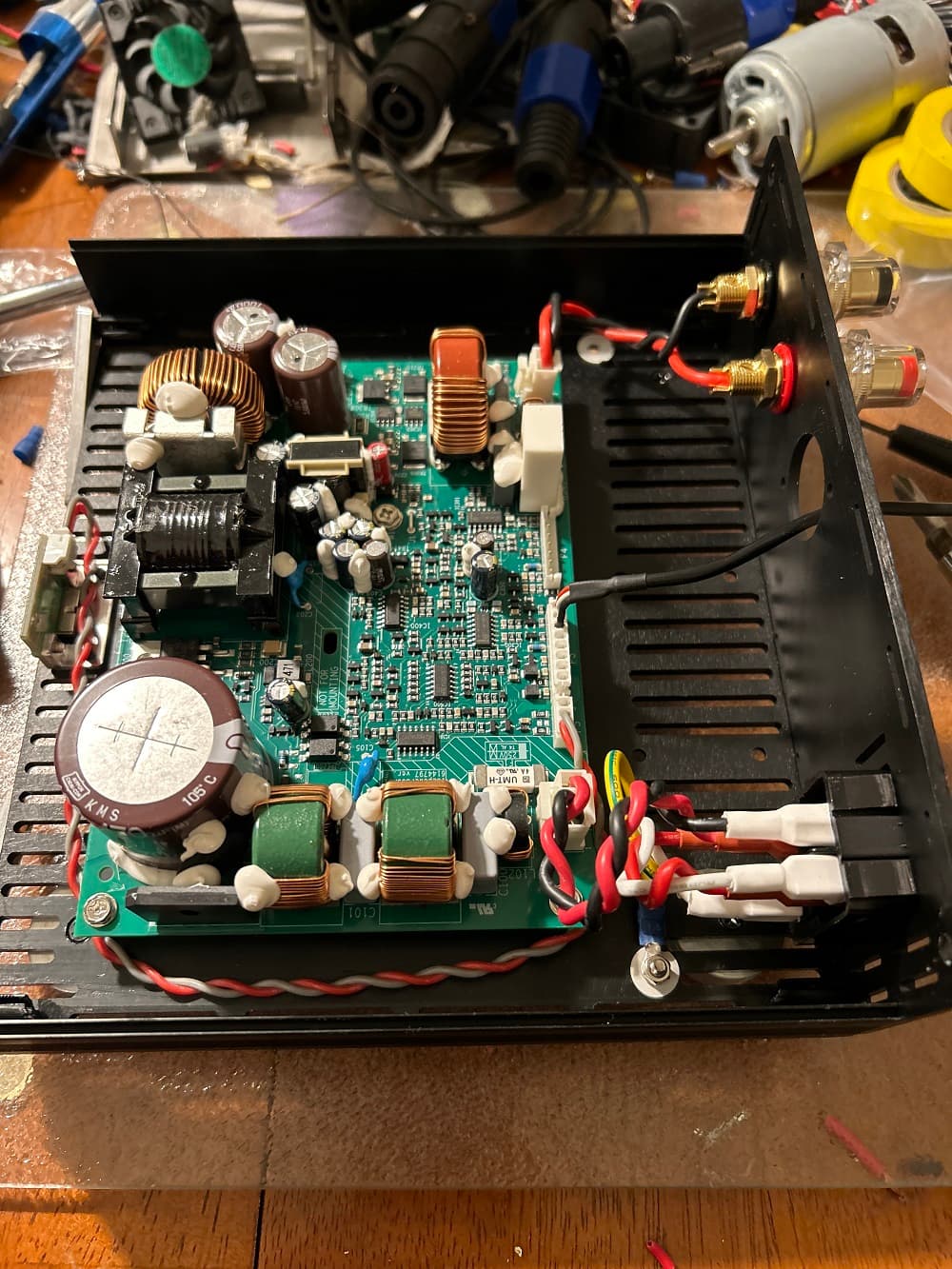
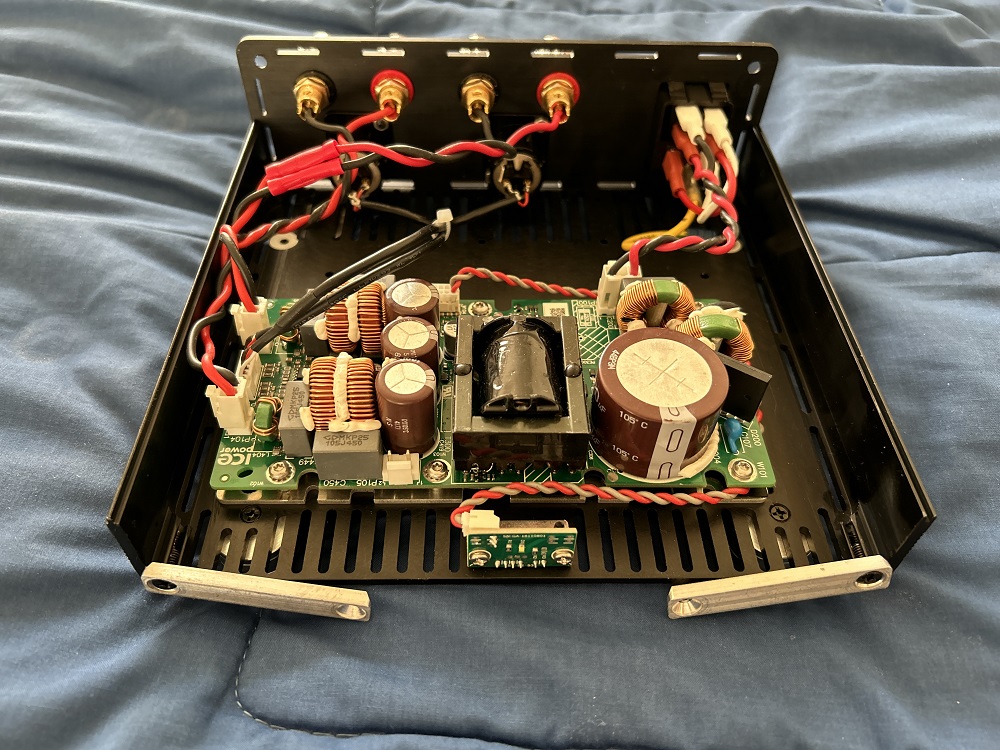
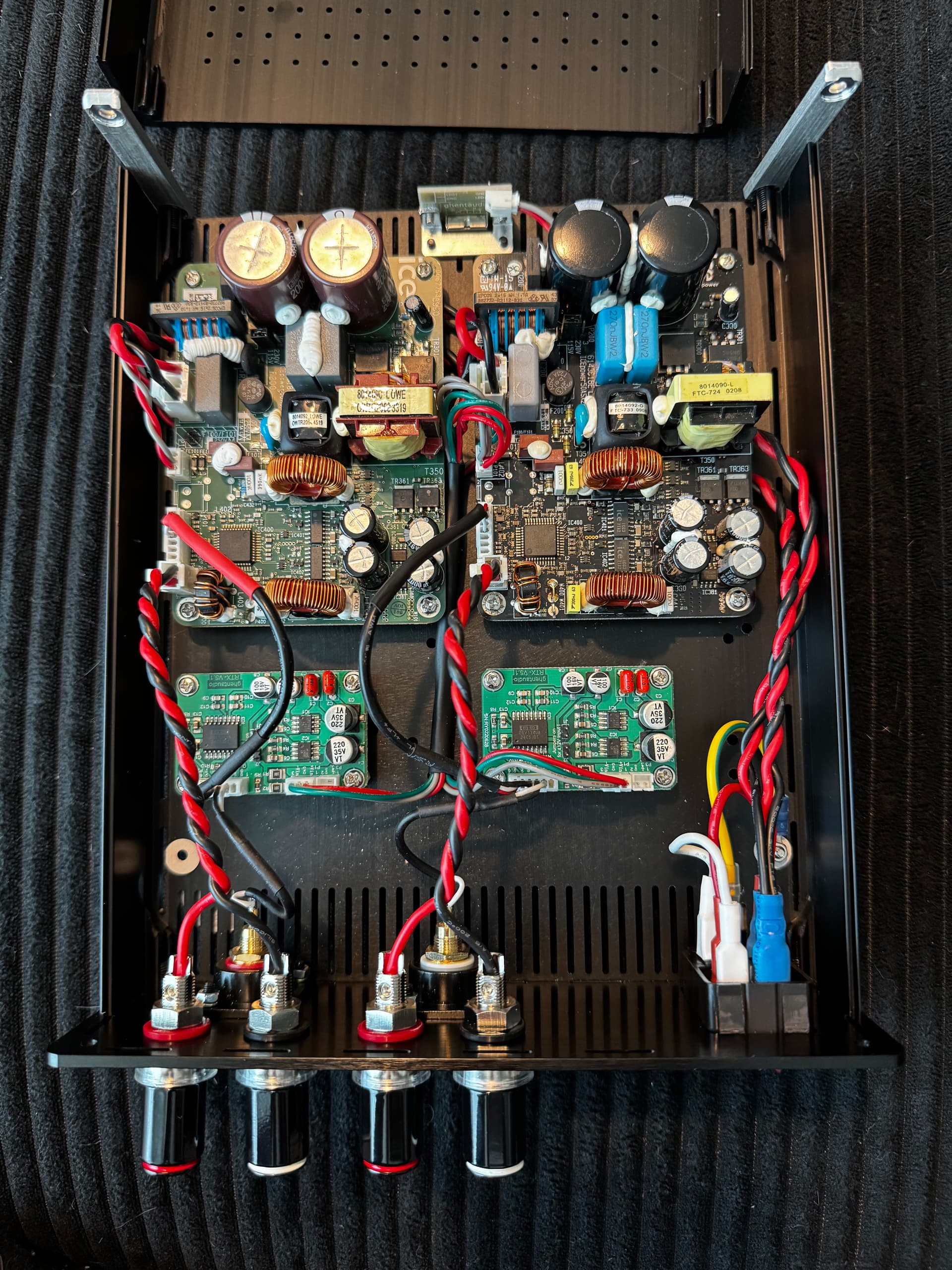
In 2014, I built an ICEpower 50ASX2 amp with integrated volume control and I’ve been using that at my desk with the Neutrino speakers and a USB DAC for most of the time since then, and in a previous job I designed a formed metal enclosure for the Icepower 300ASC (now 300AS1 model) so I decided to also try building a pair of the 300AS1 modules to upgrade my downstairs audio system as well. At the time of buying the 300AS1 modules, I also bought the new 200AS2 module that uses TI TPA3255 chip instead of a discrete output stage. All of these I put into Ghent Audio extruded aluminum cases, which are high-quality passively cooled housing solutions that feel solid and robust.
I was pretty happy with the 300AS1 modules driving my Iguanas (green tower speakers), but I was a little lukewarm on the way the Hypex NCx500 monos interacted with the overdamped sound of my Thiel CS1.7 speakers, which are bass-light, so I tried the 200AS2 driving them and found that the 200AS2 was the better match which I believe is due to its lower damping factor of 30, compared to the Hypex damping factor of over 300. I am keeping the Hypex monos but they will be dedicated to a different future speaker with less damped bottom end. The synergy of the 200AS2’s lower damping factor with the more damped bass of the CS1.7 speakers makes me think that the Thiels were designed to work best with tube amplification having output transformers, even though their impedance is lowish - between 3-4 ohms - but the 200AS2 or a different TPA3255 based Class-D amp can fill a similar role in an audio system without the drawbacks of tubes, and it has no problem with the low impedance of the Thiels.
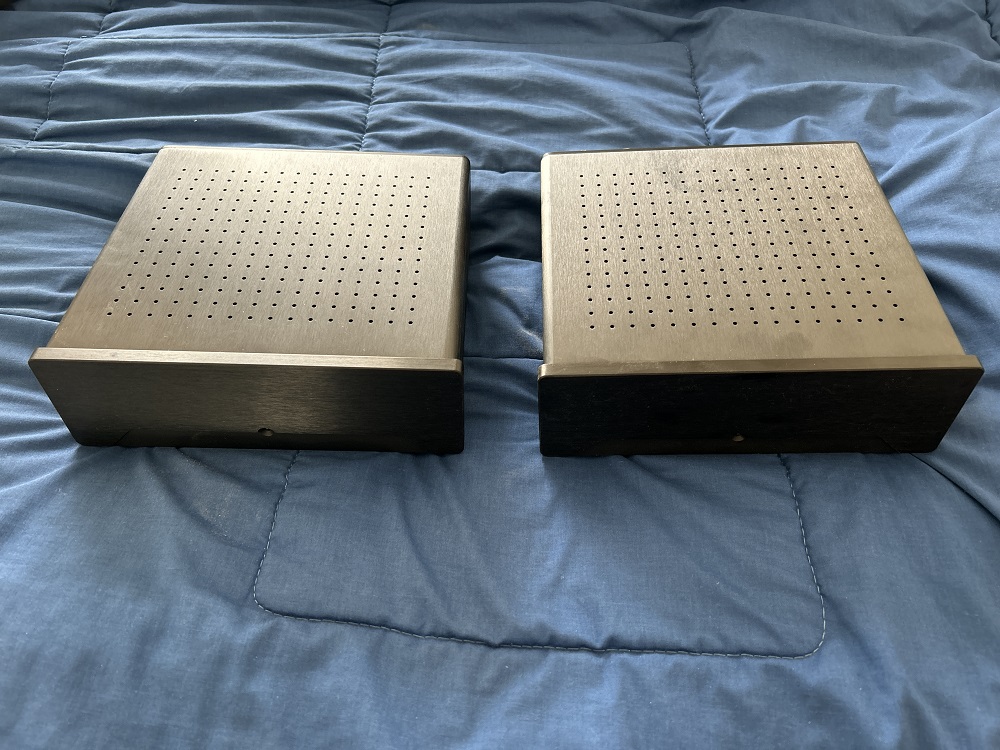
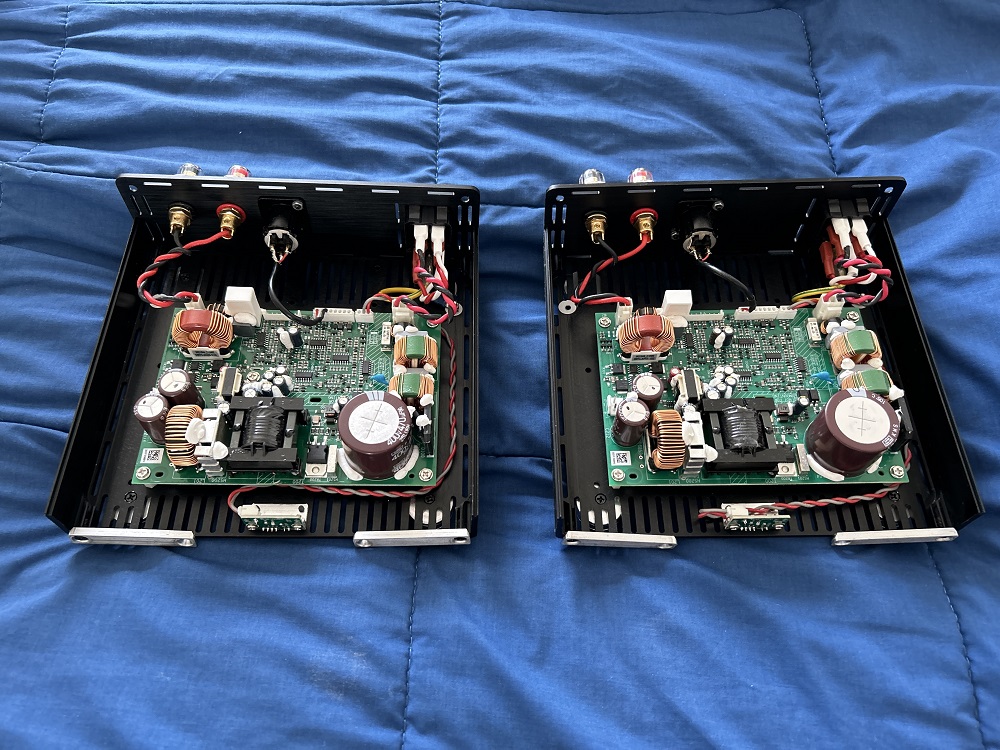
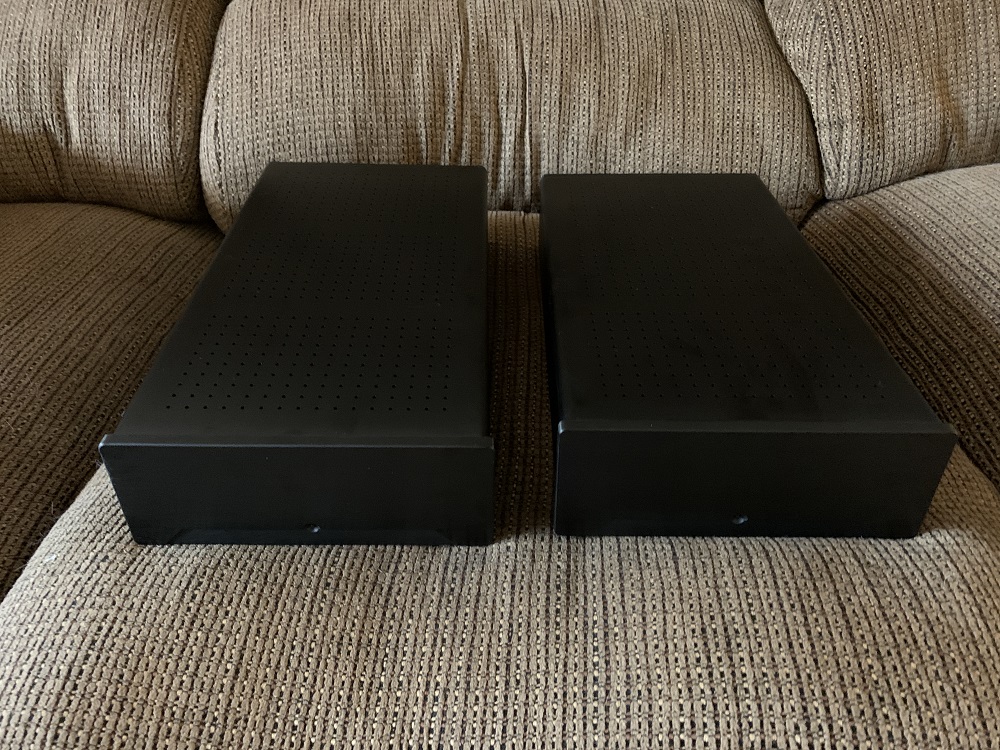
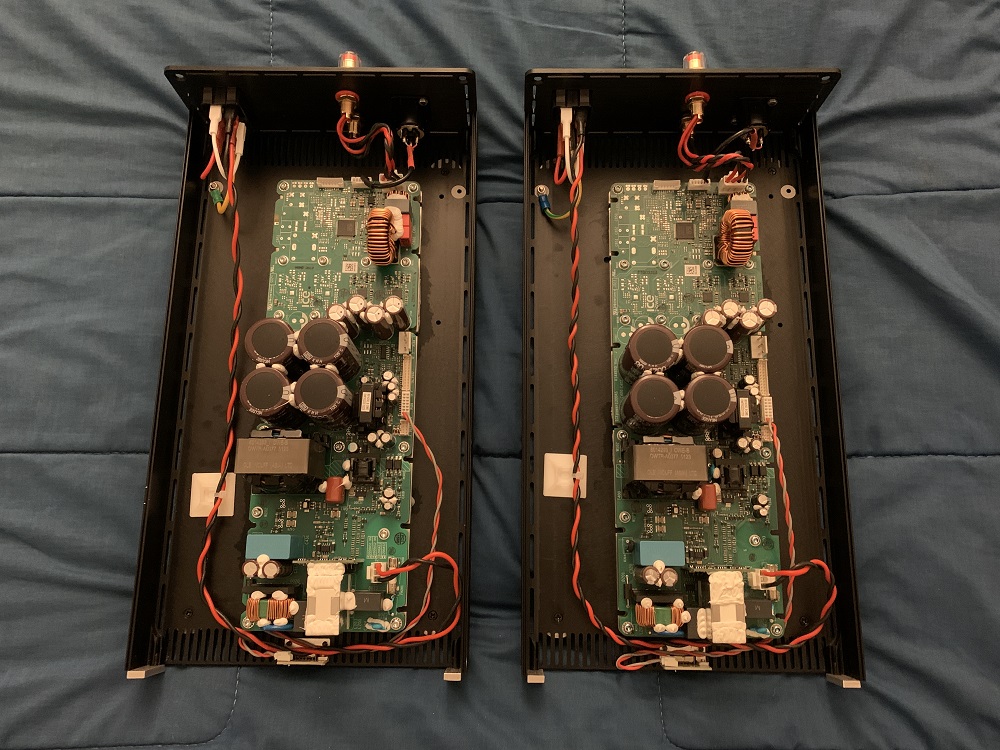
This year, after reading some good reviews of amplifiers using the ICEPower 1200AS1/AS2 modules, I decided to build a new pair of amps using the 1200AS1 module. For under $1200, the promise of a pair of endgame amps with bottomless power reserves swayed me, and I bought a couple of the 1200AS1 modules at PE’s sale during MWAF. Combined with the Ghent Audio cases, which are among the largest version Ghent sells, these massive modules went together without a lot of fuss, and they sound just as transparent as you could want. They don’t ask compromises, they just play music. While not as state of the art as Hypex/Purifi modules, they seem to make no audible concessions to noise or coloration, so they are as good as they need to be. They might even have more three-dimensionality than my Hypex amps.
Assembling amp modules into a chassis is not the heaviest DIY lift, and the value proposition is extremely good. As long as you are careful to wire the AC receptacle and switch correctly, and observe the right pinout of the XLR connector (Pin-1 positive), the rest of it is self-explanatory. Twisting the lead wires is an easy way to keep the internal layout clear and has the added benefit of reducing coupling between AC, output, and signal wires which can only positively affect performance.
Based on my experience with assembling these amp modules into several stereo and mono units, I can highly recommend this path to other DIYers. The pricing of modules on PE and other online sources makes high-quality amplification very accessible.