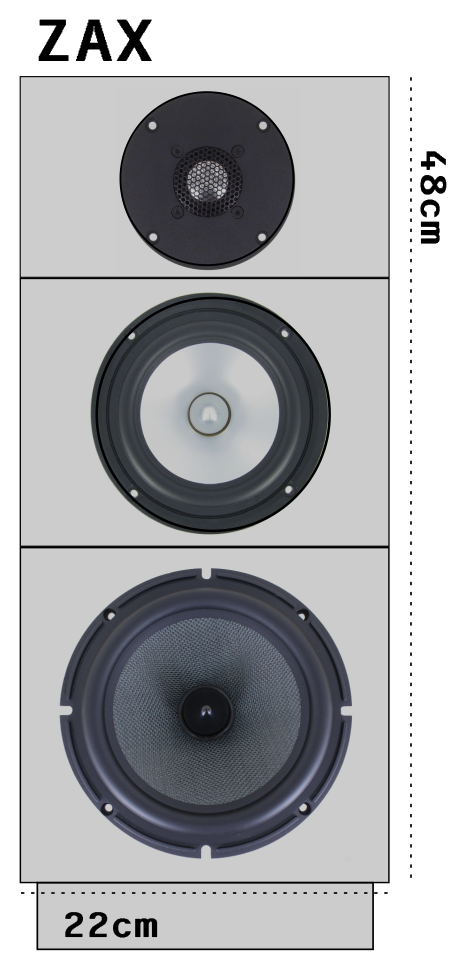
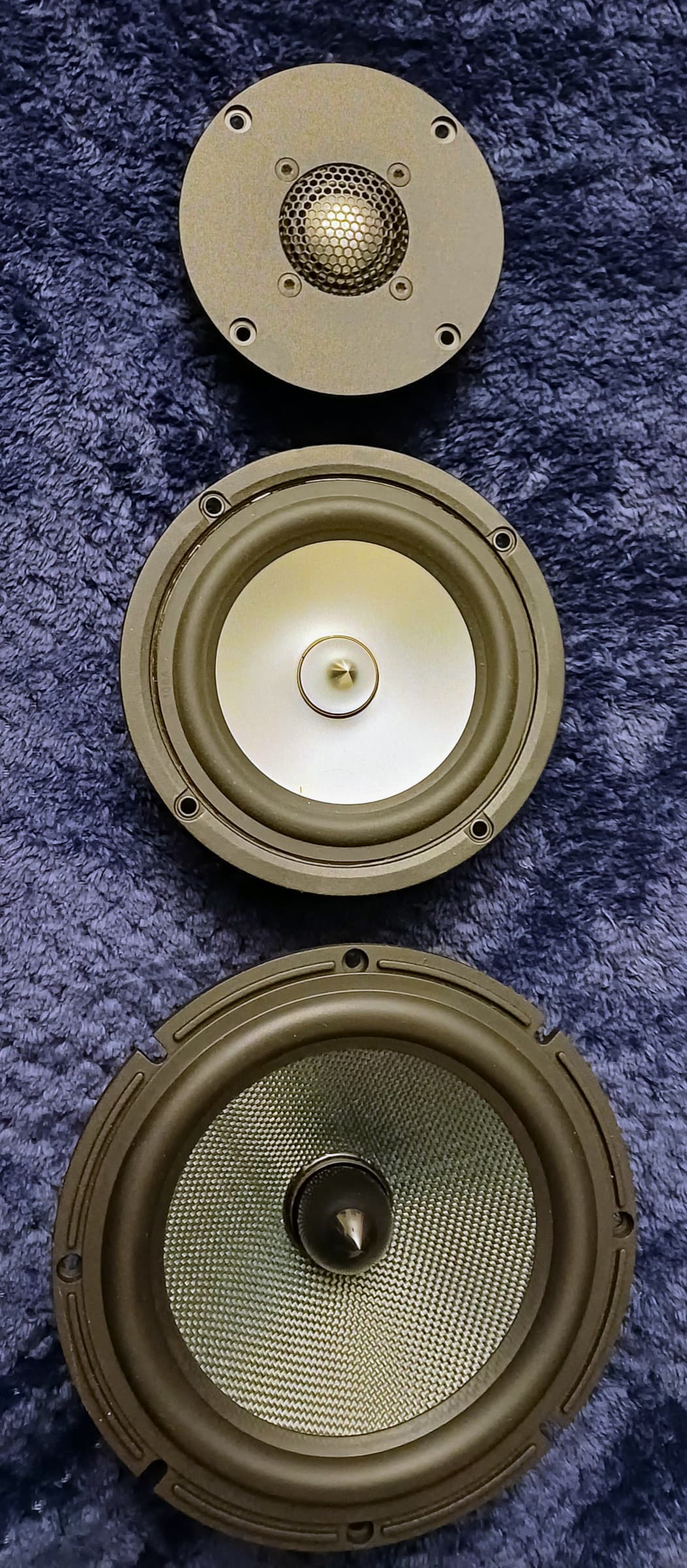
To round out that driver, in the ‘high performance to price style’ Zaph was known for: The venerable SEAS 27TBFCG metal dome tweeter, and the HiVi L6-4R. The former was also chosen as a visual match to the ZA14, and the latter because it was at a great sale price at Madisound.
It’ll be a sealed alignment, rolling off the bottom end at roughly 85 Hz, 2nd order.
I’m doing the crossover model now, and the 3d design for printing the enclosure - a sand-filled double-walled PLA design.
More to come, and given no large issues, I’ll have them at Iowa this year to demo.
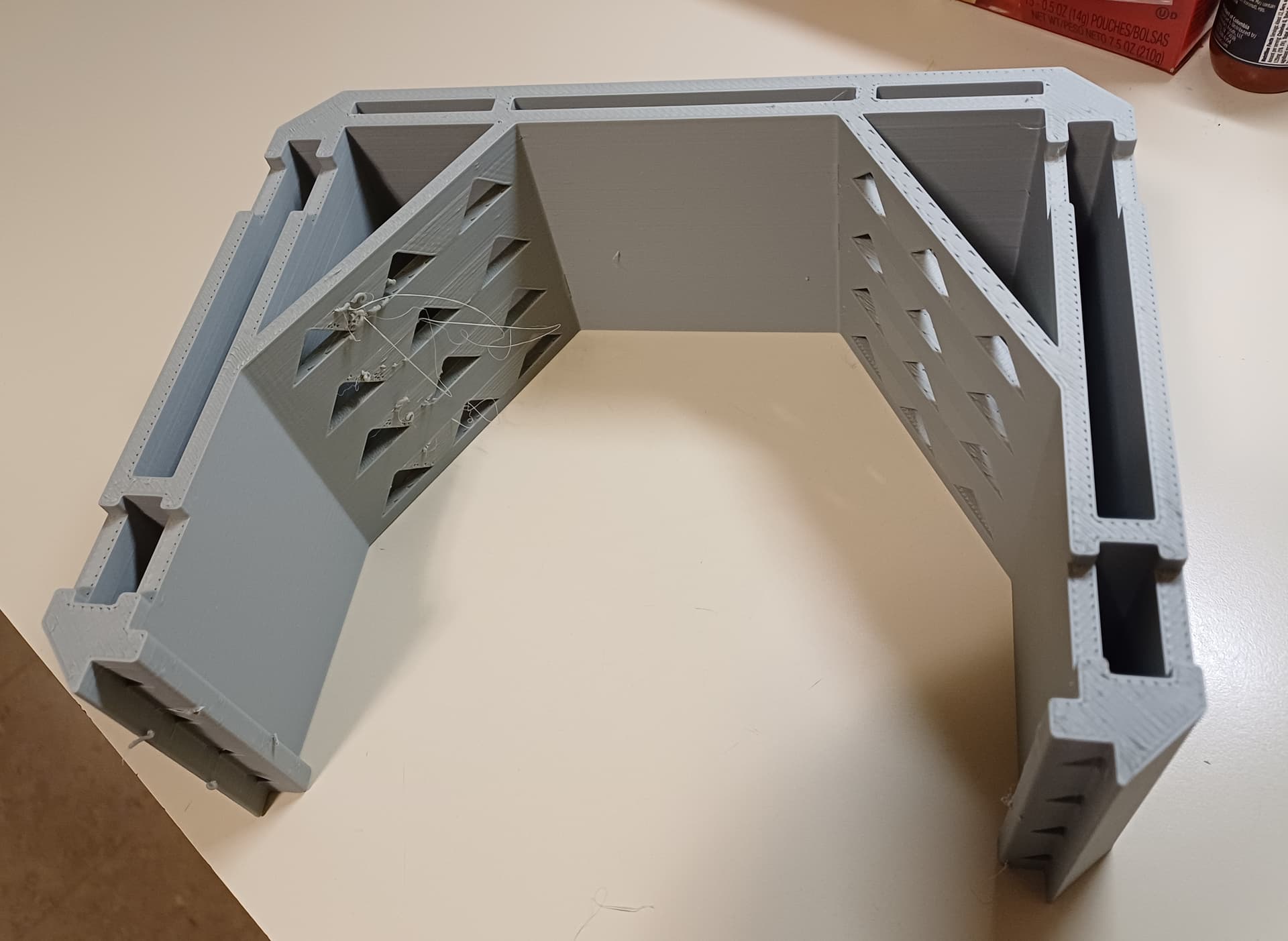
What’s the plan for the double wall - is it getting filled in? Also the 45deg wall at the back, but seems to be porous - is that bracing or something else?
The total height of this is 48cm, and I’m printing in much smaller sections that will stack. A lot of that comes from the fact that the 48cm full frame is almost exactly 3 kg, which is a lot of plastic.
As you point out, tall prints like this are prone to warping, so with some trial and error with my printers I can get 2-12 cm of height in one print before it is an issue.
The small notches on the side walls at the top of each section are for a small alignment piece that glues in to makes stacking these easier.
I’ve had success with super glue, but without an activator, it takes forever to bond and requires 24+ hours to cure.
I watched a couple of videos testing various adhesives for PLA, and the best results were: 3d Gloop and JB Weld 2-part epoxy for plastic. The former is kind of pricey, so I’m going to try the latter first.
I left the print as is with no cleanup to display common artifacts. The PLA+ I was using showed barely any, but even after dialing in the settings for this High Speed PLA Matte type, it’s a little gnarly.
That’s the 8cm tall frame piece, and it takes ~8 hours to print at 21 mm3/s max volumetric flow.
You do you, but I have fully converted to PETG. I don’t understand why we should deal with all the PLA and PLA like alternitives. Other than lower temps I dont see an advantage.
I can see the strong argument for that, esp. if you are going to quickly use a roll so you don’t need to worry about the hygroscopic nature of PETG. I’m just sticking with my comfort zone at the moment.
Hey Ken @KenRhodes , can you please post the advantages/benefits of PETG over at the 3D printing thread so we are not going off-topic on Jason’s build.
I am just starting to dip my toes into 3D print and also using pla/pla+/hyper pla with the exact same settings, mostly cause my creality printer came with a roll of hyper pla and I haven’t ventured into any other types. Knowing the options and what is good for what will be super helpful.
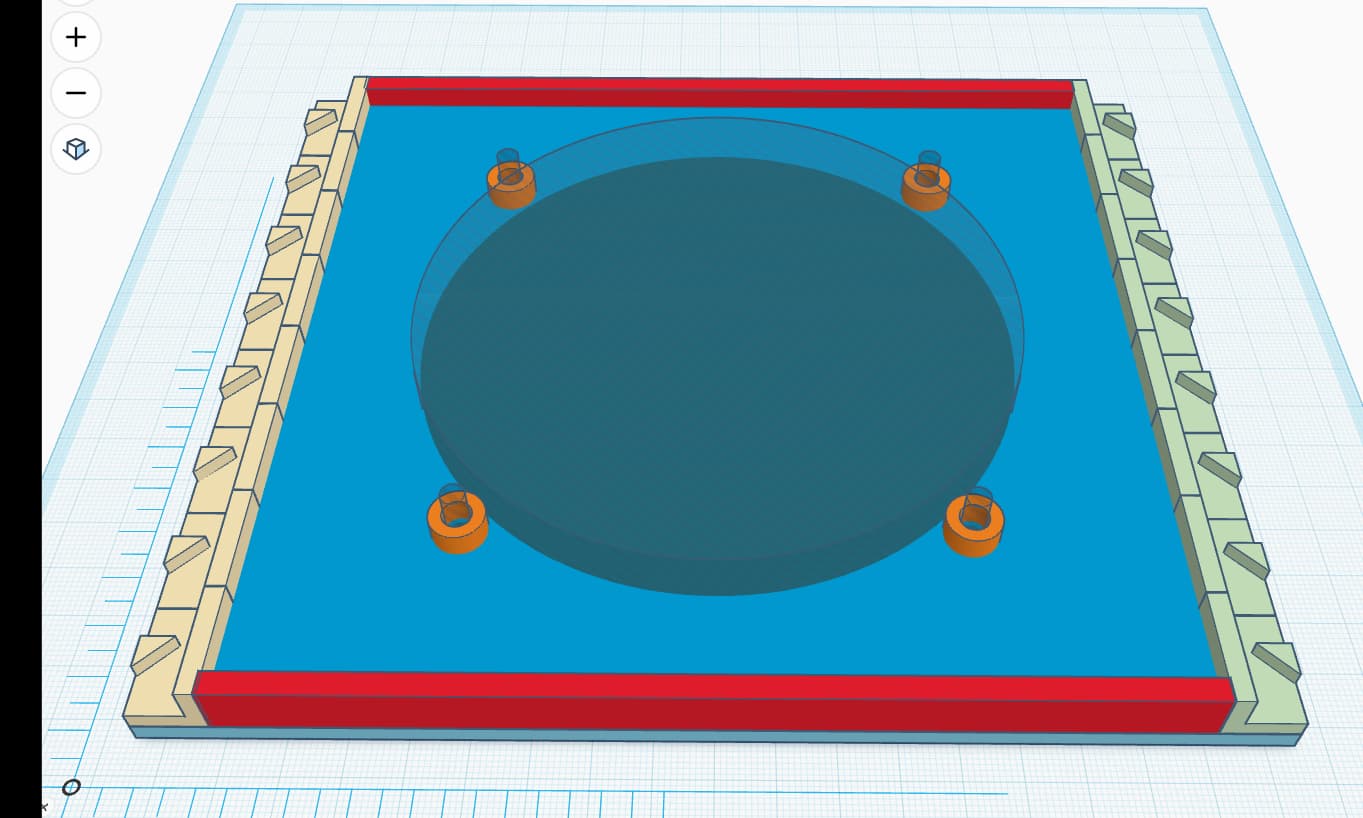
All the frame pieces are printed, so I’m working on the baffles now. These are going to be long prints, because my choice of the triangle alignment holes means I need to use the smaller 0.4mm nozzle to get the accuracy I need there. I think I’ll redesign that feature for the next build. Here is a tinkercad look at the rear of the ZA14W08 baffle segment, 16cm long and 19cm wide: